Why Dallas Is Booming: Transit, Real Estate, and Neighborhoods to Watch

Dallas is experiencing a wave of change that touches transit, real estate, and cultural scenes — all of which make local headlines and shape daily life for residents and visitors. Whether you follow Dallas news closely or are simply curious about what’s driving the city’s momentum, these trends help explain why Dallas remains a hub for growth and lifestyle evolution.
Transit and connectivity: shaping where people live and work
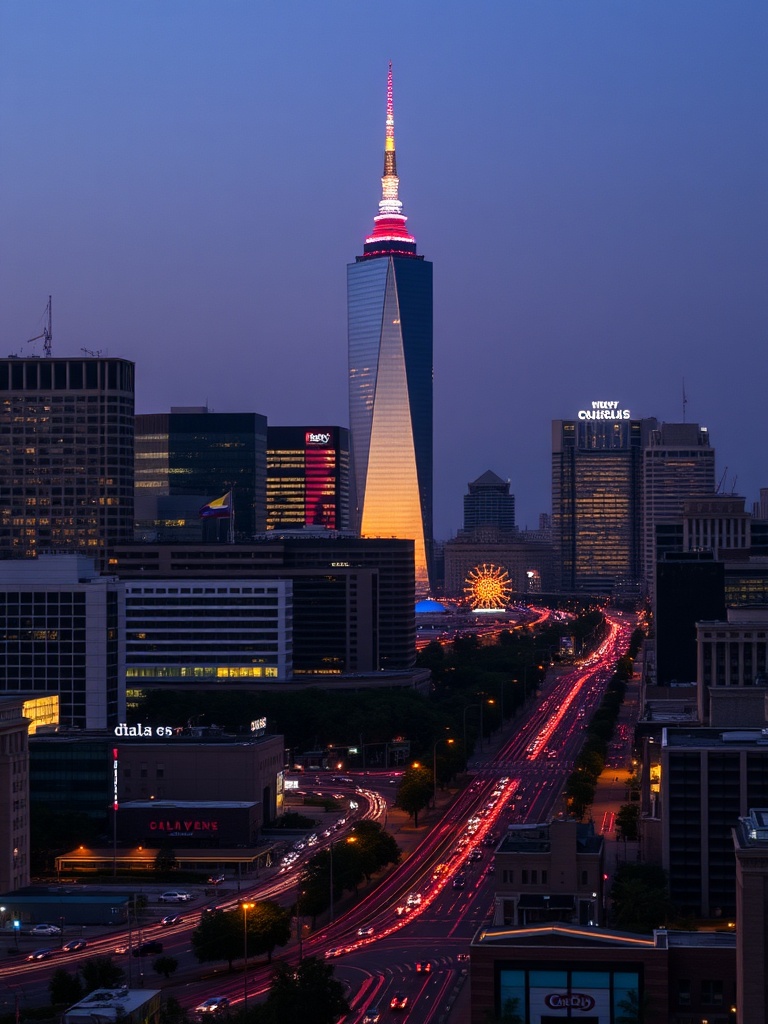
Transportation continues to be a central focus. Expansion of light rail lines, bus rapid transit corridors, and multimodal connections are improving links between downtown, growing neighborhoods, and neighboring suburbs. This increased connectivity is making commutes more flexible and encouraging development near transit hubs. For people balancing hybrid work schedules, proximity to reliable transit now factors heavily into housing decisions.
Real estate: demand meets new supply
The housing market in Dallas reflects a mix of strong demand and targeted new supply. Urban infill projects and mixed-use developments are adding apartments, condos, and retail space in walkable neighborhoods.
At the same time, outer-ring communities and exurbs keep evolving with master-planned neighborhoods and lifestyle amenities. Buyers and renters are weighing walkability, school quality, and commute time more than ever when choosing where to live.
Neighborhoods to watch
Certain pockets of the city are repeatedly featured in Dallas news for their vibrancy and investment:
– Deep Ellum: A longtime arts and music district, continuing to blend live venues with new dining and retail options.
– Bishop Arts and Oak Cliff: Popular for independent shops, eclectic restaurants, and a strong neighborhood identity that attracts both locals and newcomers.
– Uptown and the Downtown core: Dense, amenity-rich areas that appeal to professionals who want nightlife, dining, and green space within walking distance.
Economic drivers and job growth
Dallas’ economy remains diversified. Corporate relocations and expansions, a strong professional services sector, and a robust logistics and tech presence keep employment opportunities varied.
This dynamic job market supports demand for both commercial real estate and residential housing, while also driving investment in infrastructure and public amenities that make neighborhoods more attractive.
Cultural life and public spaces
Arts, food, and outdoor recreation keep the city lively. Museums, performance spaces, and festivals draw regional audiences, while new parks and riverfront improvements create healthier, more connected public spaces.
For families and young professionals alike, access to well-maintained parks and cultural programming boosts neighborhood appeal.
What residents and visitors should consider
– Transit-oriented choices: If shorter commutes are a priority, look for housing near rail stations or transit corridors. These areas often see quicker access to shops and services.
– Mixed-use living: Buildings combining retail, dining, and residential units offer convenience and a stronger sense of community.
– Neighborhood fit: Visit at different times of day to get a feel for noise, parking, and local activity before committing to a lease or purchase.
– Local news sources: Following trusted Dallas news outlets helps spot development announcements, public meetings, and infrastructure projects that may affect property values or quality of life.
Dallas continues to make headlines as a city balancing rapid growth with efforts to preserve neighborhood character and expand public amenities. For anyone tracking Dallas news, the interplay between transit improvements, thoughtful development, and cultural investment is the clearest signal of the city’s ongoing evolution.