Dallas Neighborhoods Redefining Urban Living: Your Guide to Walkable, Mixed-Use Communities

How Dallas neighborhoods are redefining urban living
Dallas is experiencing a clear shift toward walkable, mixed-use neighborhoods that blend modern conveniences with local character.
For residents and newcomers alike, this trend means more options for dining, entertainment, green space, and transit-oriented housing near job centers. Whether you’re searching for a lively nightlife corridor, quiet tree-lined streets, or easy access to parks and trails, Dallas neighborhoods are offering fresh ways to live, work, and play.
What to look for in a modern Dallas neighborhood
– Walkability: Streets lined with shops, cafes, and services make daily errands simpler and encourage more time outdoors.
– Transit access: Proximity to light rail and major bus routes reduces commute stress and adds resale value.
– Mixed-use development: Buildings that combine retail, office, and residential create 24/7 energy and convenience.
– Green space and trails: Parks, community gardens, and connected trail systems boost quality of life and physical activity.
– Local business scene: Independent restaurants, breweries, and boutiques contribute to neighborhood identity.
Neighborhood highlights
– Uptown: Known for energetic streets and nightlife, Uptown offers a mix of high-rise living and tree-lined avenues. Pedestrian-friendly corridors and plentiful dining options make it popular with young professionals.
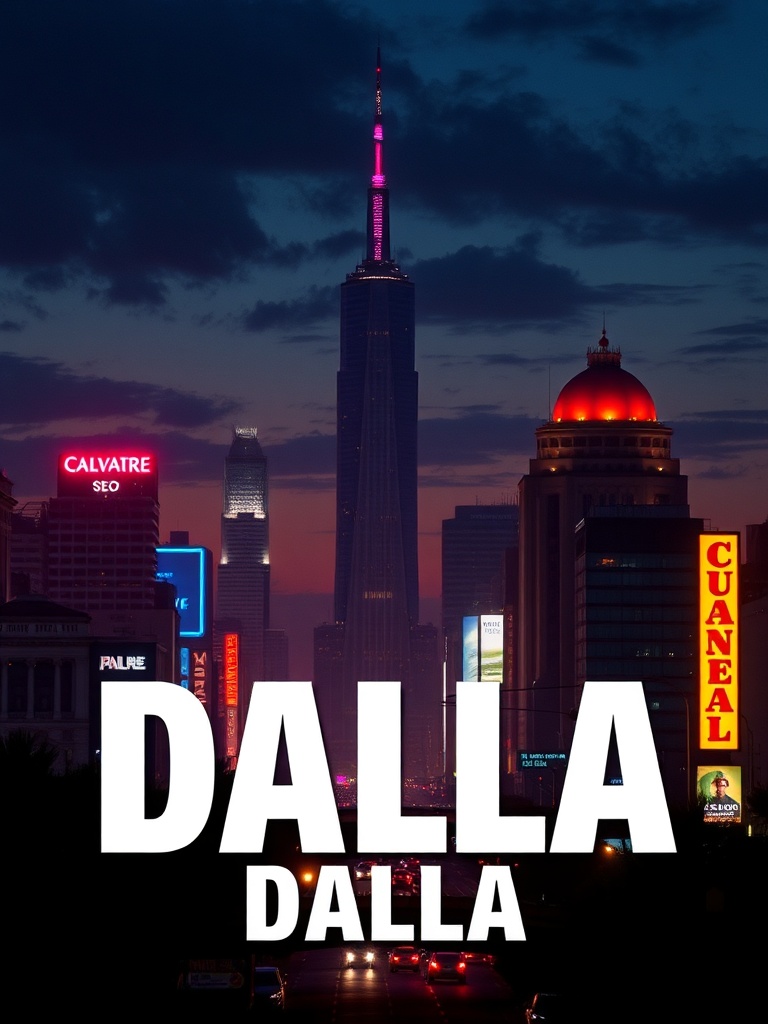
– Bishop Arts District: A creative hub with independent shops and eclectic restaurants, this district prizes local makers and a strong sense of community. Boutique hotels and galleries add cultural depth.
– Deep Ellum: Famous for live music and street art, Deep Ellum remains a nightlife and creative destination. New developments have balanced entertainment with residential options.
– Oak Lawn/Victory Park corridor: This area combines nightlife, nightlife-adjacent residences, and easy access to major arenas and corporate offices, appealing to those who want an active urban lifestyle.
– East Dallas neighborhoods: Offering more affordable housing options and family-friendly parks, these neighborhoods are seeing thoughtful infill projects and improved connectivity to central Dallas.
Practical tips for prospective residents
– Prioritize transit and commute time: Check light rail and bus routes, but also consider bicycle and pedestrian access if those matter to you.
– Visit at different times: A neighborhood can feel different on weekday mornings, Friday evenings, and weekend afternoons. Sample meals at local spots and park visits to get a true sense of daily life.
– Talk to local business owners: They often provide candid insights about safety, trends, and community engagement that listings won’t capture.
– Consider future needs: Look for areas where amenities like grocery stores, healthcare, and schools are within reasonable distance or where planned development will add those services.
– Balance lifestyle and investment: Neighborhoods with strong local culture and improving infrastructure often deliver both a pleasant living experience and long-term value.
Neighborhood design that supports health and community
Developments that prioritize sidewalks, bike lanes, pocket parks, and community gathering spots help neighbors connect and encourage active lifestyles.
Adaptive reuse of older buildings preserves character while welcoming new businesses.
Community-led initiatives — from street festivals to neighborhood cleanups — play a big role in maintaining momentum and ensuring growth feels inclusive.
For anyone weighing a move or exploring Dallas, focusing on walkability, transit, and local amenities will help match lifestyle priorities with the right neighborhood vibe. The city’s evolving urban landscape offers many ways to find a neighborhood that fits the life you want.