Dallas on the Rise: Infrastructure Upgrades, Real Estate Trends, and Cultural Revival

Dallas is shaping up as a city to watch thanks to a mix of large-scale infrastructure projects, shifting real estate dynamics, and a cultural scene that keeps drawing national attention. For residents and visitors alike, these trends are creating new opportunities and changing how people live, work, and spend time across the metro area.
Infrastructure and mobility
Efforts to improve mobility around Dallas are moving forward with expanded transit options and airport upgrades that aim to reduce congestion and better connect neighborhoods.
The Dallas Area Rapid Transit (DART) network continues to extend service and modernize stations, while the region’s airport authority is focusing on terminal renovations and passenger experience enhancements to handle growing travel demand. These upgrades are designed to ease commutes and support the area’s role as a national air travel hub.
Waterfront and public-space revitalization
The Trinity River corridor remains a focal point for urban renewal. Large public-space and flood-mitigation initiatives are reshaping riverfront neighborhoods, adding parks, trail systems, and recreational amenities that invite more outdoor activity and community events. These projects also seek to balance environmental stewardship with development, improving waterway health and creating green space in dense urban pockets.
Real estate: neighborhoods and affordability
Dallas’ housing market is evolving.
Some central neighborhoods are experiencing renewed investment and new mixed-use developments, while outer suburbs continue to grow as remote work patterns influence where people choose to live.
Affordability remains a pressing concern for many residents, prompting local leaders and developers to explore more diverse housing options, including workforce housing, adaptive reuse of older buildings, and incentives aimed at increasing supply.
Economic and job landscape
Corporate relocations and expansions continue to bolster the local economy, spurring demand for office space, logistics facilities, and skilled workers.
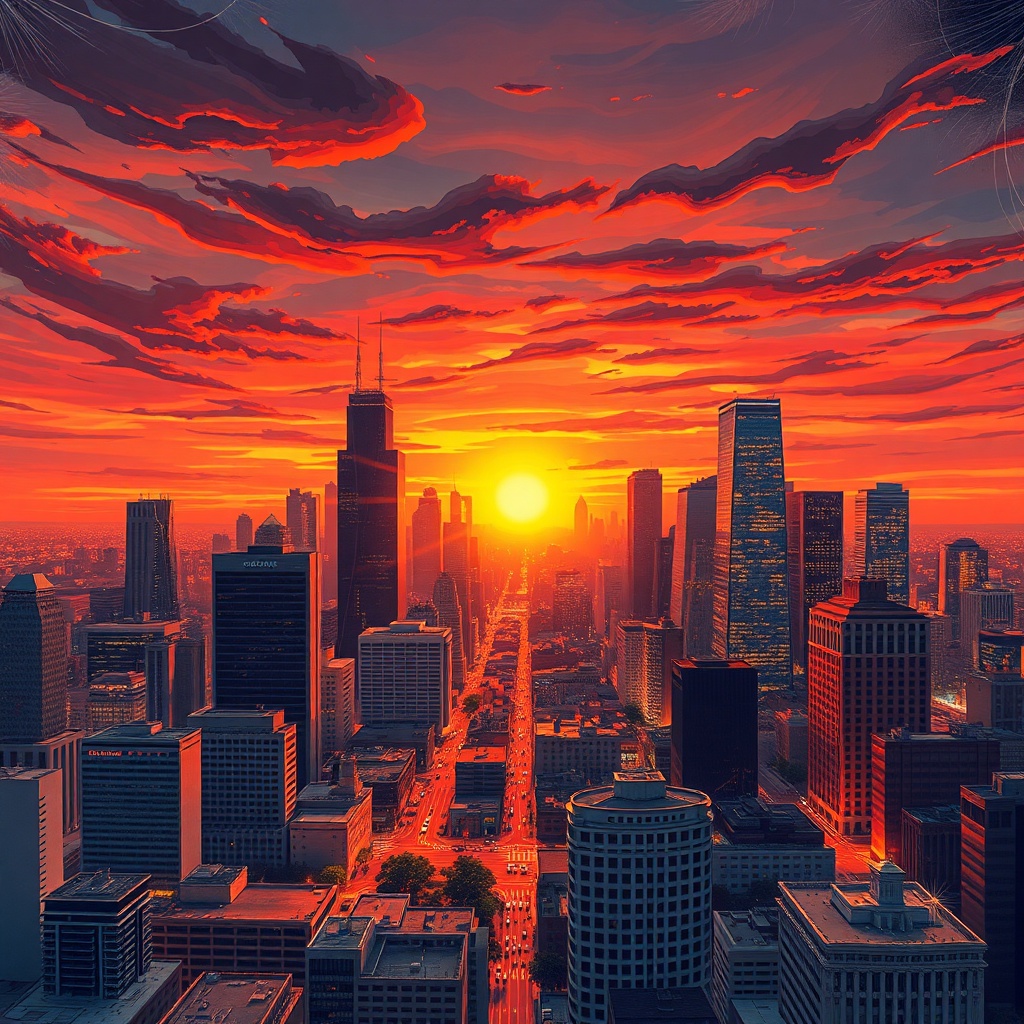
Tech, finance, healthcare, and logistics sectors show sustained interest in Dallas as a strategic base. That said, the shift to hybrid work models and the rise of distributed teams are influencing how companies design office space and recruit local talent.
Arts, dining, and entertainment
Dallas’ cultural district and neighborhoods like Deep Ellum and Bishop Arts are thriving with galleries, live music venues, and an ever-expanding restaurant scene.
Investment in public art and cultural institutions is keeping the city on the radar for creative professionals and tourists. Sports and major events also continue to draw crowds and generate local buzz, supporting hospitality and retail businesses across the metro area.
Community and policy focus
City leaders and community organizations are increasingly centering policy conversations around equity, climate resilience, and transportation access.
Initiatives to improve walkability, expand bike infrastructure, and increase tree canopy reflect broader goals to enhance quality of life and public health. Neighborhood-level planning processes are also gaining traction, as residents seek more input on how growth occurs in their communities.
What to watch and how to stay informed
Keep an eye on project approvals, transit funding measures, and major corporate announcements—each can have a ripple effect on neighborhoods and the job market.
Local news outlets, city planning meetings, and neighborhood associations are reliable sources for timely updates and opportunities to participate in shaping Dallas’ future.
Whether you’re a longtime resident, a newcomer, or just curious about regional trends, Dallas’ mix of infrastructure investment, cultural vitality, and economic activity makes the city a dynamic place to follow. Stay connected to local reporting and community forums to track how these developments translate into everyday life across the metro area.