Walkable Dallas: Neighborhoods, Transit & Riverfront Trails to Explore

Dallas is reshaping what it means to live, work, and play in a modern Sun Belt city. Once known primarily for sprawling neighborhoods and car-first design, the city is becoming more walkable, transit-friendly, and green — changes that affect residents, visitors, and businesses alike.
Why walkability matters
Walkable neighborhoods boost health, reduce transportation costs, and foster stronger local economies.
When people can walk to shops, restaurants, parks, and transit, they spend more time in public spaces and more money at nearby businesses. For families and professionals alike, walkability translates into shorter commutes, more active lifestyles, and better access to urban amenities without driving everywhere.
Neighborhoods leading the shift
Several Dallas neighborhoods stand out for their pedestrian-friendly streets and vibrant street life.
Uptown offers tree-lined sidewalks, a lively restaurant scene, and easy access to light rail stations, making it a favorite for young professionals. Bishop Arts in Oak Cliff is known for its boutique shops, independent galleries, and walkable blocks that encourage strolling and discovery.
Deep Ellum remains a cultural hub with live music venues and murals, designed for night walks and dining crawls. For those seeking a more family-oriented parkland experience, areas near Klyde Warren Park and the Arts District provide green spaces, cultural institutions, and pedestrian pathways that connect the downtown core.
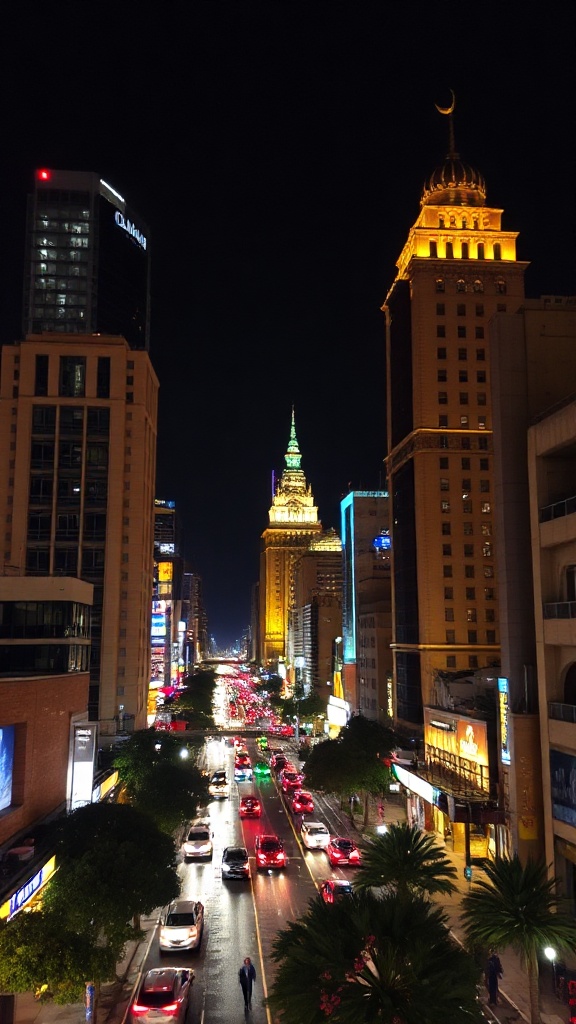
Transit and micromobility
Public transit has been an important part of making Dallas more navigable without a car.
Light rail lines and bus networks link many neighborhoods to the central business district and entertainment zones. Micromobility options — such as bike lanes, shared e-scooters, and bike-share programs — complement transit by solving the “last mile” problem and making short trips quicker and more convenient. As bike infrastructure expands, more people feel comfortable choosing two wheels over four.
The role of public spaces and riverfront development
Public parks and riverfront projects have reshaped how people experience the city. Enhanced greenways, trails, and recreational areas along the Trinity River provide miles of space for running, biking, and kayaking, while new pedestrian bridges and linear parks stitch neighborhoods together. These investments create healthier neighborhoods, increase property values, and attract new businesses that want to be part of dynamic urban corridors.
Managing growth and affordability
Growth brings opportunities and challenges. As neighborhoods become trendier and more desirable, affordability and displacement concerns arise.
City planning that balances new development with affordable housing, community land trusts, and tenant protections helps ensure long-term residents benefit from neighborhood improvements. Smart zoning, incentives for mixed-income developments, and thoughtful preservation of cultural landmarks can sustain diversity and character as demand rises.
Tips for experiencing walkable Dallas
– Start with a walking neighborhood: choose Uptown, Bishop Arts, or the Arts District for accessible dining, culture, and retail.
– Combine transit and walking: use light rail or buses for core trips, then explore nearby blocks on foot.
– Explore river trails: bring a bike or rent a scooter to cover more ground along scenic greenways.
– Time your visits: evenings and weekend mornings offer lively street scenes with farmers markets, live music, and outdoor dining.
– Support local: shop at independent boutiques, eat at neighborhood cafes, and join community events to keep vibrancy local.
Walkability is reshaping Dallas into a more connected, healthy, and economically resilient city. Whether you live here or are just visiting, exploring the city on foot and by transit reveals a Dallas that’s more accessible and engaging than ever before.