Downtown Dallas Revitalization: How Transit, Walkability, and Mixed-Use Development Are Transforming the City

Dallas is reshaping its downtown identity — blending major development, expanding transit, and a thriving cultural scene to attract residents, visitors, and investors alike.
For anyone following Dallas news, the long-running story is how a once car-centric city is prioritizing walkability, mixed-use projects, and creative placemaking to keep momentum going.
What’s driving the transformation
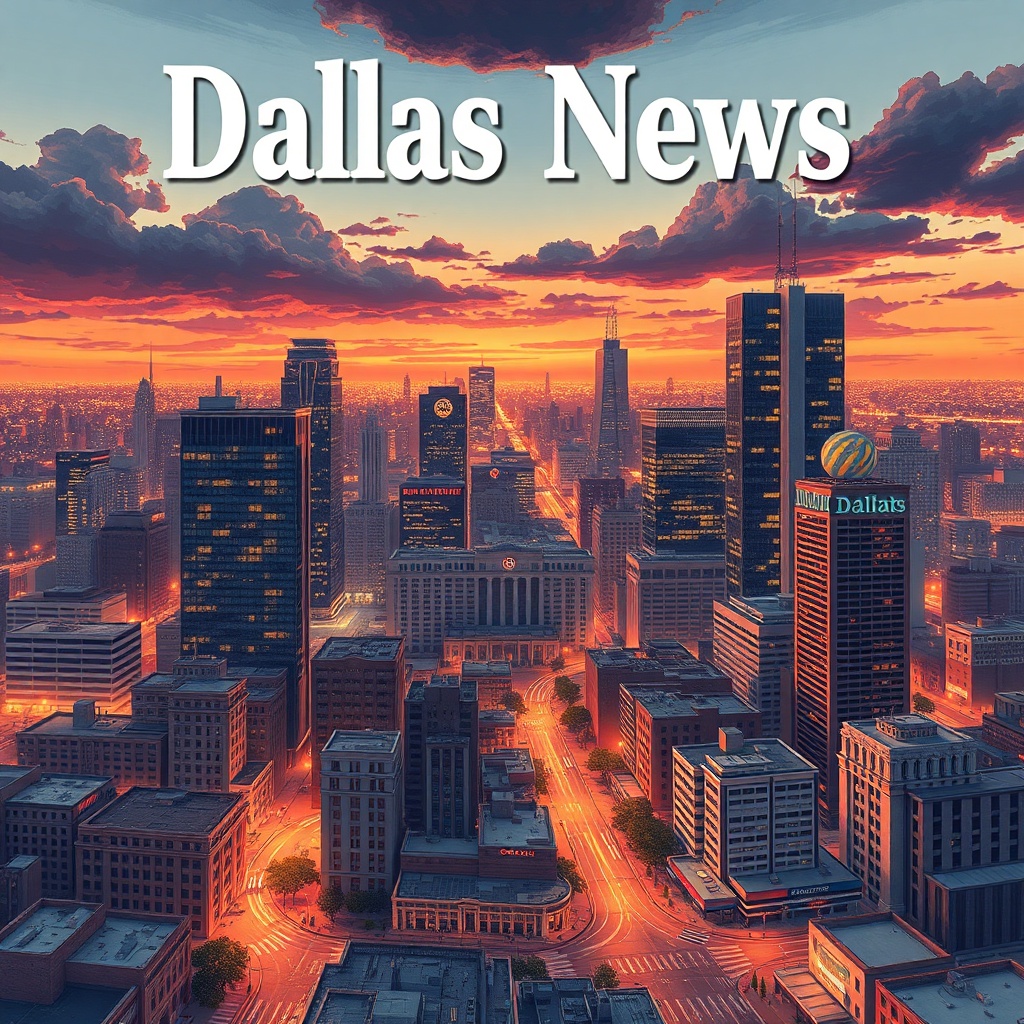
A mix of private investment and public planning has driven much of the change. Developers are converting older office and industrial buildings into apartments, hotels, and creative office space, while new mixed-use towers bring retail and restaurants to street level. Those shifts respond to rising demand for urban living and a growing appetite for neighborhoods that combine work, play, and transit access.
Transit and connectivity gains
Transit projects and mobility options are central to downtown’s future. Light rail and commuter-rail expansions, improved bus services, and growing bike- and micromobility infrastructure make it easier to move between neighborhoods without a car.
Better connectivity to key employment hubs and entertainment districts makes downtown a more practical place to live and spend time, while also supporting local businesses that benefit from increased foot traffic.
Parks and public spaces
Parks and green spaces have become catalysts for neighborhood revitalization. Linear trails, riverfront improvements, and pocket parks are encouraging outdoor activity and community gatherings.
Signature public spaces have redefined how people use downtown — hosting farmers markets, live music, and family-friendly programming that stretches activity beyond the typical workday.
Culture, nightlife, and food
Dallas’ cultural district continues to punch above its weight.
Museums, theaters, and an independent music scene give downtown and surrounding neighborhoods a steady calendar of events. Food and nightlife have kept pace: chef-driven restaurants, craft cocktail bars, and late-night music venues create an energetic after-hours scene. Neighborhoods known for creativity and dining — from historic corridors to newer mixed-use blocks — remain magnets for residents and visitors.
Neighborhoods to watch
Several pockets of the city are drawing particular attention. Adaptive-reuse districts and emerging neighborhoods often deliver the best combination of value and vibrancy — offering walkable streets, independent retail, and quick access to transit. Those who track local real estate and lifestyle trends often point to these areas as the most dynamic parts of the city for new restaurants, galleries, and small businesses.
Housing and affordability pressures
Growth brings opportunity — and challenges. Increased demand for urban housing has put pressure on rental and for-sale prices, prompting conversations about affordability, inclusive zoning, and the role of public incentives in preserving diverse communities. City leaders, developers, and community groups are actively debating policy tools to balance new investment with equitable outcomes for longtime residents.
Safety and quality of life
Public safety and street-level maintenance remain priorities for sustaining downtown’s appeal.
Investments in lighting, street cleaning, and community-oriented policing strategies aim to make downtown safer and more welcoming for residents, workers, and visitors. Collaborative efforts between businesses and civic organizations are also driving initiatives that enhance everyday quality of life.
What to watch next
Keep an eye on upcoming development announcements, transit milestones, and cultural programming that signal the next phase of growth. With ongoing investment and community engagement, downtown Dallas is positioning itself as a livable, walkable center that supports a diverse urban lifestyle — a story that continues to evolve with each new project and neighborhood revitalization.