Dallas Reinvented: A Guide to Neighborhoods, Food, Parks, and Transit

Dallas keeps reinventing itself, blending big-city amenities with neighborhood character.
Whether you’re visiting for business, relocating for work, or exploring local culture, the city offers a mix of food, outdoor space, transit improvements, and creative districts that make it easy to fall for its energy.
Why Dallas stands out
A strong corporate base and a growing tech and creative scene fuel new restaurants, cultural venues, and mixed-use developments.
That economic momentum supports public investments in parks, pedestrian-friendly streets, and transit, making central neighborhoods more walkable and livable than ever before.
Neighborhoods to know
– Uptown: Ideal for young professionals who want nightlife, walkable streets, and proximity to downtown employment.
High-rise living, boutique fitness studios, and a lively bar scene are hallmarks.
– Bishop Arts: A compact, independent-minded district known for curated shops, local galleries, and standout restaurants. It’s a top choice for dining and weekend strolls.
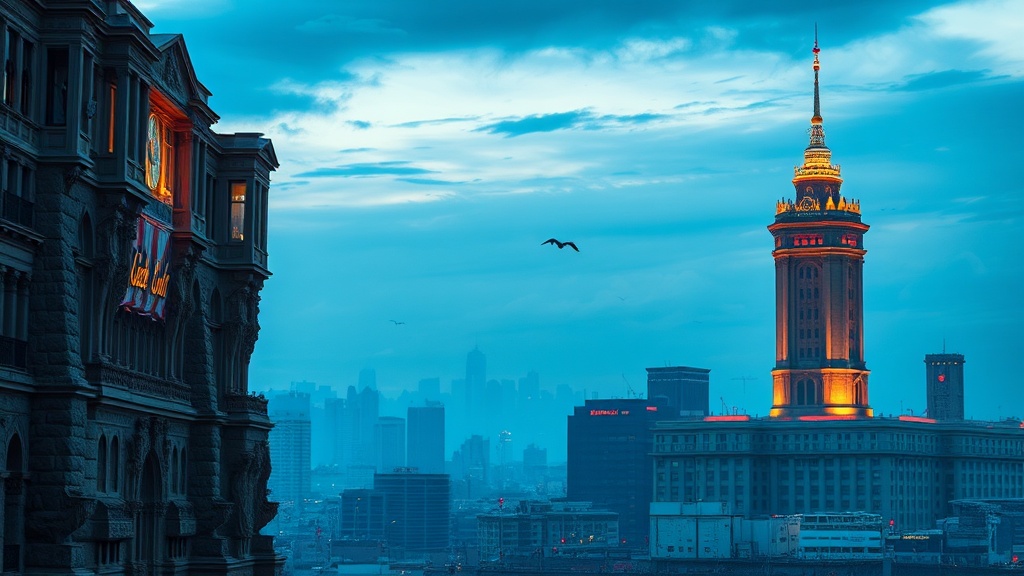
– Deep Ellum: Central to the city’s live-music and street-art culture. Expect a rotating lineup of venues, mural-covered alleys, and late-night eats.
– Trinity Groves and West End: These river-adjacent areas host innovative dining concepts and new retail clusters, often paired with scenic views of the Trinity River corridor.
– Suburban hubs: Areas outside central Dallas offer more square footage and lower density while maintaining access to city employers via major highways and transit nodes.
Outdoors and green space
The Trinity River corridor and downtown green spaces redefine urban recreation. Klyde Warren Park functions as a civic living room—food trucks, fitness classes, and lunchtime crowds—while larger trail networks along the river provide miles for running, biking, and paddling.
New pocket parks and riverfront improvements are making access to nature easier from more neighborhoods.
Getting around
Public transit options have expanded, with light rail, streetcar routes, and bus networks connecting major employment centers and entertainment districts. For many commuters, a combination of transit and short car trips is the most efficient way to navigate the metro area. Bike lanes and shared-mobility options are improving connectivity in denser neighborhoods.
Food, drink, and nightlife
Dallas’s culinary scene blends Texas barbecue and Tex-Mex with global flavors and upscale experimentation. Food halls and chef-driven small plates dominate dinner conversation, while craft cocktail bars and music venues keep evenings lively across neighborhoods. Farmers markets and local grocers also make it easy to source seasonal produce and artisan goods.
Real estate and cost of living
Housing options vary widely—from downtown high-rises and renovated lofts to single-family homes in established neighborhoods and newer developments in the suburbs. Buyers and renters should factor in commute times, school districts, and property tax considerations when comparing neighborhoods. A local real estate agent can help identify areas that match lifestyle priorities and budget.
Tips for newcomers and visitors
– Time outdoor activities for cooler morning or evening hours during warm stretches.
– Use transit for events in downtown and Uptown to avoid parking hassles.
– Explore multiple neighborhoods on foot to get a true sense of local flavor.
– Check local event calendars for live music, food festivals, and pop-up markets that showcase Dallas’s community energy.
Whether you’re scouting neighborhoods, sampling the food scene, or enjoying riverfront trails, Dallas offers a surprising mix of metropolitan amenities and approachable neighborhoods that keep people engaged and coming back for more.