How Downtown Dallas Is Becoming a Walkable, 18-Hour Neighborhood Through Office Conversions, Transit Upgrades, and Riverfront Revitalization

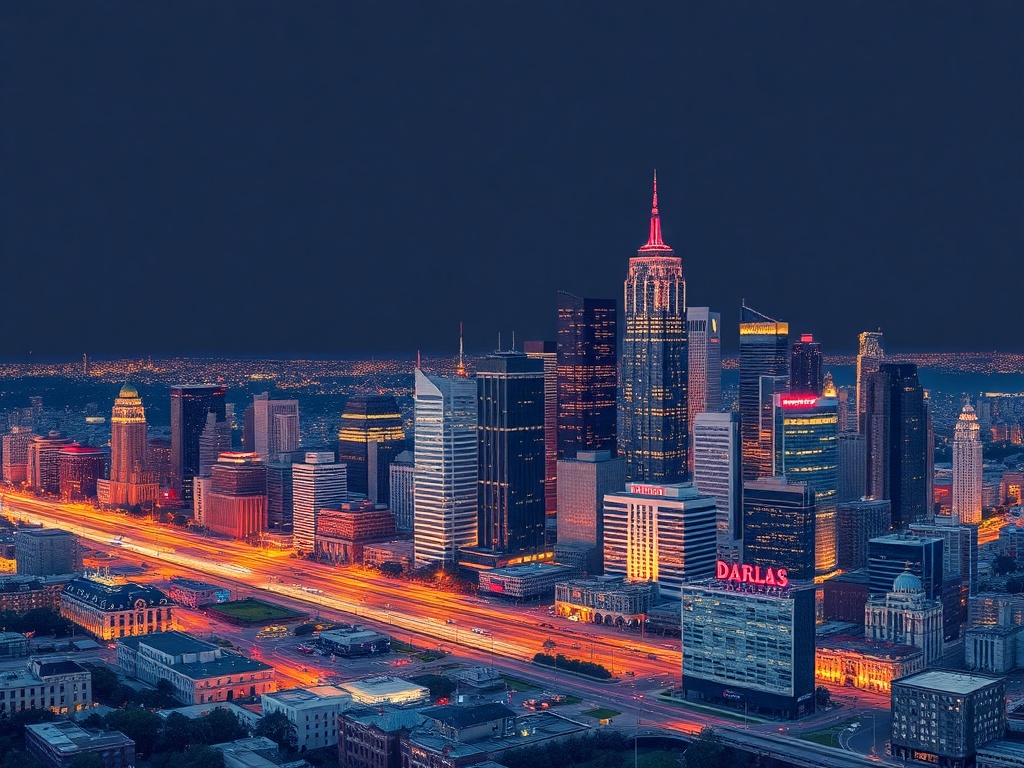
Downtown Dallas is experiencing a notable transformation that’s reshaping how people live, work, and play in the city center. A mix of residential conversions, transit investments, and cultural activation is turning the urban core into a more walkable, 18-hour neighborhood — not just a place for the 9-to-5 crowd.
Office-to-residential conversions are at the heart of the change. As companies reassess space needs, older office towers are being reimagined as apartments and condos, boosting downtown housing supply and bringing more residents to storefronts that used to sit empty after business hours. More foot traffic means more demand for cafes, restaurants, fitness studios, and grocery options — a virtuous cycle that supports small-business growth and livelier street life.
Transit and mobility upgrades reinforce that shift.
Local transit agencies are expanding service frequency and enhancing connections between light rail, buses, and popular districts.
New microtransit and on-demand shuttle options are improving first- and last-mile connections, while protected bike lanes and expanded sidewalks encourage short trips by bike or on foot. These changes reduce reliance on cars, ease congestion, and make it simpler for residents and visitors to move through downtown without hunting for parking.
Public space investments are also changing perceptions of downtown. Riverfront revitalization projects along the Trinity corridor are converting underused land into parks, trails, and community gathering spots. Programming such as outdoor concerts, farmers’ markets, and pop-up events animates these areas and draws people from across the metro area.
Green infrastructure — shade trees, permeable pavement, and native plantings — helps address urban heat and stormwater runoff while making public spaces more comfortable year-round.
Cultural institutions and entertainment venues are stepping up programming to match the growing residential base. Museums, theaters, and sports arenas are offering extended hours, community-focused exhibits, and combined ticketing or transit discounts to encourage repeat visits. The hospitality sector is responding with boutique hotels and locally curated dining experiences that celebrate diverse culinary scenes.
Challenges remain. Affordability is a concern as demand pushes up rents and property values. City leaders and developers are experimenting with tools like inclusionary housing policies, adaptive reuse incentives, and public-private partnerships to preserve mixed-income neighborhoods.
Traffic management and parking strategies must keep pace with increased activity, and equitable transit access remains a priority so that improvements benefit all residents, not just those near downtown.
Opportunities for residents and stakeholders are clear. Participating in public planning meetings, supporting neighborhood small businesses, and using transit options can help shape a downtown that serves a wide range of needs. Developers and civic leaders can prioritize projects that balance density with open space and integrate sustainable building practices to lower long-term energy costs.
Downtown Dallas is moving toward a future where living, working, and leisure are more tightly integrated. With continued attention to affordable housing, mobility, and public spaces, the urban core can evolve into a resilient, inclusive district that reflects the city’s energy and diversity.
For residents and visitors alike, the downtown experience is becoming more welcoming, connected, and vibrant — a destination worth exploring day or night.