Dallas’ Next Chapter: Transit, Housing and Downtown Revival

How Dallas Is Shaping Its Next Chapter: Transit, Housing, and Downtown Revival
Dallas is experiencing a dynamic phase of growth and reinvention, with policies and projects that affect daily life for residents, commuters, and business owners. From transit investments to urban redevelopment and housing initiatives, the city is balancing opportunity with the need for equity and resilience.
Transit upgrades that change commutes
Public transit remains a top priority as the Dallas area expands. Continued investment in light rail, bus rapid transit, and station-area improvements aims to reduce congestion and provide more reliable options for workers and students. Riders can expect phased service expansions, upgraded fleet accessibility, and increased frequency on key corridors. For commuters, combining transit with micromobility options — scooters, bike-share, and improved pedestrian paths — is becoming a practical way to shorten last-mile connections.
What to watch: transit-oriented development near major stations is creating new mixed-use neighborhoods, making it easier to live, work, and shop without relying solely on cars.
Housing affordability and neighborhood change
Rising demand for housing has pushed affordability into the spotlight. City programs and nonprofit partnerships are focusing on preserving existing affordable units, incentivizing new deeply affordable housing near transit, and converting underused commercial spaces into residential options. Inclusionary zoning conversations, tax-credit developments, and targeted subsidies aim to protect long-term residents while accommodating newcomers.
Homeowners and renters should keep an eye on local housing authority announcements and neighborhood planning meetings. Tenant protections and eviction prevention resources are also expanding in response to economic uncertainty, helping families stay in their communities.
Downtown and neighborhood revitalization
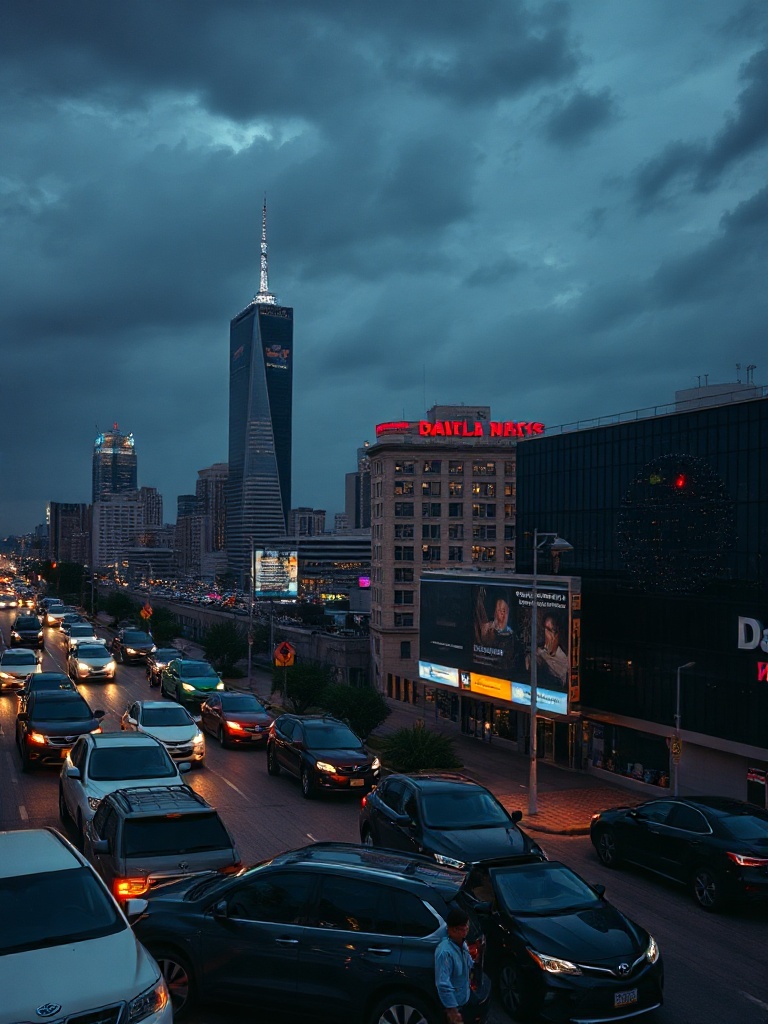
Downtown Dallas is seeing a mix of high-profile projects and grassroots revitalization.
Office-to-residential conversions, adaptive reuse of historic buildings, and new public spaces are transforming the urban core. These changes attract restaurants, galleries, and independent retailers, while also raising questions about parking, pedestrian safety, and night-life activation.
Neighborhoods across the city are pursuing context-sensitive growth: small commercial corridors are getting facade improvements, vacant lots are becoming pocket parks or pop-up marketplaces, and community-led development is fostering local entrepreneurship. Small-business owners can leverage local business alliances and city grants to capitalize on these trends.
Climate resilience and green infrastructure
Dallas is investing in resilience to manage extreme weather, stormwater runoff, and heat. Green infrastructure — such as bioswales, urban tree planting, and permeable pavement — is being incorporated into public projects and private developments. These measures not only reduce flooding risk but also enhance public health by cooling streets and expanding shade cover.
Residents can participate in tree-planting initiatives and local watershed groups to stay informed about neighborhood-level flood mitigation and sustainability programs.
How to engage and stay informed
– Follow City of Dallas council agendas and neighborhood plan updates to monitor zoning changes and community investments.
– Track transit authority announcements for service changes and new route planning meetings.
– Join local business associations and neighborhood groups for early access to development proposals and grant opportunities.
– Use civic tech tools and local media outlets to stay on top of policy shifts that affect housing, transportation, and small business support.
Dallas’ path forward will be shaped by coordinated public investment, private innovation, and community engagement.
For residents and stakeholders, staying involved in planning processes and leveraging available resources will be essential to ensure growth benefits a broad spectrum of the city’s population.