Dallas Downtown Rebound: How Transit, Housing and Parks Are Shaping a More Livable Sun Belt City

Dallas is evolving quickly — and the story is about how a major Sun Belt city is reshaping its downtown, transportation and housing landscape while balancing growth with livability.
A downtown rebound with new life
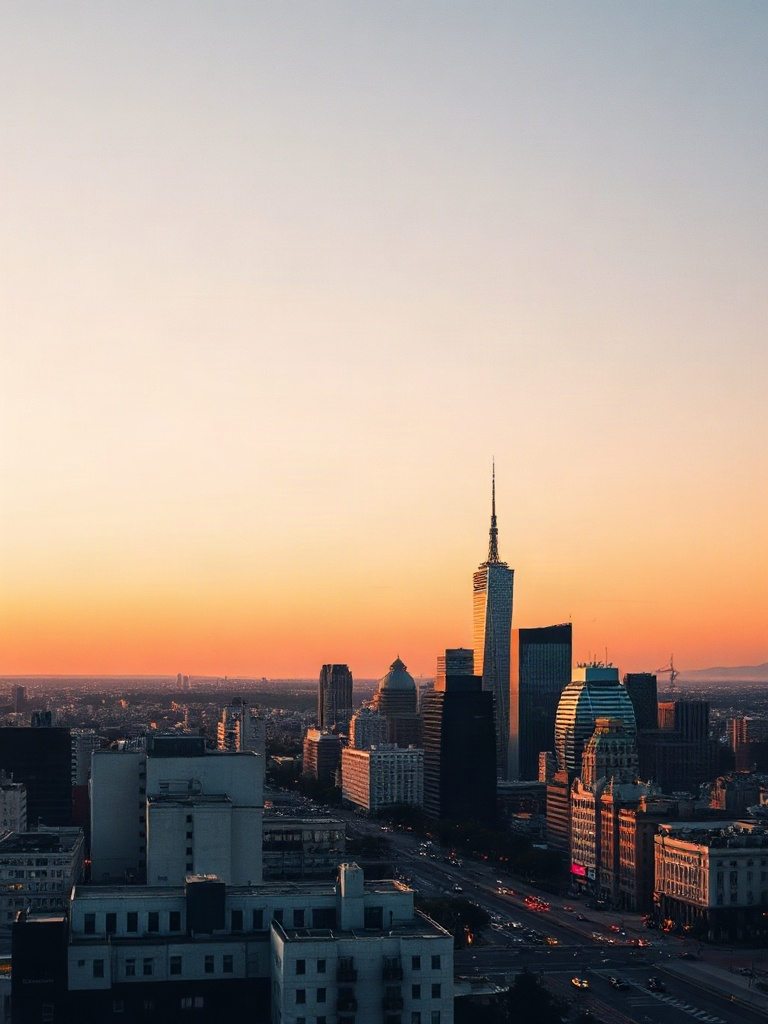
The core of Dallas has seen steady reinvestment that’s changing how people live, work and socialize. Office towers are no longer single-purpose: many are being reimagined as mixed-use buildings with apartments, coworking spaces and ground-floor retail. That adaptive reuse trend helps activate streets after business hours and attracts restaurants, galleries and nightlife that feed a more 24/7 downtown scene. Neighborhoods that were once commuter hubs are turning into full-time communities, bringing residents closer to cultural anchors like the arts district and music venues.
Transit and mobility: projects to watch
Public transit remains a focus as the region seeks to reduce congestion and connect more neighborhoods.
Major rail and bus expansions are advancing, and planners are increasingly pairing transit upgrades with walkable, transit-oriented development. Micromobility — scooters and bike-share — continues to fill last-mile gaps, while investments in bike lanes and pedestrian infrastructure aim to make short trips safer and more convenient. For commuters, the combination of improved rail service and technology-driven scheduling is shifting options beyond the single-occupancy car.
Housing pressure and creative solutions
Like many fast-growing metro areas, Dallas is wrestling with housing affordability. Rising rents and home prices in popular neighborhoods have pushed demand outward, fueling both development at the edges and targeted efforts to preserve existing affordable units. City and nonprofit initiatives are emphasizing preservation, inclusionary zoning incentives and accessory dwelling units as tools to increase supply without sprawling endlessly. Developers are also exploring smaller-unit designs and modular construction to control costs and speed delivery.
Parks, riverfronts and climate resilience
Public-space projects are changing how residents interact with the city’s natural features. Riverfront revitalization initiatives aim to knit green corridors into the urban fabric, offering flood control, habitat restoration and recreational amenities in a single package. Parks and urban forestry efforts are also being prioritized as heat mitigation strategies, recognizing that green infrastructure improves both quality of life and climate resilience in hot-weather cities.
Economic shifts and local business vitality
Corporate relocation and expansion continue to bring jobs and headline attention, but small and mid-size businesses are the backbone of neighborhood economies. Local retail, restaurants and creative studios benefit when development focuses on human-scale streetscapes and tenants who complement community character.
Workforce training partnerships between companies, colleges and city programs are attempting to ensure the local workforce shares in new opportunities.
Civic engagement and planning choices
Public participation is becoming more central to planning debates. Neighborhood groups, business coalitions and environmental advocates are increasingly vocal about development priorities, transit alignments and park design. The outcome of these conversations will shape how growth is distributed across the region, which neighborhoods get investment, and how accessible the city remains to diverse income groups.
What to watch next
Key indicators to follow include progress on major transit corridors, the pace of office-to-residential conversions, affordability measures tied to new development approvals, and the implementation of green infrastructure projects. For residents and visitors alike, the evolving mix of projects means Dallas is becoming more connected, more walkable and more focused on sustainable growth — while still navigating the trade-offs that come with rapid expansion.