Downtown Dallas Reimagined: Transit-Oriented Growth, Parks, and Small-Business Revival

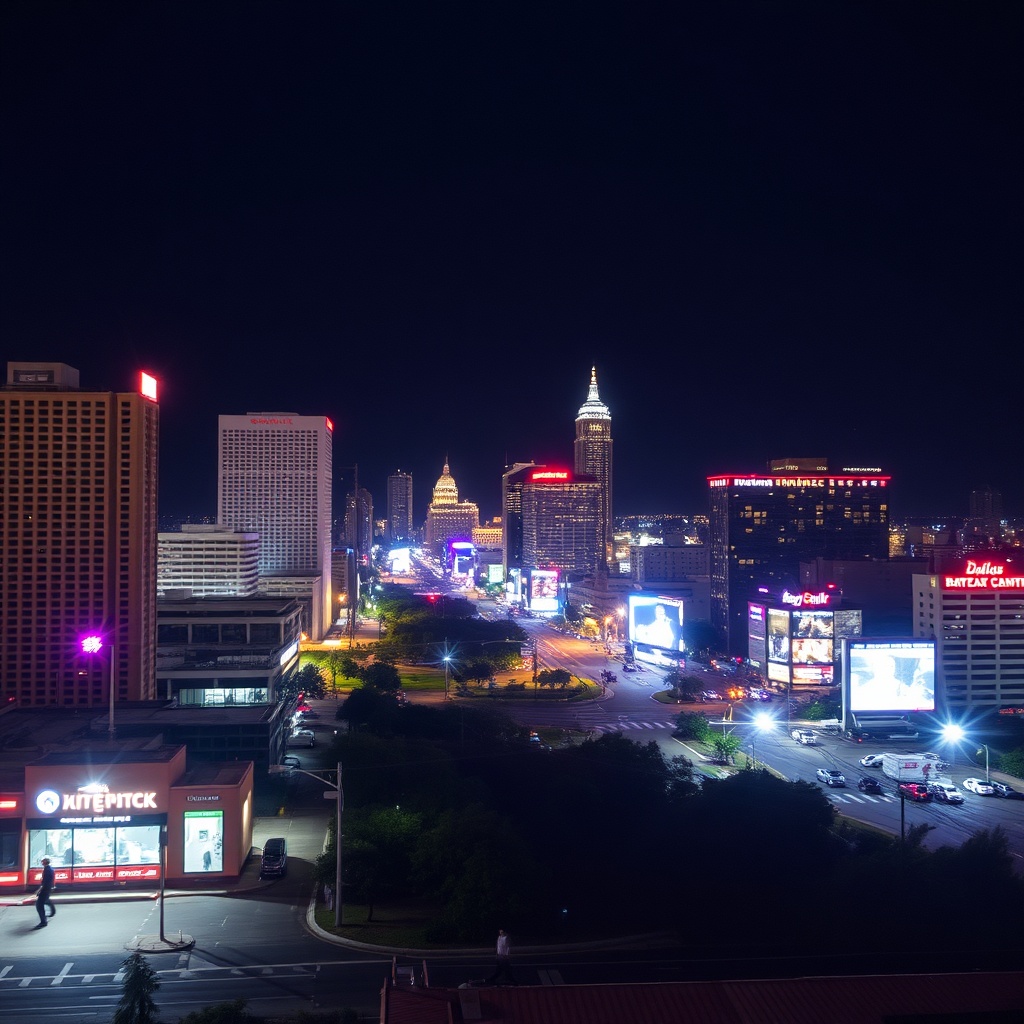
Dallas is evolving into a model of urban reinvention, where transit upgrades, park-driven placemaking, and targeted support for small businesses are reshaping the downtown experience. Coverage of these shifts keeps appearing in Dallas news because they affect daily life for residents, commuters, and visitors—and they illustrate how a major city can balance growth with livability.
Transit-first development is moving to the forefront. Investments in light rail and bus corridors are encouraging denser, mixed-use development around stations, making it easier to walk, bike, or catch a ride to work and entertainment.
Transit-oriented projects near major hubs are drawing residential and office projects that prioritize ground-floor retail and pedestrian-friendly streetscapes. For commuters, better first- and last-mile connections—microtransit shuttles, bike-share stations, improved sidewalks—are reducing reliance on cars and easing congestion.
Parks and public spaces are key anchors for downtown vitality. Well-designed green spaces act as cooling islands, social hubs, and event venues that extend downtown activity beyond traditional business hours. Signature projects that stitch neighborhoods together and offer free programming help attract families, creatives, and entrepreneurs. When parks are programmed with markets, concerts, and art installations, they create an authentic sense of place that benefits adjacent businesses and increases foot traffic for cafes, shops, and galleries.
Small businesses are central to downtown’s cultural and economic resurgence. Targeted support—grants, flexible leasing options, and streamlined permitting—helps independent restaurants, boutiques, and service providers survive early-growth challenges.
Business associations and local incubators are offering mentorship and marketing help to amplify visibility in an increasingly competitive environment.
Customers are responding by seeking out unique experiences and locally made goods, which fuels the supply of neighborhood-focused offerings.
Public safety and street-level improvements remain top priorities for sustaining downtown momentum.
Strategies that combine visible patrols with community engagement, better lighting, and maintenance of public amenities create safer-feeling environments.
Coordinated efforts between business groups, property owners, and city agencies to clean streets and activate storefronts make downtown feel cared for, which in turn boosts investment interest.
Housing affordability and workforce housing near downtown transit are also part of the conversation.
Mixed-income developments tied to transit reduce commute burdens for essential workers and help maintain economic diversity in central neighborhoods.
Inclusionary zoning incentives and partnerships with nonprofit housing developers can expand options for households priced out of rapidly redeveloping areas.
Arts and culture are essential to downtown’s identity. Districts that support galleries, performance venues, and public art installations create cultural tourism draws and strengthen community ties.
Arts-based placemaking often helps preserve neighborhood character even as new development arrives, offering a balance between growth and heritage.
For residents and visitors paying attention to Dallas news, the downtown story highlights practical changes you can see and use: new transit options, livelier parks, a more resilient small-business scene, and streets that feel safer and more welcoming.
Staying informed about public meetings, planning initiatives, and local business openings is the best way to participate in shaping downtown’s next chapter.
Explore local planning updates, sign up for neighborhood newsletters, or visit public events to experience these changes firsthand—engagement helps ensure downtown remains vibrant, equitable, and responsive to community needs.