Inside Dallas’ Transformation: Trinity River Parks, Downtown Reuse, Transit & Housing

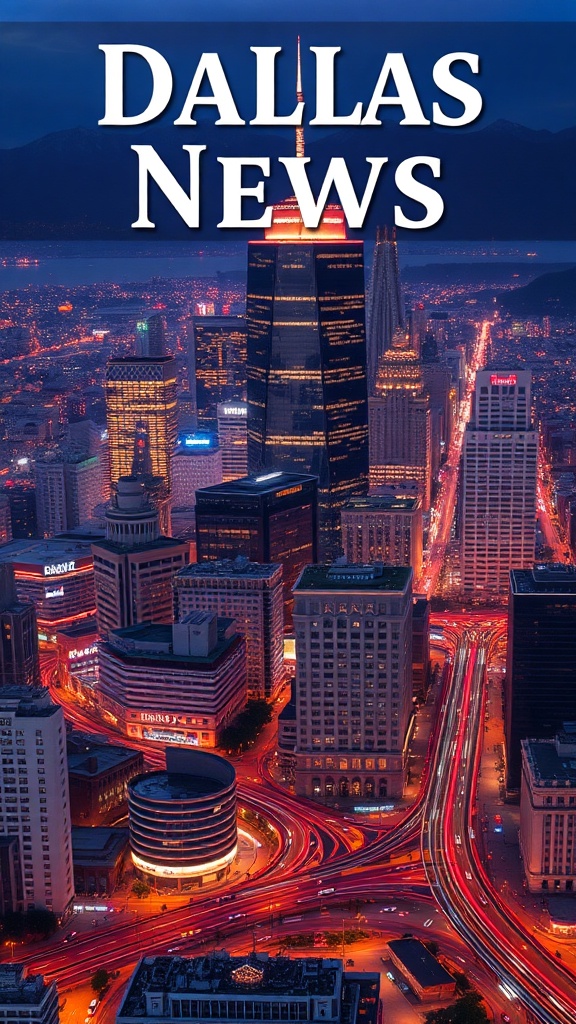
Dallas is in the middle of a visible transformation: riverfront parks are expanding, older office towers are being reimagined for residential use, and transportation investments are reshaping commutes. These shifts reflect a broader push to create a more livable, resilient city that balances growth with quality of life.
Trinity River and public spaces
The Trinity River corridor remains a focal point for civic planning and private investment. Upgrades to trails, floodplain restoration, and new parkland are connecting neighborhoods that were long separated from the river.
These improvements are designed to boost recreation and wildlife habitat while offering natural flood mitigation—an important consideration given the region’s climate patterns. For residents, expanded greenways mean more options for walking, biking, and weekend family activities without leaving the city.
Downtown revitalization and office conversions
Downtown Dallas is experiencing an adaptive reuse trend: older commercial buildings are increasingly converted into apartments, hotels, or mixed-use complexes. This shift helps fill demand for downtown living and supports small businesses on street level. For property owners and developers, conversion projects can unlock value from underused office assets and help create a 24/7 downtown economy that attracts restaurants, cultural venues, and nightlife.
Transit and mobility
Public transit expansions and service improvements are influencing development patterns. New and improved rail and bus connections are encouraging transit-oriented development near stations, which can reduce commute times and ease roadway congestion.
Micromobility options such as e-scooters and expanded bike lanes are being integrated into the city’s mobility mix, providing convenient options for short trips and last-mile connections.
Housing and affordability
Rapid growth has put pressure on housing affordability across the metro area.
Municipal officials and developers are piloting a mix of strategies—density near transit corridors, accessory dwelling unit incentives, and public-private affordable-housing partnerships—to increase supply and preserve neighborhood character.
Prospective homebuyers and renters should monitor zoning updates and neighborhood plans, as these often preview where more housing—and related retail—will emerge.
Economic diversification and job markets
Dallas continues to attract firms in tech, finance, and healthcare, contributing to job growth and a competitive labor market.
Economic development efforts are prioritizing talent pipelines, workforce training, and incentives for industries that add high-paying jobs. Neighborhoods near employment centers are seeing new retail and dining options, changing the local real estate dynamics for both investors and residents.
Community engagement and equity
Community input plays a growing role in shaping projects, especially in historically underserved neighborhoods. Public hearings, neighborhood associations, and community impact assessments are increasingly part of the development process. Equity-focused planning aims to ensure that benefits like parks, transit access, and affordable housing reach long-time residents as well as newcomers.
What residents can do
– Stay informed: Follow city planning updates, transit authority announcements, and neighborhood association meetings to learn about projects that affect daily life and property values.
– Participate: Attend public meetings or submit comments on proposed developments to shape outcomes in your neighborhood.
– Look for incentives: Homebuyers and developers can sometimes access local incentives for energy efficiency, historic preservation, or affordable-housing projects.
– Choose mobility options: Experiment with transit, carpooling, and micromobility to reduce commute stress and costs as new connections come online.
The city’s evolution reflects a balance of opportunity and challenge.
Thoughtful planning, community involvement, and smart investment can help Dallas grow in ways that enhance livability while addressing affordability and resilience.
Keeping an eye on project timelines and public forums will help residents and businesses navigate and benefit from the changes unfolding across the metro area.