Dallas on the Move: Transit, Housing and Neighborhood Revitalization

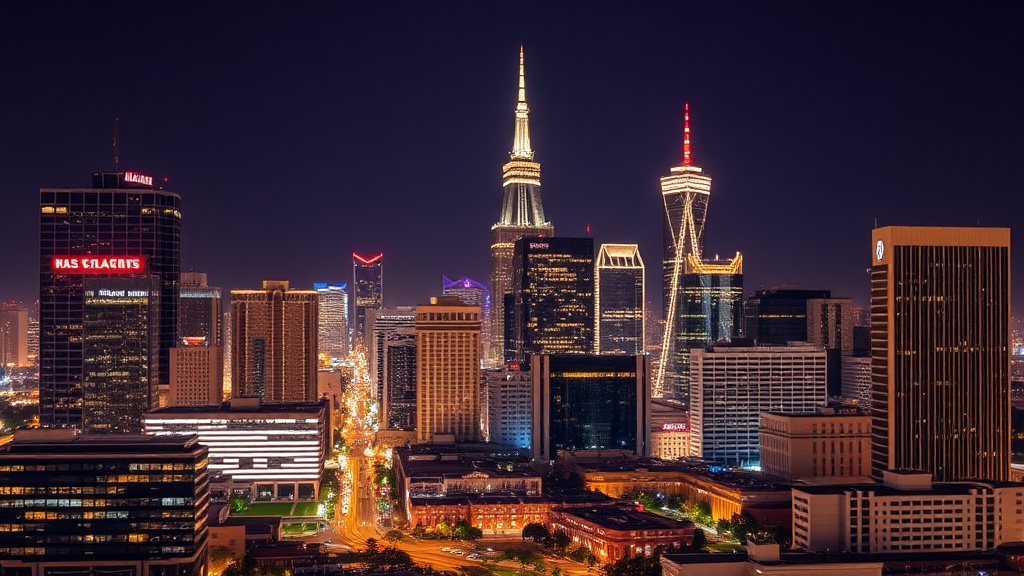
Dallas is in the middle of a transformation that touches daily commutes, neighborhood life, and the city’s skyline. From transit expansion to new public spaces and rising demand for housing, several threads are shaping how people live, work, and move across the metro area.
Here’s a concise look at what matters for residents and anyone watching Dallas news.
Transit and connectivity
Transit projects are a high-impact part of Dallas’ future. Regional rail extensions and light-rail improvements are designed to make cross-suburban travel easier and to link major employment centers with neighborhoods that traditionally lacked fast public transit.
Expect continued construction activity, new station openings, and phased service rollouts that will gradually change commuting patterns.
For daily commuters, that means planning for temporary detours and construction delays while also watching new route maps and fare options as they are released.
Park-and-ride upgrades and increased frequency on select corridors are likely priorities, and connections to Dallas-Fort Worth Airport are getting more attention as airport capacity and passenger volumes grow.
Neighborhood revitalization and green space
Downtown and adjacent neighborhoods continue to attract investment in mixed-use projects, adaptive reuse of older buildings, and walkable amenities. Public-private efforts have expanded parks, trails, and riverfront improvements along the Trinity corridor, creating more options for outdoor recreation and community events. Urban parks and smaller pocket parks — along with projects that prioritize pedestrian access — are helping make denser neighborhoods feel livable.
Housing pressure and development
Strong job growth and corporate relocations have kept demand for housing high across Dallas.
That translates into continued multifamily construction in central neighborhoods as well as pressure on single-family housing in popular suburbs. Renters and buyers should monitor new development pipelines, permit activity, and local zoning decisions since these factors affect supply, affordability, and neighborhood character.
City officials and developers are increasingly balancing density with quality-of-life improvements. Expect more transit-oriented development near rail stations and neighborhood-level conversations about parking, school capacity, and green infrastructure as communities adapt to growth.
Economic outlook and corporate presence
A steady stream of corporate relocations and expansions has been a major driver of commercial real estate and job creation. The city’s tax incentives, central location, airport connectivity, and business-friendly climate continue to be key selling points for companies choosing Dallas as a base. That activity fuels demand for office space, hospitality services, and professional talent — but also raises questions about long-term office utilization, mixed-use planning, and workforce housing.
What residents should watch
– City council and transit board meetings: Decisions about zoning, tax incentives, and transportation funding are made here. Public participation can shape outcomes.
– Construction alerts and street closures: Follow local transportation agencies for detours and timeline updates.
– Neighborhood planning initiatives: Stay informed about planned developments that could affect traffic, schools, and property values.
– Housing programs and assistance: Keep an eye on municipal and nonprofit programs that aim to preserve affordability and support homeowners and renters.
Why it matters
The combined impact of transit investments, corporate activity, and neighborhood revitalization will determine daily quality of life and long-term affordability across Dallas. For residents and newcomers alike, staying informed about local news, planning meetings, and transit updates is the best way to anticipate change and take advantage of new opportunities.