Dallas Downtown Reimagined: Mixed-Use Development, Transit Upgrades and Trinity River Revitalization

Dallas is reshaping its skyline and street life as development, transit upgrades, and new public spaces converge to redefine downtown living and working. What was once a primarily corporate center is evolving into a mixed-use urban core that prioritizes walkability, green space, and diverse housing options — changes that are visible across the city’s neighborhoods and along the Trinity River corridor.
From offices to apartments: a changing downtown
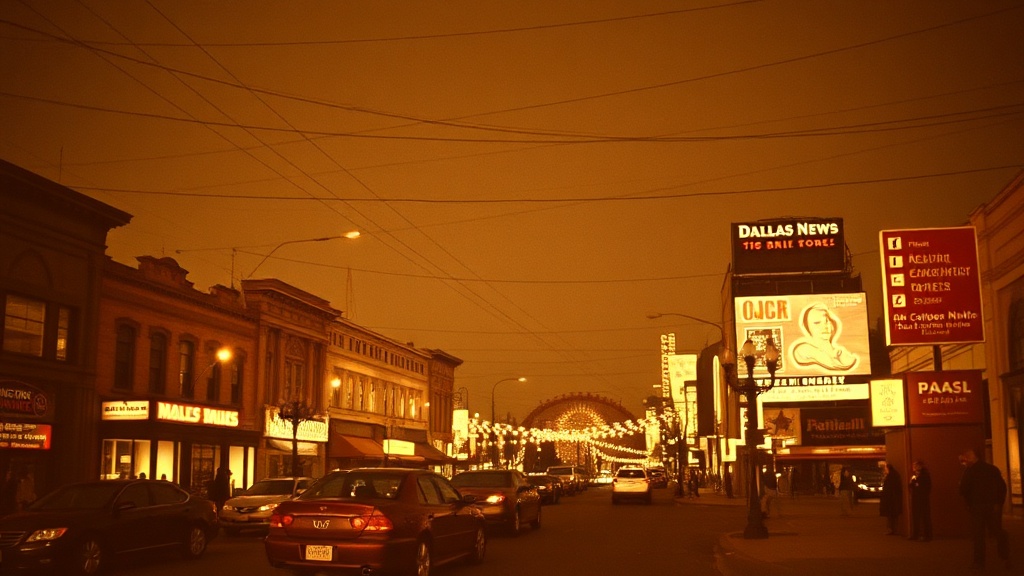
A sustained shift toward repurposing older office buildings into apartments and mixed-use properties is reshaping downtown’s footprint. Developers are responding to demand for urban living by converting underused commercial space, adding residential units, ground-floor retail, and amenities that attract young professionals, empty-nesters, and anyone seeking a live-work-play environment. This adaptive reuse trend helps breathe new life into aging structures while reducing the environmental impact of full demolition and new construction.
Transit improvements unlocking connectivity
Transit investments are improving connections between downtown, inner neighborhoods, and outlying suburbs. Light rail expansions and updated bus service focus on shorter commutes and stronger links to employment centers, cultural hubs, and stadium districts. Better transit access supports transit-oriented development, encouraging denser, walkable communities where more residents can leave cars at home.
Parks, waterways, and public realm upgrades
Public spaces are at the heart of the downtown transformation. Park projects and riverfront activation along the Trinity corridor are creating continuous recreational zones, bike trails, and event-ready green spaces that attract families and visitors.
Initiatives to expand tree canopy, improve stormwater infrastructure, and add seating and lighting aim to make the downtown core safer and more comfortable for longer stays.
Cultural anchors and nightlife
A vibrant arts scene and growing entertainment offerings bolster downtown’s appeal. Museums, performance venues, and pop-up cultural programming draw diverse audiences while new restaurants and late-night options energize neighborhoods after business hours. These cultural anchors help shift perceptions of downtown from a daytime employment district to a full-time urban destination.
Affordability and equity challenges
Rapid development brings economic benefits, but it also raises questions about affordability and inclusive growth.
Rising rents in desirable neighborhoods put pressure on longtime residents and local businesses.
City leaders and community groups are exploring policies that promote affordable housing, preserve small businesses, and ensure that public investments benefit a broad cross-section of residents.
What to watch next
Expect continued focus on mixed-use projects, transit-oriented neighborhoods, and riverfront activation. Watch for community engagement efforts around zoning and public realm improvements, plus private-sector projects that bring new retail and cultural uses to underutilized sites.
Sustainability and resilience are likely to remain central priorities as developers and planners seek to mitigate flooding risk while enhancing urban livability.
For residents and visitors, the downtown experience is changing fast: more places to eat, live, and play, better walkability, and new public spaces that invite people outdoors. Staying informed about planning meetings, public projects, and neighborhood initiatives is the best way to engage with the downtown transformation and help shape a vibrant, inclusive city center.