Downtown Dallas Reimagined: How Office-to-Residential Conversions Are Reviving the Urban Core

Downtown Dallas Reimagined: Office-to-Home Conversions Reshape the City Center
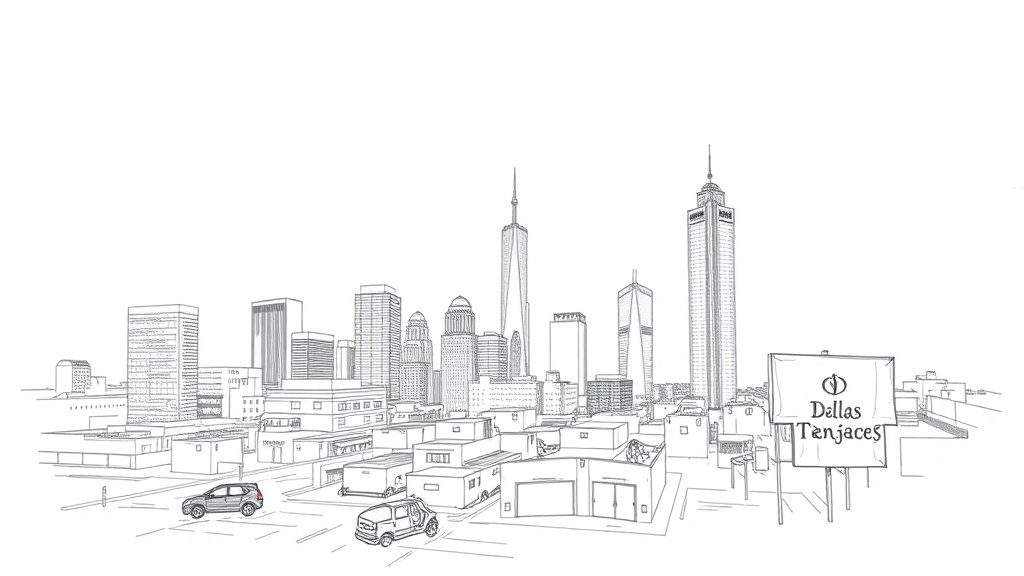
Dallas is undergoing a noticeable shift as vacant and underused office buildings are repurposed into housing and mixed-use projects. This trend is reshaping the urban core, creating new residential options, sparking retail revival and changing how people experience downtown neighborhoods.
Why conversions are accelerating
Several factors are driving demand for office-to-residential conversions. Hybrid and remote work patterns have reduced long-term office occupancy in many markets, leaving large floorplates and centrally located towers with rising vacancy. At the same time, demand for walkable urban living remains strong among young professionals, empty nesters and people seeking shorter commutes.
City incentives, evolving zoning policies and financing tools for adaptive reuse make conversions more feasible for developers than ground-up construction.
Benefits for neighborhoods
Turning vacant offices into apartments or condos can bring vitality back to streets that once emptied after 5 p.m.
Residents support neighborhood retail, restaurants and services, improving safety and evening activity.
Mixed-use conversions often incorporate ground-floor retail or community spaces, which help fill storefronts and create jobs. Increased downtown residency can also boost transit ridership and encourage investments in public spaces and walkability upgrades.
Sustainability and preservation
Adaptive reuse is inherently more sustainable than demolition and new construction. Reusing structural elements reduces embodied carbon, minimizes waste and preserves architectural character—an attractive selling point for residents who value authenticity. Many projects include energy retrofits, green roofs or water-saving landscaping to further reduce operational costs and environmental impact.
Financial and technical challenges
Converting office buildings into housing is not always straightforward. Floor plate depth, column placement, window orientation and mechanical systems can complicate layouts, limiting natural light and efficient unit design. Costs for seismic, fire-safety, elevator and plumbing upgrades can add up.
Financing can be complex, too—feasible projects often need a mix of private capital, tax incentives and public support.
Policy solutions and incentives
Municipal actions play a crucial role in unlocking conversions.
Relaxing parking minimums, streamlining permitting for adaptive reuse, offering tax abatements, and creating targeted loan or grant programs can make projects more attractive to developers. Inclusionary housing policies or community benefit agreements can help ensure some portion of conversions serves lower- and moderate-income residents, addressing affordability concerns that often accompany downtown revitalization.
Community impacts to watch
While conversions can energize downtowns, they also raise questions about affordability, displacement and infrastructure capacity. New residents increase demand for grocery stores, schools, healthcare and green space. Local leaders and developers must engage communities to balance market-rate development with workforce and affordable housing options, and to plan for transportation and service needs.
What residents should monitor
Keep an eye on city planning commission agendas, public hearings on zoning changes and proposed incentives tied to adaptive reuse. Watch project pipelines for large office buildings transitioning to residential use and for associated retail or public-space commitments.
If neighborhood livability is a priority, participate in community meetings to advocate for balanced development that includes affordable units, transit access and public amenities.
The office-to-home conversion trend is an opportunity for Dallas to reinvent underused assets, support a 24/7 downtown economy and build more sustainable, walkable neighborhoods. With thoughtful policy and community engagement, these projects can strengthen the urban core while addressing broader housing and environmental goals.