Dallas Growth: What Neighborhood, Transit and Housing Changes Mean for Residents

Dallas’s growth is reshaping neighborhoods, transit and housing policy — and what that means for residents
Dallas continues to attract businesses, talent and investment, and the pressure of rapid growth is driving decisions that affect daily life across neighborhoods.
From major development projects to public transit investments and debates over housing affordability, the city’s trajectory is a key topic in local newsrooms and community forums.
Development and downtown dynamics
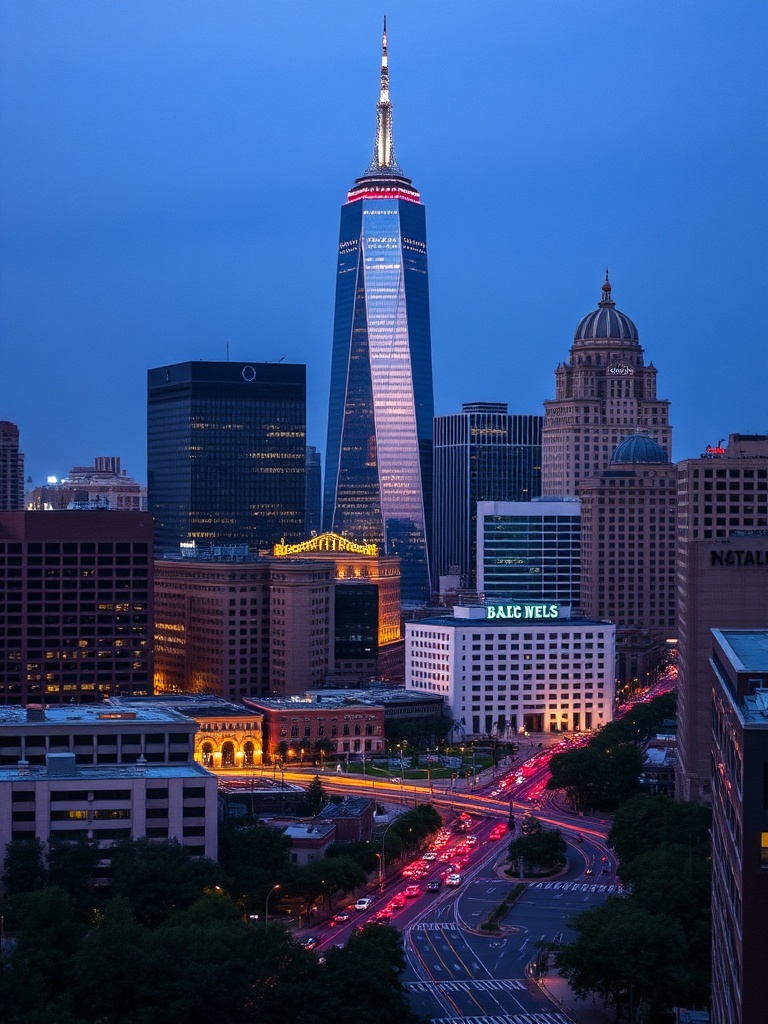
A wave of development has refreshed many parts of downtown and nearby corridors, with renewed interest in mixed-use projects that combine office, residential and retail space. Adaptive reuse of historic buildings is creating new housing and cultural venues while preserving neighborhood character. At the same time, smaller-scale infill development and multifamily complexes are changing street-level activity and bringing more 24/7 vibrancy to once quieter districts.
Transit investments and mobility options
Public transit and mobility remain central to conversations about how Dallas can grow sustainably. Expansion and modernization efforts for light rail and commuter services aim to improve connectivity between neighborhoods, employment centers and regional hubs.
Investments in bus rapid transit, bike lanes and pedestrian improvements are also part of a broader push to give people reliable alternatives to driving — a key factor for reducing congestion and improving air quality as the metro area expands.
Housing affordability and policy responses
Housing affordability is a persistent issue as demand rises.
Rising rents and home prices are prompting local leaders to explore a range of policy responses: incentives for developers to include affordable units, updates to zoning that allow for more diverse housing types, and partnerships with nonprofit developers to expand the stock of income-restricted housing. Community land trusts and preservation of existing affordable properties are gaining attention as tools to keep long-term residents from being displaced.
Neighborhoods and quality of life
Quality-of-life initiatives — from park improvements and tree-planting programs to better lighting and public safety measures — are being used to support livable neighborhoods as density increases.
The Trinity River corridor continues to be a focal point for large-scale greenway and recreational projects designed to connect neighborhoods and spur economic activity along the riverfront.
Workforce, corporate presence and the local economy
Corporate relocations and expansions contribute to economic momentum, creating demand for commercial space and shifting commuting patterns.
That growth also places strain on infrastructure and housing, prompting more conversations about transit-oriented development and the need for workforce housing close to job centers. Local workforce development programs and community colleges are adapting to supply trained talent for growing industries while aiming to ensure opportunities are accessible across neighborhoods.
Community engagement and planning
Residents and neighborhood associations play an active role in shaping development outcomes. Public meetings, advisory boards and participatory planning efforts are increasingly common as city leaders try to balance growth with community priorities. Transparent zoning decisions, timely impact studies and equitable community benefit agreements help build trust and improve project outcomes.
What residents can watch for
Keep an eye on planned transit service changes, major development proposals near downtown and along key corridors, and city policy proposals related to zoning and affordable housing. Public comment periods and city council meetings are good opportunities to weigh in. For those considering a move within the metro area, watching where transit investments and mixed-use projects are concentrated can provide clues about future neighborhood demand and lifestyle amenities.
Dallas’s trajectory will depend on how well policymakers, developers and residents align growth with livability goals.
The conversations happening now are shaping the city’s next phase — from how people get around to what kinds of homes are available and where new jobs will be located.