Dallas Cowboys’ Keys to Success: Offense, Pass Rush, Depth & What to Watch

The Dallas Cowboys remain one of the league’s most watched teams thanks to a blend of star power, scheme flexibility, and national attention. For fans and analysts alike, success hinges on how well the team balances explosive offense with a consistent pass rush and depth up front.
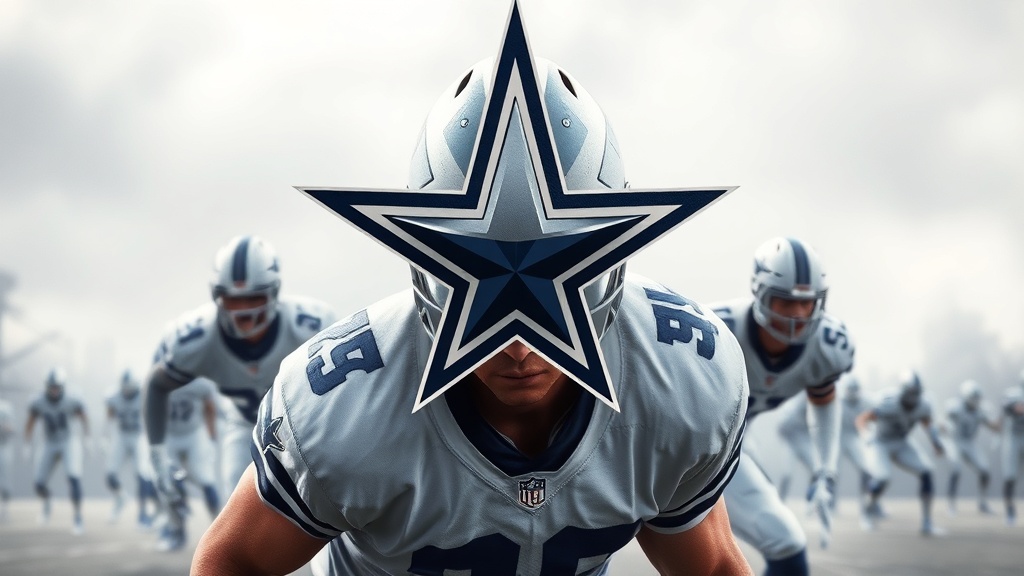
Here’s a look at the defining elements that will determine the Cowboys’ trajectory and what to watch going forward.
Offense: explosive passing, evolving balance
At the center of the Cowboys’ offense is an elite passing attack that thrives on timing, chemistry, and schematic creativity. The quarterback–wide receiver connection anchors big-play potential, and route concepts that emphasize separation and yards-after-catch opportunities make the unit difficult to defend. Maintaining health and continuity on the offensive line is critical; when protection holds up, the offense creates explosive plays and sustains drives.
Key offensive metrics to watch:
– Pass pressure allowed and the quarterback’s time to throw
– Target distribution and yards after catch for the top receiving options
– Third-down conversion rate and red-zone efficiency
Run game and play-action remain essential complements. Efficient rushing not only keeps defenses honest but also fuels play-action success, which in turn opens up vertical shots. Offensive creativity—pre-snap motion, spacing, and tempo—can compound mismatches against modern defensive schemes.
Defense: building around a game-changing pass rusher
Defensive identity rests on disruptive playmakers who can alter an opponent’s game plan. A high-level edge rusher who can win one-on-one matchups creates pressure even without blitzing, allowing defensive coordinators to mix coverages and create turnovers. Versatility—players who can rush the passer and drop into coverage—adds a valuable chesspiece for situational football.
Defensive performance indicators to monitor:
– Pass-rush win rate and pressures per dropback
– Opponent third-down conversion percentage
– Turnover generation and points allowed off turnovers
Depth and scheme adaptability matter. Teams that can rotate fresh pass rushers and maintain gap integrity in the run game are better positioned to sustain performance across a long campaign.
Special teams and situational football
Close games often hinge on special teams execution and situational awareness. Field-position battles, kickoff returns, and consistent placekicking can decide tight contests. Coaches who emphasize detail—assignment soundness on returns, disciplined coverage, and reliable kicking—get a measurable edge in swing games.
Roster construction: balancing stars and depth
Cap flexibility and smart drafting are vital. High-impact stars are necessary for headline-making plays, but depth in the trenches—both offensive and defensive—keeps a roster resilient when injuries occur. Developing younger players through rotational snaps while signing veterans for key roles is a sensible formula for maintaining competitiveness.
What fans should watch
– Health and availability of the core stars: continuity matters more than hype
– Offensive line performance: protection and run-blocking are foundational
– Defensive pressure and opponent third-down efficiency: indicators of sustained defensive success
– Midseason roster moves and how they affect depth in critical positions
The franchise’s combination of high-profile talents and organizational resources keeps expectations high. When the offense maintains balance and the defense generates consistent pressure without sacrificing coverage, the team becomes a formidable opponent week in, week out.
Fans who track the right metrics—pressure rates, third-down defense, and red-zone efficiency—will see the true story behind the headlines and better understand the path to sustainable success.