Dallas Real Estate 2026: Neighborhoods to Watch, New-Construction Insights & Investor Buying Tips

Dallas real estate remains a magnet for homebuyers, investors, and people relocating for jobs and lifestyle.
Strong job growth across tech, healthcare, finance, and corporate relocations into the Dallas–Fort Worth metro area keeps demand high, while a diverse mix of neighborhoods offers options from urban condos to sprawling suburban family homes.
Market snapshot
The Dallas market balances robust buyer interest with pockets of inventory constraints.
Demand is driven by job opportunities, relatively favorable tax structure—no state income tax—and a business-friendly environment that attracts companies and talent. That combination supports steady long-term appreciation potential, while local development and infrastructure projects continue to shape neighborhood desirability.
Neighborhoods to watch
– Uptown and Oak Lawn: Popular with young professionals seeking walkable nightlife, restaurants, and easy access to downtown jobs. Condos and townhomes dominate, with strong rental appeal.
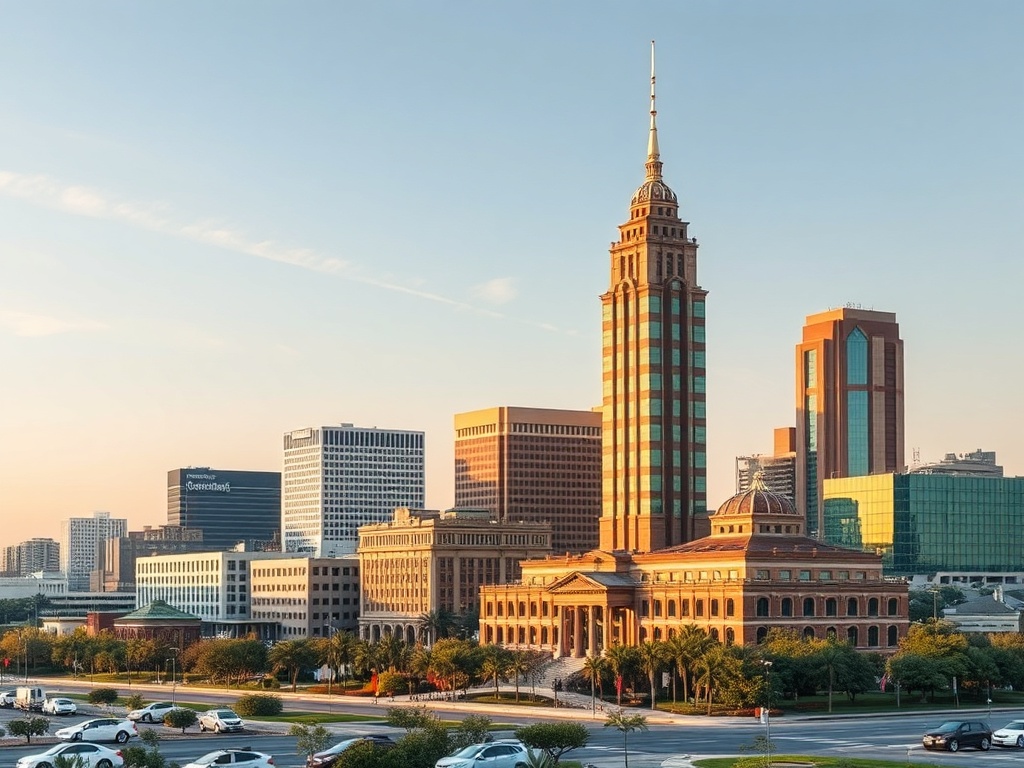
– Bishop Arts District and West Dallas: Known for independent shops, creative dining, and a community feel. Great for buyers prioritizing character and short commutes.
– Lower Greenville and Knox/Henderson: Lively bar and dining scenes attract renters and buyers looking for an active street life.
– East Dallas (Lakewood, White Rock): Offers older, charming homes and proximity to parks and lakes—appealing to families.
– Suburban growth corridors (Frisco, Plano, Richardson): Excellent schools, master-planned communities, and corporate campuses make these areas popular for families and investors seeking new-construction homes.
New construction and development
Mixed-use developments, infill projects, and transit-oriented communities are changing the cityscape. Projects near DART light rail lines and the Trinity River corridor are boosting walkability and long-term value in several neighborhoods. Buyers considering new construction should weigh builder incentives, upgrade costs, and the potential for appreciation versus resale of comparable resale homes.
Investment considerations
Rental demand remains strong in many Dallas neighborhoods, particularly near major employment centers, universities, and transit lines. Key metrics to evaluate include cash-on-cash return, cap rate, vacancy trends, and local rental regulations.
Property taxes in Texas tend to be higher than the national average, so factor tax bills and homestead exemptions into cash-flow models. Single-family rentals can perform well in suburban markets, while downtown condos and townhomes often yield good returns in urban cores with limited supply.
Buying tips for buyers and investors
– Get mortgage pre-approval before seriously searching; competitive offer environments reward preparedness.
– Work with a local agent who knows micro-market dynamics, school boundaries, and HOA rules.
– Look at recent comparable sales, days on market, and price trends rather than headline numbers alone.
– Inspect for age-related issues in older Dallas homes—roofing, plumbing, and foundation concerns can affect renovation budgets.
– Consider long-term plans: resale value benefits from proximity to transit, parks, and high-performing school districts.
Challenges to watch
Affordability pressures in popular neighborhoods and rising construction costs can slow supply. Buyers should remain realistic about budgets and timelines. Investors must monitor tenant demand shifts, interest-rate environments, and local ordinances that could affect short-term rentals or lease rules.
Whether buying a first home, upgrading, or investing, Dallas real estate offers varied opportunities. Prioritize neighborhood fit, total cost of ownership, and long-term demand drivers to make a well-informed decision, and research local market data and comparables before committing.