Dallas Real Estate 2026: Trends, Top Neighborhoods to Watch, and Smart Investment Tips

Dallas real estate continues to attract buyers, renters, and investors drawn by job growth, lifestyle options, and relatively strong affordability compared with many coastal metros. The market is dynamic: demand is shifting between urban walkable neighborhoods and spacious suburbs, while developers repurpose older office and industrial buildings into mixed‑use and residential projects. Understanding current trends can help buyers and investors make smarter decisions.
What’s driving demand
A diverse economy with major employers across technology, healthcare, finance, and logistics keeps steady housing demand. Hybrid work models mean many residents prioritize both commute-friendly access and at-home space, creating opportunity across multiple property types: downtown condos for urban amenity seekers, single-family homes in tree-lined neighborhoods, and newer suburban developments offering larger lots and good schools.
Neighborhoods to watch
– Uptown and Oak Lawn: Popular with young professionals seeking nightlife, restaurants, and walkability; condos and townhomes perform well for short‑term renters and owner-occupiers.
– Bishop Arts and West Dallas (Trinity Groves): Strong lifestyle appeal, creative retail, and restaurant scenes; attractive for buyers who value neighborhood character and walkable streets.
– East Dallas and Lakewood: Offer established single-family homes near parks and reputable schools, appealing to families.
– Suburban growth corridors (northern suburbs and inner-ring suburbs): New master-planned communities and good school districts continue to draw families and investors looking for longer-term appreciation.
Supply, construction, and conversions
Construction activity today is focused on mixed‑use developments, infill projects, and adaptive reuse of underused commercial space.
Office-to-residential conversions are particularly active where downtown vacancy creates repurposing opportunities. New rental communities address demand, but inventory remains tight in desirable price bands, supporting rent growth and stable occupancy for well-located assets.
Investment considerations
Rental demand stays resilient, making single-family rentals and multifamily investments attractive. Key considerations:
– Location matters: Proximity to employment centers, transit, schools, and lifestyle amenities drives occupancy and rent premiums.
– Regulations: Short-term rental rules vary by neighborhood and municipality; verify zoning and permit requirements before listing.
– Taxes and insurance: Property taxes are a notable ongoing cost; explore homestead exemptions and appeal processes if assessments seem high. Check floodplain maps and insurance requirements, especially for River or low-lying properties.
Practical tips for buyers and sellers
– Buyers: Get mortgage preapproval and prioritize neighborhoods that match your lifestyle and resale goals.
Factor in property taxes, HOA fees, and potential renovation costs.
– Sellers: Stage to highlight functional living space and outdoor areas.
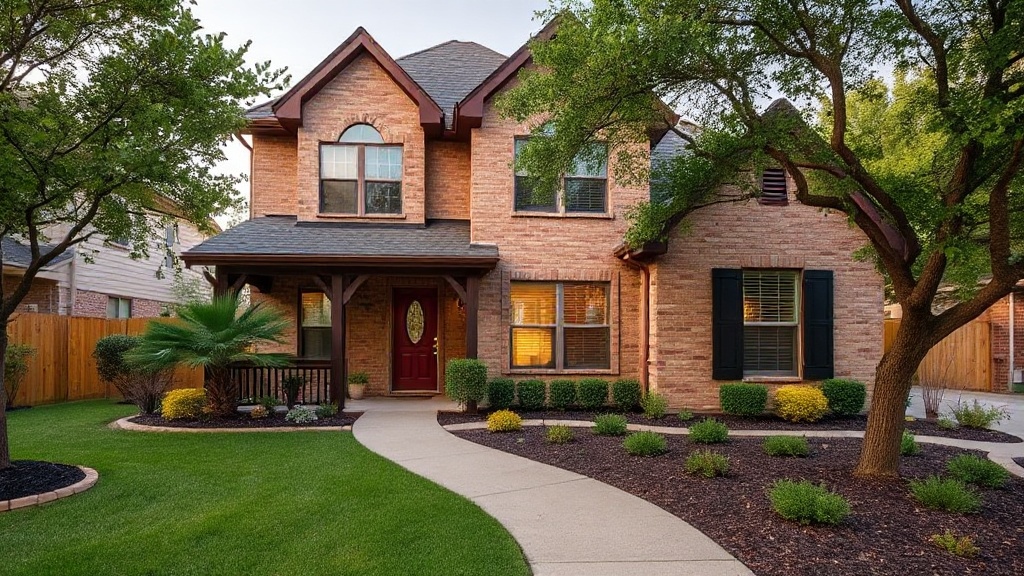
Timing and pricing competitively based on recent comparable sales will help properties sell faster.
– Investors: Run conservative cash‑flow models, consider property management for out‑of-area ownership, and plan for capital expenditures on older properties.
How to stay informed
Work with local real estate professionals who monitor neighborhood-level data, zoning changes, and development pipelines. Keep an eye on transit expansions and major corporate relocations—these often precede shifts in demand. Regularly review rental listings and sold comps to understand current values and rent ranges.
Dallas real estate offers opportunities across price points and property types for those who research neighborhoods, account for local costs, and align purchases with long-term goals. Whether buying a primary residence, an investment property, or selling to capture equity, understanding local dynamics and working with informed advisors will improve outcomes.