Dallas Real Estate 2026: Market Trends, Neighborhoods to Watch, and Smart Buyer & Investor Strategies

Dallas real estate remains one of the most dynamic markets in the country, driven by strong job growth, steady in-migration, and a wide range of housing options that appeal to first-time buyers, growing families, and investors alike.
Whether you’re looking for a walkable urban condo, a historic bungalow, or a spacious suburban home, understanding current neighborhood trends and market drivers will help you make smarter decisions.
What’s fueling demand
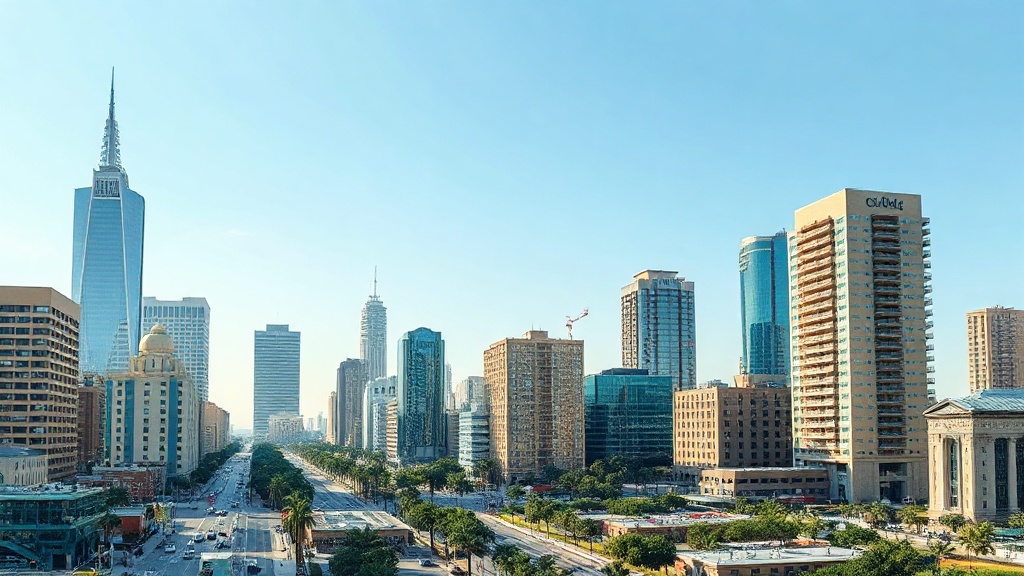
Several factors continue to support demand across the Dallas area: major employers expanding locally, a favorable tax environment with no state income tax, and a relatively lower cost of living compared with many coastal metros. Remote and hybrid work patterns have shifted buyer preferences toward homes with flexible office space and access to green space. At the same time, younger buyers and professionals are gravitating to vibrant urban neighborhoods with nightlife, dining, and short commutes.
Neighborhoods to watch
– Central and near-in neighborhoods: Uptown, Deep Ellum, Lower Greenville, and Oak Cliff remain popular for people seeking walkability, restaurants, and entertainment. New mixed-use development and condo projects keep inventory fresh.
– Emerging pockets: Areas with ongoing infill and revitalization—such as Bishop Arts and parts of South Dallas—offer value opportunities and strong appreciation potential as amenities follow investment.
– Suburban growth: Communities north of the city, including fast-growing suburbs with strong schools and new corporate offices, continue to attract families looking for larger homes and yards.
Supply and pricing dynamics
Inventory levels and mortgage costs are the two levers that most affect buying power.
Inventory fluctuates by neighborhood: some central areas have more new-construction condos and townhomes, while desirable single-family neighborhoods remain tight.
Sellers can still command premium pricing in competitive pockets, but buyers who are patient and strategic—targeting days when new listings drop to market or focusing on homes needing updates—can find opportunities.
Investment considerations
Buyers seeking rental income should evaluate neighborhoods with strong rental demand: proximity to employment centers, universities, and transit generally delivers the most consistent occupancy.
Look at rent-to-price ratios, local job pipelines, and planned public or private investment. For short-term rentals, check local regulations and HOA rules; some communities restrict short-term leasing.
Financing and taxes
Mortgage accessibility and financing products vary by lender—shop multiple lenders for the best combination of rate, fees, and flexibility. Keep in mind that property taxes are a major ongoing cost in the area; however, the lack of state income tax can offset that burden for many households. Always run net cash-flow scenarios when evaluating investment properties.
Practical tips for buyers and sellers
– Buyers: Get pre-approved, prioritize must-haves vs. nice-to-haves, and be ready to move quickly in competitive neighborhoods. Consider inspections and renovation budgets when evaluating older homes.
– Sellers: Stage and declutter for top-dollar presentation.
Price realistically to attract showings and consider timing listings to coincide with local buying cycles.
– Investors: Focus on neighborhoods with job growth and tenant demand, and account for vacancy, maintenance, and property management costs in your projections.
The big picture
Dallas continues to offer diverse housing options and solid long-term potential for homeowners and investors. Market specifics vary widely by neighborhood, so local expertise pays dividends. Start with clear goals, a realistic budget, and a trusted local agent or advisor to navigate listings, negotiations, and due diligence.