Dallas real estate

Dallas real estate: what buyers and investors need to know
Dallas remains a dynamic market where job growth, new development, and shifting buyer preferences shape opportunities. Whether you’re a first-time buyer, investor, or relocating household, understanding local trends helps make smarter decisions in a market that rewards preparation.
Why demand stays strong
A robust regional economy continues to attract people and employers. Corporate relocations and expansions, along with a vibrant mix of healthcare, finance, logistics, and tech jobs, sustain long-term housing demand.
That demand is supported by steady migration from higher-cost metros, which keeps interest in both close-in urban neighborhoods and fast-growing suburbs.
Where growth is happening
Suburban corridors remain active, with communities north and northeast of the city drawing families with newer schools, larger yards, and extensive master-planned developments. At the same time, urban infill and adaptive reuse projects feed appetite for walkable neighborhoods and mixed-use lifestyles.
Areas known for dining, entertainment, and transit access are especially popular among young professionals and downsizers seeking lower-maintenance living.
Price trends and affordability
After a period of quick price growth, appreciation has moderated as the market balances supply and demand. Affordability is relative: Dallas typically compares favorably to coastal metros, but buyers are mindful of mortgage cost dynamics and are recalibrating budgets accordingly. Condos and townhomes offer a path to ownership for those priced out of single-family neighborhoods, while resale homes in established parts of the city can present opportunities for value-conscious buyers.
Rental market and investment outlook
Strong rental demand continues as some households postpone buying or rent by choice. This benefits investors targeting steady cash flow, particularly in neighborhoods near employment centers and universities. New-construction rental communities compete with single-family rentals, so careful underwriting and neighborhood-level research are essential. Investors should model for realistic vacancy, maintenance, and management costs rather than assuming rapid appreciation.
Development and infrastructure to watch
Mixed-use projects and transit-oriented development are reshaping parts of the city, improving walkability and long-term desirability. Improvements to light rail corridors and highway access influence micro-markets, often lifting nearby residential and retail demand.
Keep an eye on zoning changes and new commercial anchors that can create ripple effects in surrounding neighborhoods.
Tips for buyers and investors
– Get preapproved and aligned with a lender before shopping—certainty of financing is a major advantage.
– Prioritize location and long-term market fundamentals over short-term pricing swings.
– Factor in total cost of ownership: taxes, insurance, HOA fees, and maintenance can alter affordability significantly.
– For investors, run conservative cash-flow projections and plan for professional property management if not local.
– Consider inspections and contingency timing carefully to avoid surprises in negotiations.
Working with local experts
Local agents and lenders who know Dallas micro-markets provide an edge—especially when inventory is limited or competition is strong.
Lawyers or title professionals experienced with Texas real estate can help navigate contract details and closing norms.
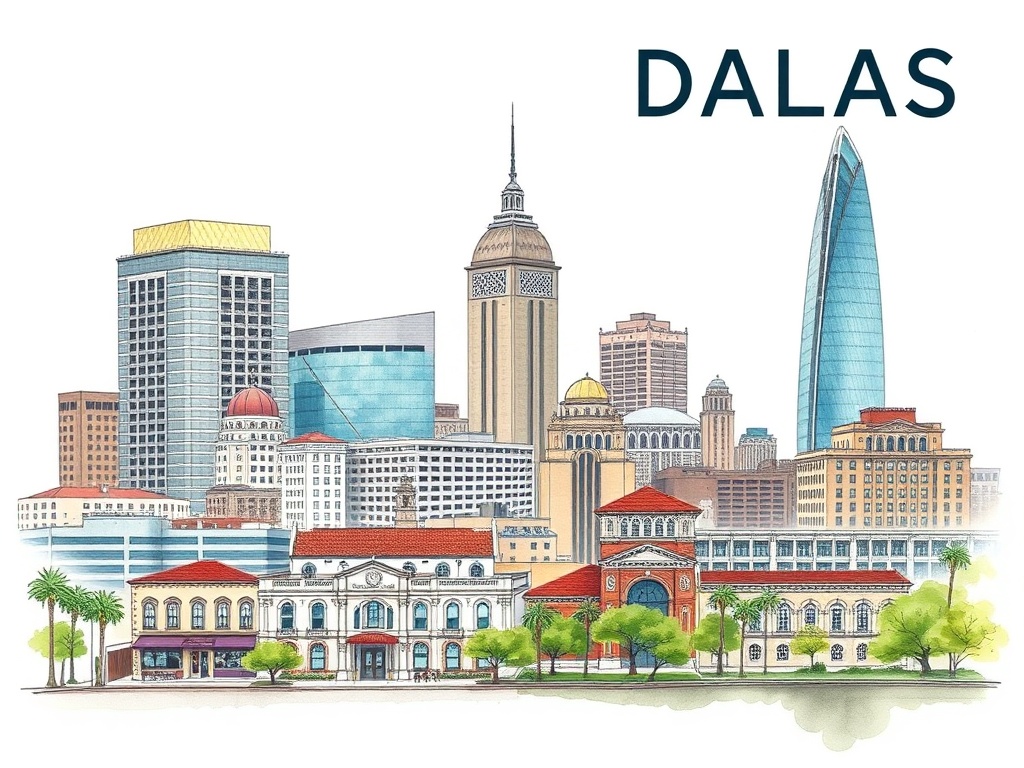
Dallas real estate offers variety: from urban condos and historic bungalows to sprawling suburban new builds. With thoughtful strategy and neighborhood-focused research, buyers and investors can find properties that match lifestyle goals and financial objectives.