Dallas at a Turning Point: How Growth, Housing, and Transit Are Reshaping Neighborhoods

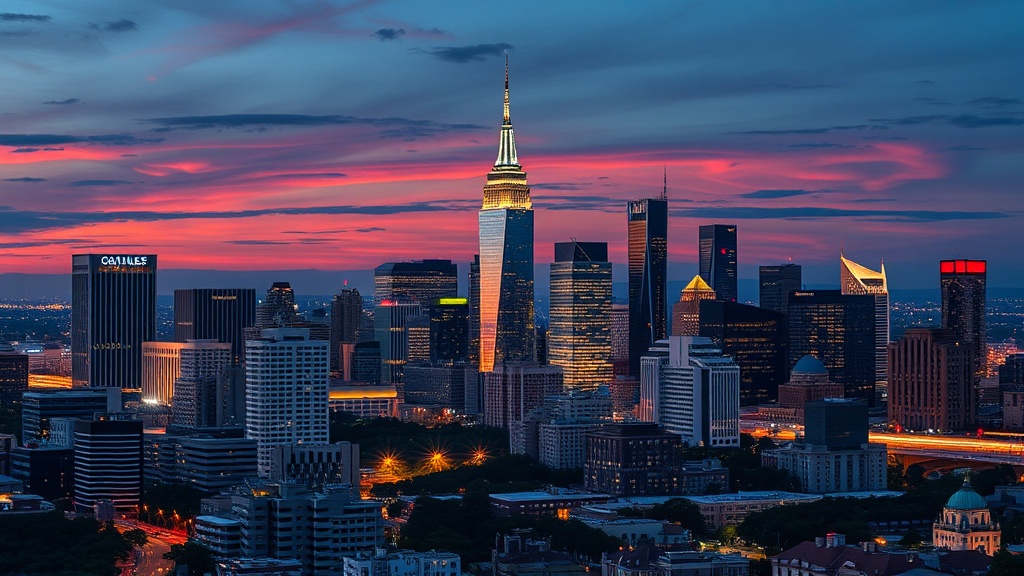
Dallas is at a turning point: population growth, major development projects, and shifting transportation priorities are reshaping neighborhoods and daily life. For residents and visitors alike, understanding how these forces interact helps make better decisions about where to live, commute, and invest.
Growth and housing pressure
A steady influx of workers and businesses has driven demand for housing across the Dallas metro area. New apartment towers and mixed-use developments are concentrated downtown and along key corridors, while older neighborhoods face renewed interest from buyers and developers. That combination is pushing rents and home prices upward in many pockets, even as suburbs continue to grow.
For renters and buyers, the practical response is twofold: prioritize walkable neighborhoods with access to transit and amenities, and be proactive in the market — options that tick both boxes tend to move quickly. Community land trusts and non-profit housing initiatives are also expanding, aiming to protect affordability in neighborhoods experiencing rapid change.
Transit, connectivity, and DART projects
Public transit and mobility projects are central to Dallas’s plans to manage growth. Light rail extensions, new bus rapid transit routes, and investments in first- and last-mile solutions are easing commutes for many residents. Riders should sign up for transit agency alerts and monitor proposed route changes at public meetings — those updates often spell out timing for service changes and construction impacts.
Micromobility options like shared scooters and bike lanes are also more prevalent, especially near university campuses and business districts. Combining micromobility with transit can make many commutes faster and cheaper, particularly where parking and congestion are pain points.
Downtown and neighborhood revitalization
Efforts to revitalize downtown and older commercial corridors continue to attract restaurants, arts venues, and boutique retailers. Adaptive reuse projects — turning former warehouses or office buildings into housing, galleries, and co-working spaces — are giving historic areas new life while preserving local character.
Neighborhood-level initiatives are increasingly focused on public spaces: pocket parks, tree planting, and improved street lighting are common priorities. Residents who want to influence the direction of nearby redevelopment should engage with neighborhood associations and planning commission hearings; thoughtful participation can steer projects toward community benefits like affordable units and green space.
Climate resilience and infrastructure
Dallas faces typical climate-related challenges for a large metropolitan area: heat, heavy rain events, and occasional flooding.
City and county investments in stormwater infrastructure, expanded tree canopy programs, and cooling centers are part of resilience planning. Homeowners and businesses should check flood-zone maps before buying, consider landscaping that manages runoff, and stay informed about emergency preparedness options.
Public safety and community relations
Public safety remains a central topic in local conversations, with emphasis on community policing, emergency response times, and support services for mental health and homelessness. Many cities are experimenting with alternative responder models for nonviolent crises — keeping residents informed about pilot programs helps community members understand and evaluate outcomes.
What to watch and how to stay informed
– Monitor city council and transit authority agendas; early public comment opportunities often shape final decisions.
– Follow local business associations and chamber updates for job and development announcements.
– Subscribe to neighborhood listservs and community groups to get hyperlocal news on zoning, safety, and events.
– Use official emergency alert systems and transit notifications to stay ahead of disruptions.
Dallas’s story is one of rapid change balanced with grassroots action. For anyone living in or watching the city, staying engaged with planning processes and local organizations will be the most effective way to influence how growth benefits communities across the region.