Dallas news

Dallas news: How downtown revitalization is reshaping the city’s future
Dallas is experiencing a visible transformation as downtown and nearby neighborhoods evolve into denser, more walkable districts that blend work, housing, culture, and green space.
From adaptive reuse of historic buildings to new mixed-use developments, the momentum is reshaping how residents live, commute, and spend leisure time.
What’s driving the change
A mix of private investment and public planning is fueling downtown revitalization. Developers are converting older office towers into apartments and hotels, responding to growing demand for city-center living.
At the same time, public projects create more inviting streetscapes and parks that encourage walking and outdoor activity. These combined efforts are positioning downtown as not only a business hub but a vibrant neighborhood with amenities for a wider range of residents.
Key neighborhood shifts
Neighborhoods adjacent to the central business district are benefiting from spillover development. Entertainment and arts corridors are getting new life through restaurants, galleries, and performance venues that attract evening and weekend crowds. Residential neighborhoods are seeing a mix of new construction and rehabilitated historic homes, offering more housing variety—loft-style units, townhomes, and transit-oriented apartments—that appeal to different lifestyles.
Transit and connectivity
Improved transit options are central to making downtown more accessible. Investments in commuter and light rail, bus service enhancements, and pedestrian-friendly infrastructure are helping reduce reliance on cars for short trips. Pedestrian and bike lanes, along with last-mile solutions like scooters and microtransit pilots, are increasingly common. Better connectivity between downtown and surrounding neighborhoods supports local businesses and reduces congestion.
Parks, public space, and placemaking
Parks and green projects play a major role in placemaking efforts. High-profile parks and riverfront improvements provide gathering spaces for events, pop-ups, and everyday recreation. These public assets also increase property values and attract retail and dining establishments, reinforcing a cycle of investment that benefits both residents and businesses.
Economic implications
As downtown becomes more mixed-use, the local economy is diversifying beyond traditional office employment. Hospitality, creative industries, retail, and tech-focused firms find new opportunities in revitalized urban cores.
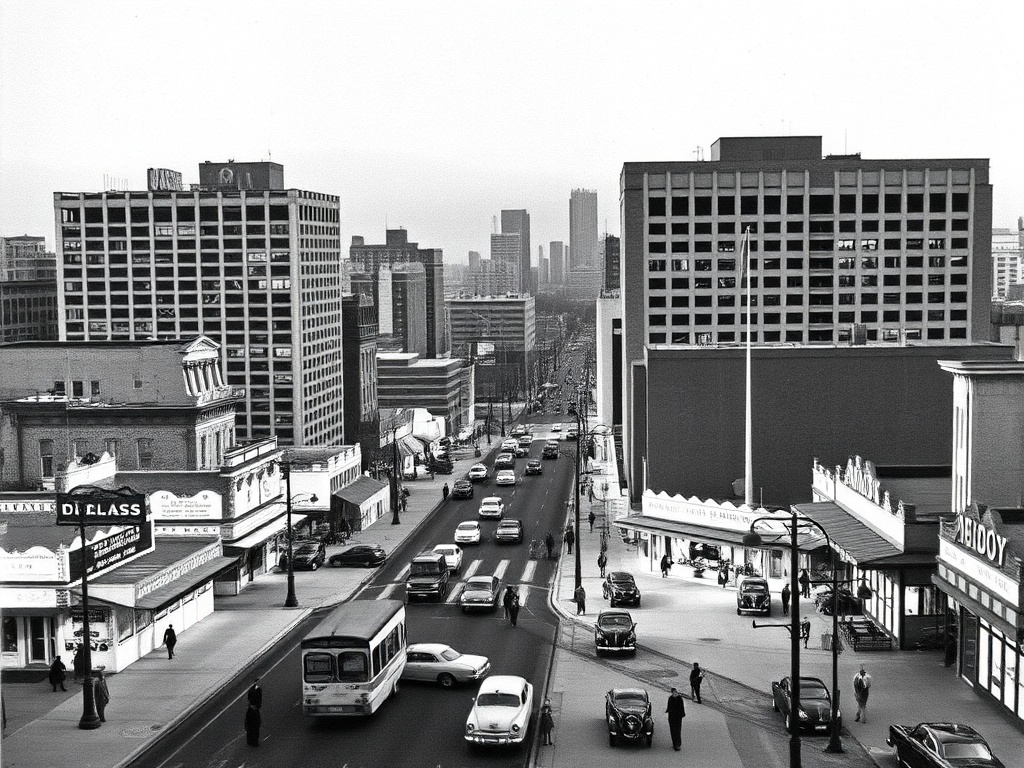
Corporate relocations and expansions in the region continue to support job growth, while small businesses benefit from increased foot traffic and a broader customer base.
Housing and affordability challenges
Rapid change brings challenges—chief among them housing affordability. Increased demand in desirable central neighborhoods can push prices up, so city and nonprofit initiatives aim to preserve affordable units and encourage inclusionary development.
Policy tools such as density bonuses, incentives for affordable housing in new projects, and adaptive reuse of underutilized properties are part of the toolkit local leaders are exploring.
Community engagement and equity
Successful revitalization balances growth with equity. Community engagement efforts are increasingly important to ensure that improvements serve long-term residents as well as newcomers.
Programs that support small-business owners, preserve cultural heritage, and provide workforce training help make revitalization more inclusive.
What to watch
Look for continued partnerships between public agencies and private developers, innovative uses of public space, and transportation solutions that prioritize access and sustainability.
As downtown evolves, the greatest success will come from projects that blend economic opportunity with livability, ensuring Dallas remains a dynamic place to live, work, and play.