Downtown Dallas Adaptive Reuse: How Office-to-Residential Conversions and Mixed-Use Development Are Reshaping the Urban Core

Downtown Dallas is undergoing a visible transformation as older office towers are reimagined as places to live, work, and play. What started as isolated pilot projects has become a broader trend: adaptive reuse and mixed-use development are reshaping the urban core, bringing new residents, retail options, and nightlife to areas that once emptied each evening.
Why conversions are happening
Several forces are driving this shift. Office demand has changed, creating vacancies that make adaptive reuse financially viable. At the same time, strong demand for urban housing—especially walkable, amenity-rich apartments—encourages developers to convert centrally located but underused office buildings. Public incentives, updated zoning rules, and creative financing tools are helping bridge the gap between renovation costs and projected rental income, making projects feasible that once looked impractical.
Neighborhood impact
Converted buildings are activating streets that used to go quiet after 5 p.m. Ground-floor restaurants, coffee shops, fitness studios, and small boutiques are following residents into downtown blocks, creating a more continuous urban experience. This activation also supports safer streets through more consistent pedestrian activity and eyes on the street.
Transit and connectivity
Transit access plays a key role. Properties near DART stations and major bus lines are especially attractive for conversions because residents can commute without relying on a car. Investments in bike lanes, shared mobility services, and improved pedestrian infrastructure are strengthening the appeal of downtown living.
The Trinity River corridors and green spaces add outdoor recreation options that complement urban amenities.
Economic and cultural benefits
The influx of residents supports job creation in construction, property management, hospitality, and retail. Cultural institutions, theaters, and galleries benefit from increased foot traffic, while festivals and public events gain new nearby audiences. A stronger downtown daytime and evening economy helps diversify revenue streams for the city and can spur further investment.
Challenges to manage
The trend brings challenges that demand deliberate planning. Infrastructure capacity—roads, water systems, and public transit—must be assessed to handle increased residential density. Parking remains a contentious issue; conversions often reduce parking supply, pushing cities and developers to invest in shared parking solutions, transit incentives, and micro-mobility. Affordability is another concern: if conversions create high-end rentals only, they risk excluding essential workers and long-time residents. Thoughtful policy tools like inclusionary zoning, targeted subsidies, and community benefit agreements can help maintain mixed-income neighborhoods.
What residents and investors should watch
– Project mix: Look for developments that include ground-floor retail, green space, and fitness or coworking amenities—these features help sustain long-term demand.
– Transit accessibility: Proximity to DART or major transit corridors enhances rental appeal and resale value.
– Developer track record: Experienced adaptive-reuse teams navigate historic preservation, permitting, and financing more efficiently.
– Community plans: Projects aligned with city urban revitalization and infrastructure plans are less likely to face delays or opposition.
A longer-term outlook
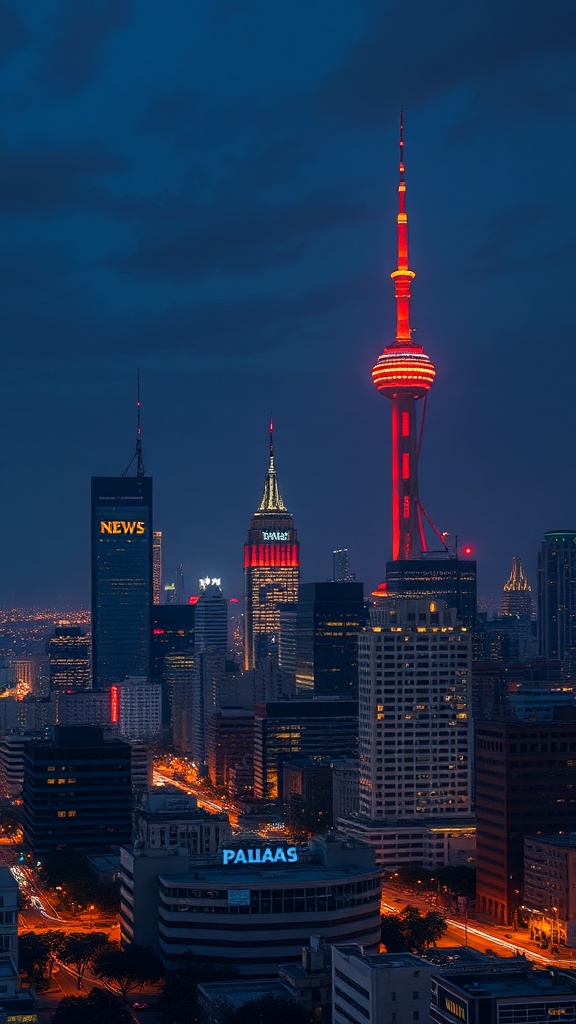
Adaptive reuse and mixed-use revitalization are changing downtown Dallas from a primarily business-centered district into a more balanced urban neighborhood. When carefully planned, this evolution supports a vibrant, 24/7 downtown with cultural richness, improved walkability, and diverse housing options. For residents, workers, and investors paying attention to transit, amenities, and affordability strategies, the changing skyline offers fresh opportunities without sacrificing what makes Dallas neighborhoods distinct.