Dallas Real Estate Guide: Neighborhoods to Watch, Transit Upgrades, and Smart Moves for Buyers, Renters & Investors

Dallas is reshaping how people live, work, and play, and that matters whether you’re moving to the area, investing in property, or following civic trends. Growth, transit investment, and neighborhood reinvention are driving dramatic change across the city—here’s what to watch and how to navigate it.
What’s driving change in Dallas
Population and job growth are fueling demand for housing and amenities. Tech companies, health-care projects, and corporate relocations are expanding the local job market, while downtown and neighborhood infill projects are transforming underused commercial corridors into mixed-use destinations.
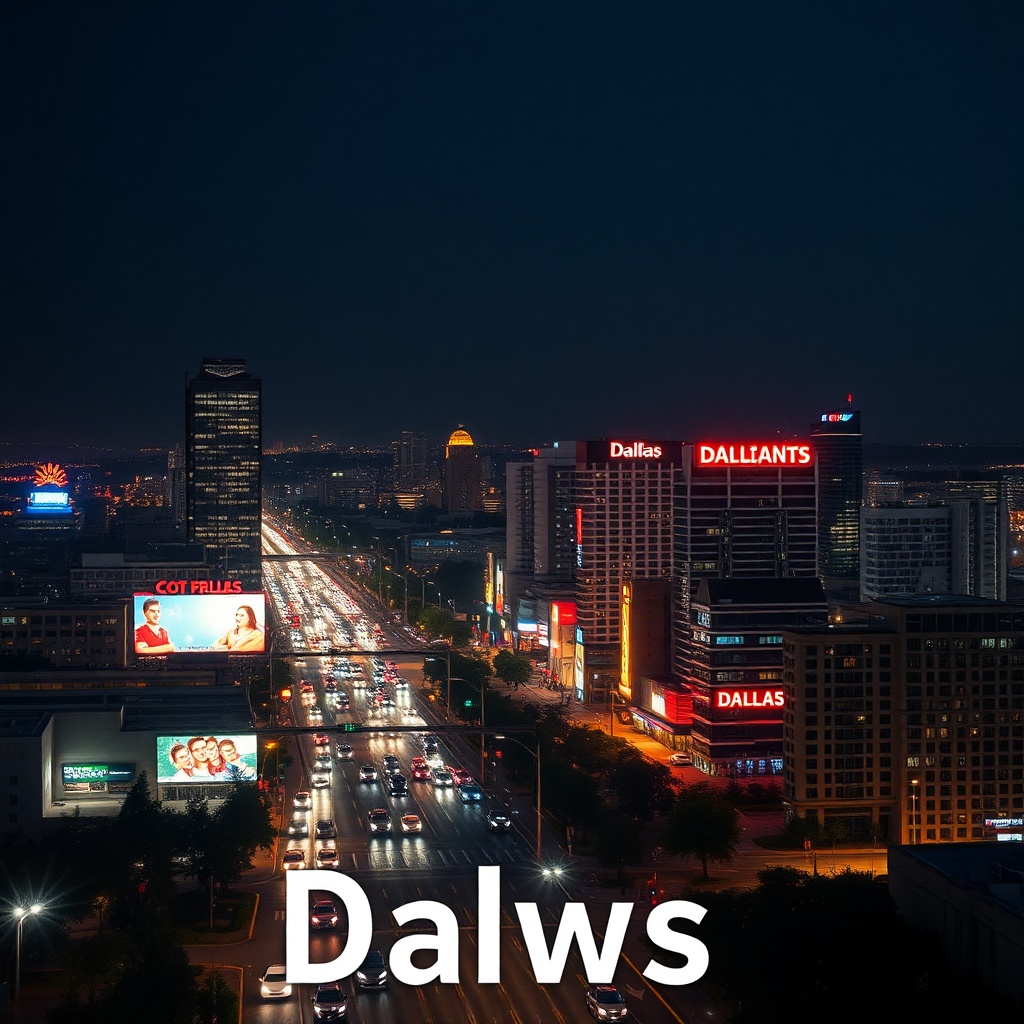
That combination is prompting new residential builds, conversions of offices to apartments, and a steady stream of restaurants, shops, and cultural venues.
Neighborhoods to watch
– Uptown and Victory Park: High walkability, strong nightlife, and luxury apartments make these neighborhoods popular with young professionals. Expect premium rents and short commutes to major employers.
– Bishop Arts and Oak Cliff: Known for independent boutiques, art galleries, and a tight-knit community vibe, these areas appeal to buyers seeking character and local flavor.
– Deep Ellum and the Design District: Creative hubs with live music, street art, and adaptive reuses of warehouses. These neighborhoods attract nightlife and entertainment investment.
– East Dallas and Lakewood: Tree-lined streets and single-family homes draw families who prioritize schools and yard space.
Transit and mobility
Public transit expansion and upgraded infrastructure are central to Dallas’s growth strategy. Light-rail extensions and regional commuter lines are intended to ease commutes and connect emerging job centers. At the same time, investments in bike lanes, pedestrian improvements, and ride-share integration are making many neighborhoods more accessible without a car. Commuters and homebuyers should map transit access and corridor plans when choosing a location.
Housing market realities
Rising demand has pushed prices and rents upward in many parts of the city, but the market is nuanced.
New developments often offer modern amenities and maintenance-free living, while older neighborhoods can deliver better value and historic character. Two commonly overlooked costs in Dallas-area real estate are property taxes and floodplain insurance—both can materially affect monthly housing expenses. Buyers and renters should factor in HOA fees, utilities, commute times, and potential renovation costs.
Tips for buyers, renters, and investors
– Prioritize walkability and transit if you want lower commute stress and better resale value.
– Compare neighborhoods for schools, parks, and local services rather than relying solely on headline price per square foot.
– Check flood maps, especially for riverfront and low-lying areas, and get insurance quotes before finalizing a purchase.
– For investors, mixed-use corridors and neighborhoods with planned public transit typically offer stronger rent growth over time.
– Partner with a local agent who knows micro-neighborhood trends and can spot emerging opportunities.
Civic and cultural pulse
Dallas’s cultural scene—museums, live music, sports arenas, and a growing culinary profile—continues to expand alongside real estate and transit investments. Public spaces and park projects are becoming focal points for community life, attracting residents who value outdoor amenities and a sense of place.
Whether you’re relocating, buying, or simply keeping an eye on market trends, Dallas offers a dynamic mix of opportunity and challenge. By focusing on neighborhood fundamentals, transport access, and long-term costs, you can make smarter choices that align with lifestyle priorities and financial goals.