Dallas in Transition: How Trinity River Projects, Transit Expansion, and Cultural Growth Are Reshaping Neighborhoods

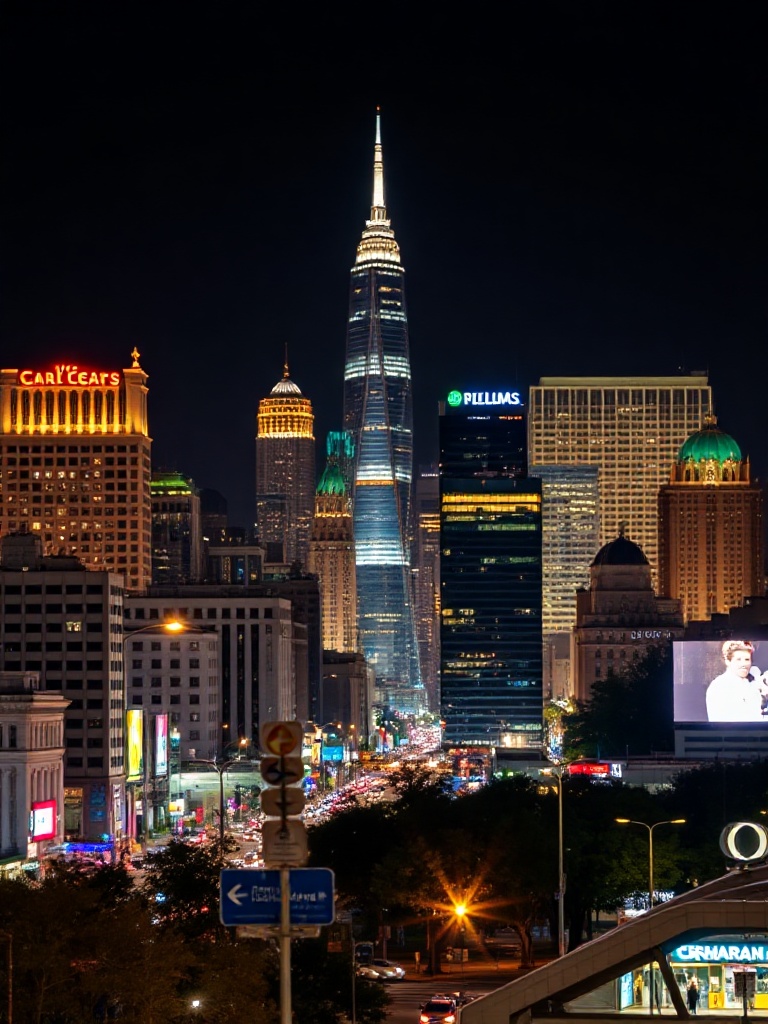
Dallas is experiencing a broad urban moment: investment, infrastructure, and culture are converging to reshape neighborhoods from the historic core to emerging corridors.
For residents and visitors alike, this wave of change affects daily life—how people commute, where they dine, and which neighborhoods become sought-after addresses.
One of the most visible drivers is large-scale infrastructure work tied to the Trinity River corridor.
Projects focused on flood mitigation and public access are unlocking acres of riverfront land for parks, trails, and mixed-use development. These improvements don’t just enhance recreation; they create opportunities for transit-oriented development and connect neighborhoods that were previously cut off by floodplain constraints. Expect expanded greenways, better riverfront activation, and continued public-private partnerships that aim to balance growth with environmental resiliency.
Transit investment remains central to how Dallas grows. Light rail extensions and regional connections are being planned and implemented to reduce congestion and support denser development around stations.
Improvements to bus services, bike lanes, and pedestrian infrastructure are part of a broader strategy to make car-free living feasible for more people.
For commuters, these changes mean shorter travel times and more options for reaching job centers, entertainment districts, and the airport without relying solely on a car.
The corporate and tech landscape has shifted, bringing new talent and capital to the city. Headquarters relocations and expansions in finance, technology, and logistics are creating demand for office space as well as housing. That demand fuels downtown revitalization: adaptive reuse of old buildings, luxury and workforce housing projects, and a growing roster of restaurants and cultural venues that keep neighborhoods active beyond weekday business hours.
That said, housing affordability remains a critical concern. Rapid development often puts pressure on long-time residents and small landlords.
City leaders and developers are increasingly focused on strategies that include mixed-income housing, incentives for affordable units, and preservation of historic neighborhoods.
Community engagement in planning meetings is more important than ever; residents who participate help shape outcomes that protect local character while welcoming growth.
Dallas’s cultural scene continues to be a magnet.
The Arts District, independent theaters, music venues, and an evolving culinary landscape draw visitors from throughout the region. Festivals and public art activations help animate streetscapes and support hospitality businesses that rely on steady foot traffic.
Sustainability and climate adaptation are woven into urban planning conversations. From expanding tree canopy to designing stormwater infrastructure that captures and reuses runoff, city initiatives are aiming to reduce heat island effects and improve neighborhood resilience.
Developers are incorporating green roofs, permeable pavement, and energy-efficient systems as standard elements rather than luxuries.
Small businesses and neighborhood entrepreneurs are a vital part of the story. Local ownership groups, merchant associations, and micro-grant programs are helping new businesses find footing in a competitive market. Supporting these businesses—by shopping locally, attending pop-ups, or investing in community projects—keeps economic benefits circulating within neighborhoods.
For anyone watching Dallas, the key takeaway is balanced opportunity: economic momentum is creating new possibilities, but intentional planning and active community involvement will determine whether growth benefits everyone.
Residents can stay engaged by attending local planning sessions, supporting small businesses, and watching transit and riverfront projects as they transform daily life across the city.