How Dallas Is Transforming: Neighborhoods, Transit Upgrades, and Housing Trends to Watch

Dallas’ urban landscape is changing fast, and several trends are shaping how people live, work, and move across the city. From adaptive reuse of office towers to transit investments and neighborhood renaissance, the latest developments are worth tracking whether you live in Dallas or are thinking about relocating.
What’s driving change
Population growth across the region and an influx of corporate relocations have kept demand high for both office space and housing. At the same time, hybrid work patterns and rising construction costs are accelerating a shift: many older office buildings are being converted into apartments, hotels, or mixed-use properties. That repurposing helps downtowns remain vibrant and creates new housing supply without expanding the city’s footprint.
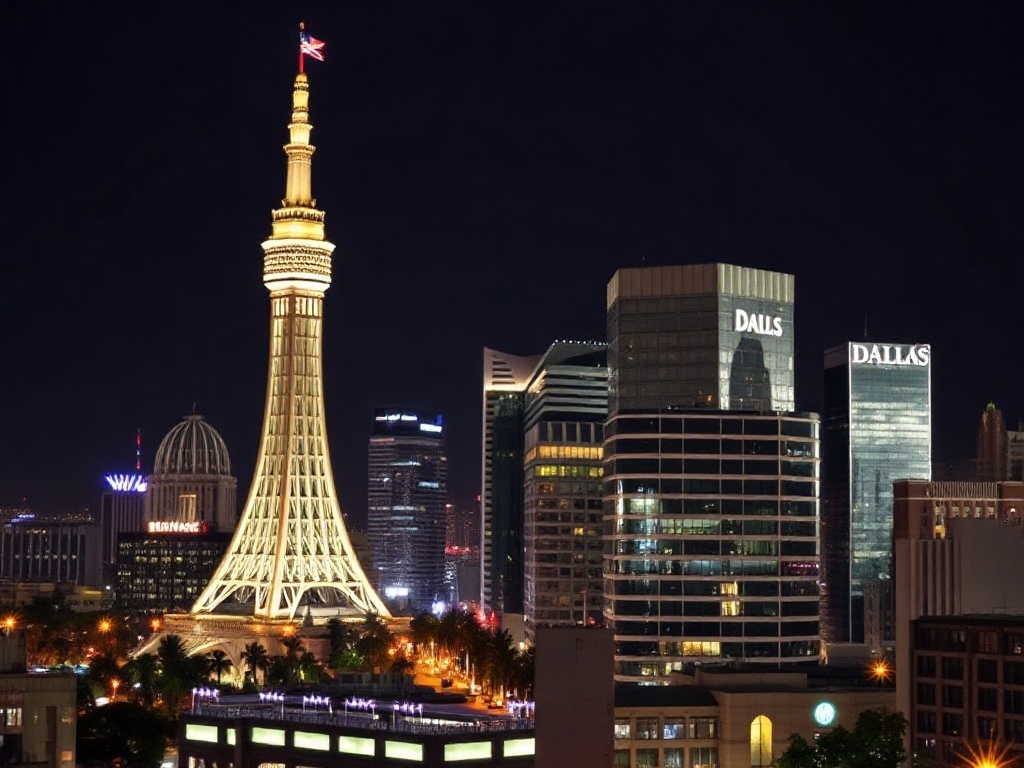
Neighborhoods to watch
– Uptown and Oak Lawn: Popular with young professionals for walkability, nightlife, and proximity to employers.
New residential projects often emphasize amenity-rich living—gyms, rooftop spaces, and co-working rooms.
– Bishop Arts: Known for independent shops and restaurants, this area continues to attract creatives and entrepreneurs seeking smaller-scale retail and dining opportunities.
– Deep Ellum and the Arts District: Live music and arts venues anchor cultural activity. Renovation and infill development aim to balance nightlife with residential needs.
– East Dallas and Lower Greenville: More affordable than some central neighborhoods, these areas are seeing steady demand from families and first-time buyers because of strong school options and park access.
Transit and infrastructure
Public transit investments remain a key piece of Dallas’ growth story. Expansion of rail and bus service, street-level improvements, and an emphasis on bike and pedestrian infrastructure are intended to reduce congestion and make commuting easier. Transit-oriented development near rail stations often commands higher rents and attracts retail, so new projects can reshape neighborhoods quickly.
Housing market realities
Affordability is a leading concern. While adaptive reuse and new multifamily developments increase supply, single-family home prices and rent inflation continue to strain budgets for many residents.
Property taxes and homeowners association fees are important to factor into overall housing costs. For buyers and renters, looking beyond headline pricing to total monthly expenses and long-term neighborhood trends can reveal better value.
Business and job growth
A steady stream of corporate relocations and expansions continues to diversify the local economy. Tech, logistics, healthcare, and financial services are among the sectors that create well-paying jobs, which in turn stimulate demand for retail, restaurants, and housing. Economic incentives and local workforce development programs are often part of municipal efforts to attract employers.
What to watch in local coverage
– Zoning and development approvals that shape density and housing mix
– Transit projects that influence commuting patterns and property values
– Office-to-residential conversions and how they affect downtown vibrancy
– School district performance and new educational investments
– Local policy on taxes, incentives, and affordable housing initiatives
Practical tips for residents
Follow city planning meetings and local neighborhood associations to stay informed about proposed projects. If you’re job hunting or relocating, consider commute times and transit access as much as salary.
For homeowners and investors, track permit filings and new construction to anticipate shifts in supply and demand.
Keeping an eye on these trends will help residents and prospective movers make smarter decisions as Dallas’ neighborhoods continue to evolve. For timely updates, monitor local news outlets and city planning announcements to see how projects and policies will affect daily life and property values.