Dallas Momentum

Dallas Momentum: What Residents and Visitors Should Watch Next
Dallas is experiencing sustained momentum across real estate, transportation and business growth—shaping how people live, work and play across the metro area. Whether you’re a resident, investor or visitor, a few trends are worth watching because they affect affordability, commutes and quality of life.
Housing and neighborhoods: where demand is shifting
Demand remains strong in walkable neighborhoods and suburbs that offer quick access to downtown jobs without long commutes.
Expect buyers and renters to favor areas with renovated older homes, strong school zones and emerging retail corridors. Neighborhoods near large park projects and riverfront improvements are especially popular because they combine outdoor access with expanding local businesses. For buyers, paying attention to inventory levels, mortgage-rate movement and local tax implications is key. Renters should watch for new mixed-use developments that bundle amenities and transit access—these can influence rental pricing in surrounding blocks.
Transportation and commuting: more options, still evolving
Public transit expansion and road projects continue to shape daily commutes.
Light rail extensions, bus priority corridors and complete-streets initiatives are making it easier to rely less on single-occupancy driving in some corridors, while major highway improvements aim to reduce congestion on critical routes. For commuters, combining park-and-ride options with express transit and flexible work arrangements is an effective way to reduce time spent in traffic.
Bike lanes and micromobility programs are also increasing last-mile connectivity in central neighborhoods.
Business climate and job growth
Dallas remains attractive to corporate headquarters and regional offices thanks to a favorable business environment, central time zone advantages and a deep talent pool.
A steady flow of company expansions and relocations continues to support office leasing and the service economy—especially in finance, healthcare and technology-adjacent sectors. Job seekers should monitor hiring events and local university partnerships that feed talent pipelines; professionals benefit from targeted networking in industry clusters that are expanding locally.
Public spaces and cultural life
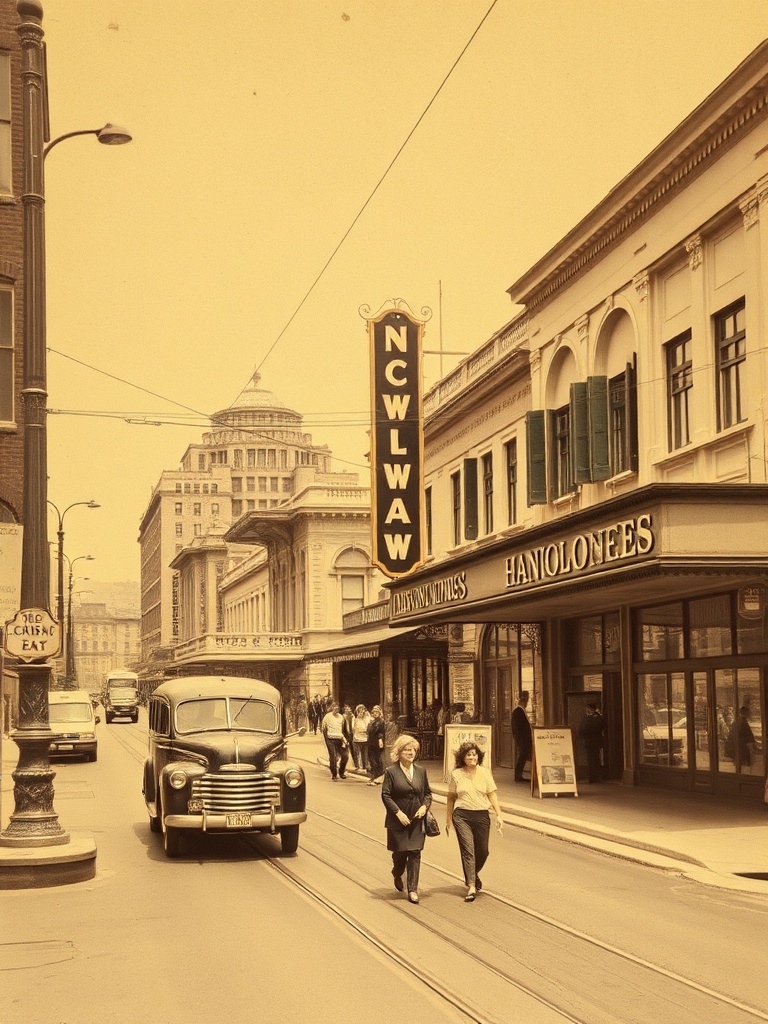
Investments in parks, riverfront redevelopment and cultural venues are boosting quality of life and tourist appeal.
New outdoor festivals, museum exhibits and performing-arts programming are drawing locals back into downtown and neighborhood centers. Food scenes continue to flourish—small-format restaurants, chef-driven concepts and neighborhood markets are proliferating, making culinary exploration one of the best ways to discover changing parts of the city.
Safety and community priorities
Community safety and livability are top priorities for neighborhood associations and city officials.
Expect continued focus on problem-solving that combines enforcement with prevention: more lighting and active streetscape design, expanded social services in high-need areas, and collaborative policing-community initiatives. Engaged residents who attend city meetings and neighborhood forums have more influence over local investments and public-safety plans.
What to do now
– If you’re buying: get pre-approved, prioritize transit and school access, and work with agents who know micro-neighborhood trends.
– If you’re renting: compare total commute time, not just distance; amenity packages can offset higher rents.
– If you’re a business: consider proximity to talent, connectivity to major highways and transit, and the local incentive environment.
– If you’re visiting: check neighborhood event calendars and plan time to explore riverfront parks and local food districts.
Dallas continues to evolve as a major regional hub—balancing growth with livability. Keeping an eye on transportation projects, neighborhood revitalization and business movements will help residents and investors make better decisions about where to live, work and spend their time.