How Transit Upgrades, Downtown Reuse and the Trinity River Are Reinventing Dallas

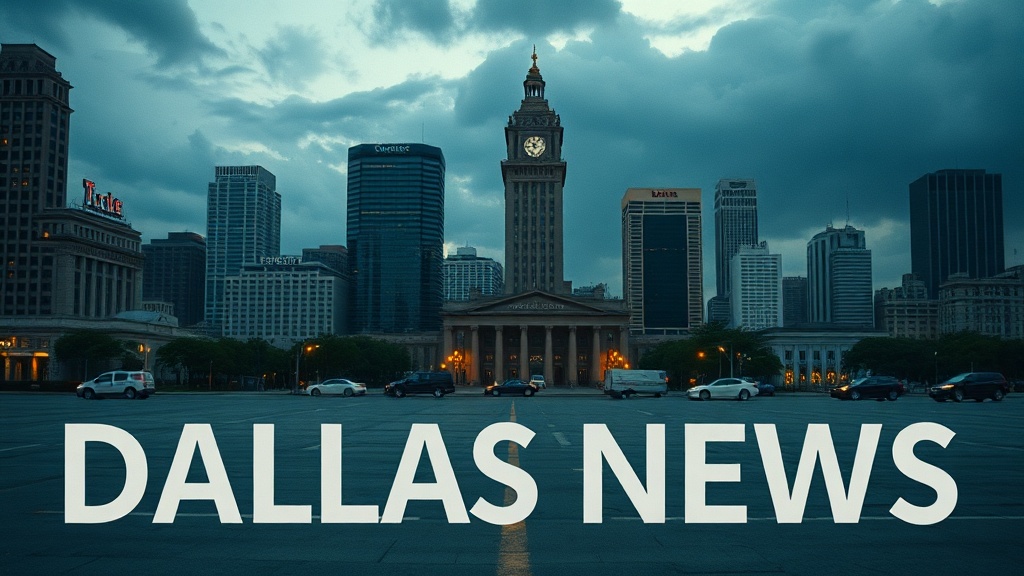
Dallas is in the middle of a noticeable urban shift: new investments, transit upgrades, and creative reuse of downtown space are reshaping how people live, work, and play across the city. For anyone following Dallas news, the focus has moved beyond single headlines to a broader story about resilience and reinvention.
Transit and mobility driving change
Public transit remains central to Dallas’s growth story. Major projects to expand and modernize rail, bus, and multimodal connections are proceeding, with agencies working to reduce congestion and improve first-mile/last-mile access. Expect more frequent updates on corridor projects and station improvements, and rising interest in bike lanes and pedestrian-friendly streets that connect residential districts with employment hubs.
Downtown reimagined
Downtown Dallas is no longer just an office district.
A wave of adaptive reuse projects is turning underused towers into apartments, hotels, and mixed-use developments. That shift attracts residents who want urban amenities—restaurants, theaters, and parks—within walking distance. Developers and city planners are also prioritizing green space and riverfront access, helping to make downtown livelier outside typical work hours.
Trinity River and waterfront activation
Efforts to make the Trinity River corridor a recreational and resilience asset are gaining attention. New trails, parks, and floodplain improvements aim to link neighborhoods and create continuous public spaces along the river.
Iconic structures like the Margaret Hunt Hill Bridge and nearby cultural destinations help anchor these improvements, creating more reasons for residents and visitors to spend time outdoors.
Neighborhoods to watch
Several neighborhoods continue to attract residents and investment. Areas known for nightlife and arts—places where music venues, galleries, and independent shops define the street scene—are drawing creatives and entrepreneurs. At the same time, historically residential neighborhoods with strong local businesses and transit access remain popular with families and young professionals seeking community-oriented living.
Housing and affordability pressures
As demand for urban living rises, housing affordability and inventory remain key discussion points in local coverage. Conversion of office space to residential units helps add supply, but rising construction costs and zoning constraints can limit how quickly new, affordable units come online. Policymakers and community groups are debating strategies that balance development with preservation and equitable access to housing.
Culture, sports, and nightlife fueling the economy
Dallas’s cultural institutions and entertainment venues continue to serve as economic engines. Museums, performing arts centers, sports arenas, and festivals draw visitors and support local businesses, amplifying the impact of downtown revitalization and neighborhood activation.
What to watch next
– Transit agency announcements and public comment periods for corridor projects.
– Major adaptive reuse and mixed-use development proposals that convert office space into housing or cultural venues.
– City planning efforts focused on the Trinity River corridor and neighborhood connectivity.
– Affordability initiatives and incentives for inclusive housing development.
– Public safety and placemaking programs that encourage street-level activity.
For residents and business owners, staying engaged through city council updates, transit authority briefings, and neighborhood associations is the best way to track how these changes will affect daily life. With thoughtful planning and community input, Dallas’s urban evolution could deliver more accessible transit, richer public spaces, and a more diverse mix of housing and amenities across the city.