Downtown Dallas Reinvented (2025): Neighborhoods to Watch, Transit Upgrades & Investment Opportunities

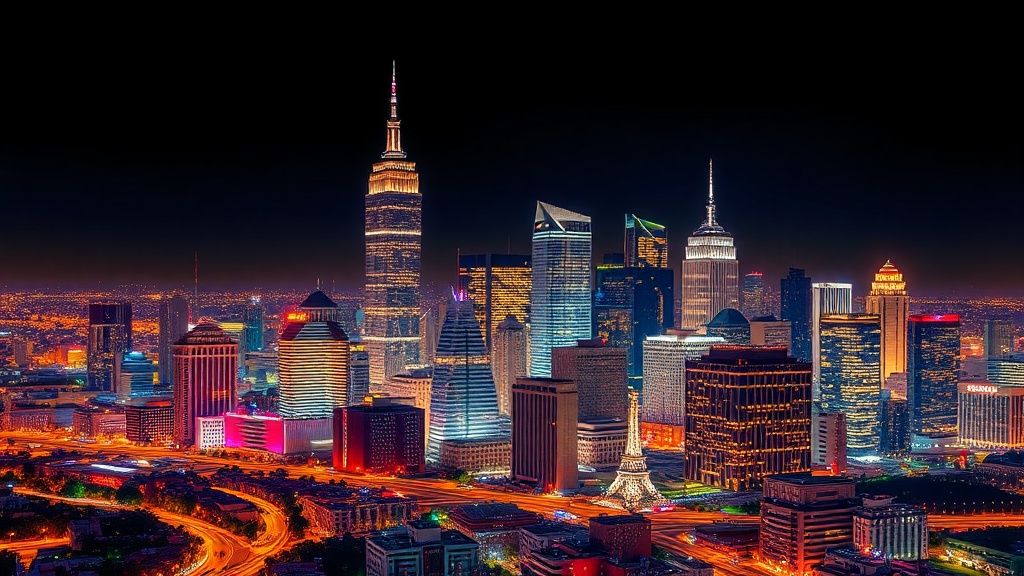
Dallas is in the middle of a visible reinvention. Once defined by sprawling suburbs and a downtown focused on corporate towers, the city’s heart is shifting toward mixed-use neighborhoods, walkable public spaces, and smarter transit. That evolution is shaping where people live, work, and spend their free time—and it’s creating new opportunities for residents, investors, and local businesses.
What’s driving the change
Several factors are converging to reshape downtown and nearby neighborhoods. Developers are converting underused office buildings into apartments, hotels, and creative spaces as demand for flexible, amenity-rich living grows. Public and private investment in parks, cultural venues, and streetscape improvements is making urban life more attractive. Transit upgrades and improved bike and pedestrian networks are encouraging shorter commutes and a stronger street-level economy. Finally, a growing tech and creative community is bringing new energy and consumer habits to the area.
Key neighborhoods to watch
– Central Business District and The West End: Formerly dominated by corporate offices, this area is seeing a steady increase in residential conversions and hospitality projects. New ground-floor retail and dining options are helping activate the streets after hours.
– Deep Ellum and the Design District: Known for live music, art, and design showrooms, these neighborhoods continue to pull creative businesses and nightlife, while also attracting new residential developments that favor urban lifestyles.
– Uptown and Knox/Henderson: These long-popular areas remain strong for walkability, boutique retail, and restaurant scenes, drawing both young professionals and empty-nesters seeking convenience and vibrancy.
– Trinity River Corridor and Riverside areas: Investments in greenways and parkland along the river are improving access to outdoor recreation and boosting nearby property values.
Public spaces and mobility
Signature public spaces are playing a major role in downtown’s revival. Urban parks and cultural hubs create meeting points that connect offices, residences, and retail districts. Streetscape improvements—better lighting, wider sidewalks, and protected bike lanes—encourage foot traffic and longer dwell times, which benefit small businesses.
Transit remains essential to sustaining growth. Improvements to light rail routes, bus service, and connections to regional transit options make car-free living more feasible. For commuters, combined transit and micro-mobility solutions—bike-share, scooters, and last-mile shuttles—are changing how people navigate short trips around the city.
Opportunities and challenges
Opportunity: Adaptive reuse projects are unlocking value in older buildings, creating unique living spaces and preserving architectural character. These projects often include mixed-income components and increased retail diversity, which help enliven streets and reduce vacancy cycles.
Challenge: Affordability and displacement are concerns in many growing neighborhoods.
As desirability rises, long-time residents and small businesses can face pressure from higher rents. Local leaders and developers are experimenting with inclusionary housing policies, small-business support programs, and community land trusts to maintain neighborhood diversity.
How residents and investors can respond
– Residents: Explore emerging neighborhoods where amenities and transit access are improving but prices haven’t peaked. Support local businesses and civic initiatives that prioritize inclusive growth.
– Investors: Look for adaptive reuse opportunities and mixed-use projects that combine residential, retail, and public space—these tend to outperform single-use assets in dynamic urban markets.
– Community stakeholders: Advocate for balanced development that includes affordable housing, small-business protections, and investments in public infrastructure that serve a broad cross-section of residents.
Dallas’s downtown transformation is not just about new buildings; it’s about fostering neighborhoods where people can live, work, and connect. Thoughtful development that prioritizes accessibility, cultural vitality, and economic inclusion will determine which parts of the city thrive as it continues to evolve.