Dallas Neighborhood Guide: Best Districts, Eats, Parks & Arts

Dallas is a city of surprising contrasts: a skyline of glass towers, vast green corridors, thriving neighborhoods with independent shops, and a food scene that blends Texas tradition with global flavors. Whether you’re planning a short visit or scouting neighborhoods to call home, understanding the city’s cultural pulse helps you make the most of it.
Neighborhoods that define the city
– Deep Ellum: Known for street murals, live music venues, and late-night creativity. The area still anchors Dallas’ independent music and arts scene, with small clubs, cocktail bars, and artisan coffee shops lining the streets.
– Bishop Arts District: A compact, walkable neighborhood with boutique stores, unique galleries, and diverse dining options. It’s a great spot for curated shopping and neighborhood events.
– Uptown and Knox/Henderson: These areas combine high-energy nightlife, trendy restaurants, and park-friendly streets. Uptown’s walkability and access to green space make it popular among young professionals.
– Trinity Groves and West Dallas: Positioned near the river, this evolving district focuses on restaurants, experimental concepts, and startups. It’s an example of adaptive reuse and creative placemaking shaping new urban hubs.
Food and drink to seek out
Dallas celebrates big flavors. Classic Texas barbecue and Tex-Mex coexist with upscale contemporary cuisine and international kitchens.
Look for spots that emphasize local ingredients, chef-driven tasting menus, and neighborhood holes-in-the-wall serving authentic regional dishes. Food halls and pop-up kitchens are common ways new concepts test the market before expanding.
Parks and outdoor life
Green space is woven into the urban fabric. A linear park along the Trinity River offers trails for walking, running, and biking, while elevated parks and plazas provide pop-up programming like outdoor concerts, yoga classes, and weekend markets. Klyde Warren Park, bridging downtown and Uptown, is a model of urban park design—free activities, food trucks, and family-friendly amenities make it a central gathering place.
Arts and museums
The city’s cultural institutions are notable for quality and variety. Major museums host globally minded exhibitions alongside permanent collections in art, science, and history. The arts district features performance venues for symphony, opera, and theater, while smaller galleries and experimental spaces across neighborhoods showcase emerging local artists.
Getting around
Public transit has expanded steadily, with light rail and bus options connecting many neighborhoods and cultural destinations. Ride-hailing and micromobility—e-bikes and scooters—help fill the gap for short trips. For first-time visitors, mix transit and walking to experience distinct districts without traffic stress.
Local events and seasonal rhythms
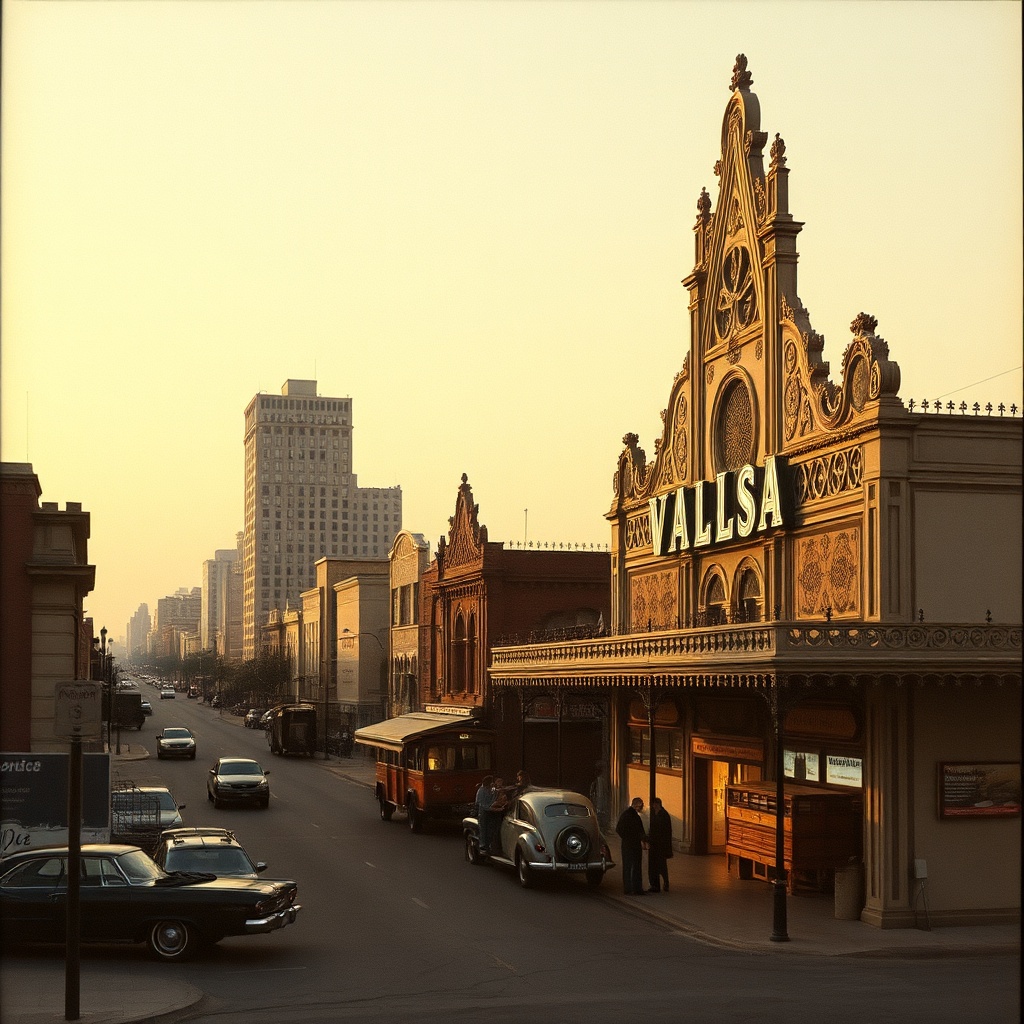
Programming across the city keeps things lively: music festivals, street fairs, food events, and neighborhood markets pop up regularly. Many venues and parks offer free or low-cost public programming that highlights local makers, musicians, and chefs.
Practical tips
– Build an itinerary by neighborhood to reduce travel time and maximize local discovery.
– Make restaurant reservations when possible—popular spots fill quickly on weekends.
– Pack for heat and sun protection for longer outdoor excursions; evenings cool down and invite patio dining.
Dallas is constantly reshaping itself without losing the hallmarks of Texas hospitality.
Mixing urban amenities with approachable neighborhoods, it rewards visitors who explore beyond the skyline and seek the neighborhoods, flavors, and cultural experiences that make the city uniquely compelling.