Dallas’s Quiet Transformation: Neighborhood Revitalization, Transit Upgrades, and Riverfront Living

Dallas is in the midst of a quiet transformation that blends big-city ambition with neighborhood-level character.
Developers, entrepreneurs, and residents are reshaping how people live, work, and play across the metro, making Dallas a compelling choice for newcomers and long-time locals alike.
Urban growth without losing character
Historic districts and industrial corridors are being reimagined while preserving local flavor.
Adaptive reuse projects convert old warehouses and brick storefronts into lofts, galleries, and coworking spaces, creating vibrant pockets of activity.
Neighborhoods known for live music, independent shops, and diverse dining—like the arts-focused enclaves and revitalized main streets—are drawing residents who prioritize walkability and community.
Transit and connectivity improving access
Public transit investments are expanding options beyond car-dependency.
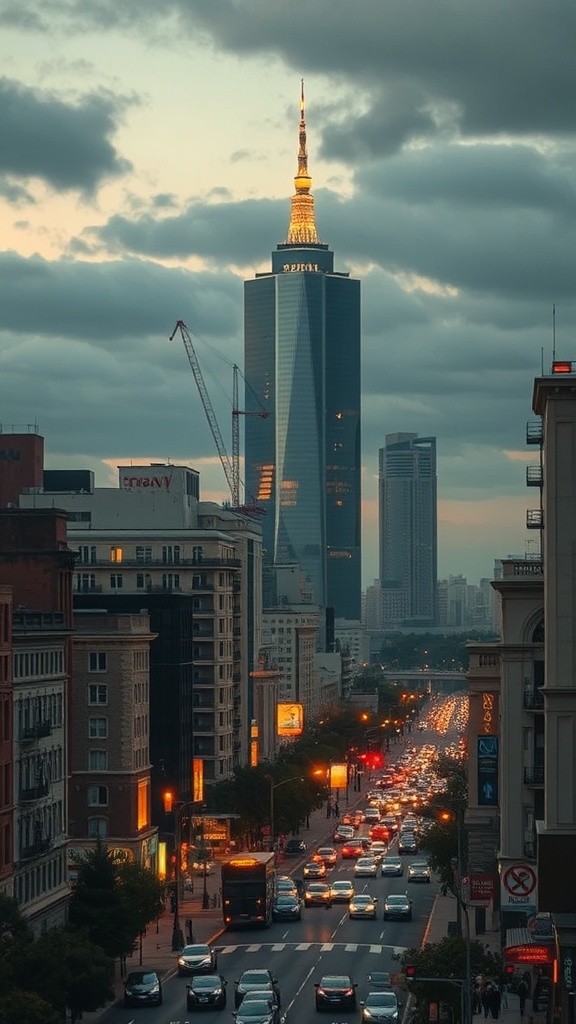
Light rail extensions, better bus service, and bike-friendly corridors are making it easier to connect neighborhoods, employment centers, and cultural hubs. Major riverfront and greenway projects are also improving access to recreational space, encouraging more pedestrian and bicycle traffic and linking formerly disconnected districts to the downtown core.
A strong draw for remote workers and startups
Competitive housing costs compared with many coastal metros, combined with a growing ecosystem of accelerators, co-working spaces, and affordable office options, make the city attractive for startups and remote professionals. Creative talent is drawn to neighborhoods with cafés, live music venues, and communal workspaces, while companies benefit from a deepening pool of tech and service-sector talent.
Food, culture, and nightlife
Dallas’s culinary scene continues to expand beyond its iconic barbecue and Tex-Mex roots. Chefs and restaurateurs are experimenting with global flavors, neighborhoods host rotating food halls and markets, and a resilient food truck scene adds culinary variety. Music venues, street murals, and theaters fuel nightlife and cultural tourism, giving each neighborhood its own identity and reasons to explore.
Parks, riverfronts, and outdoor living
Large-scale greenway and riverfront enhancements are turning underused land into parks, trails, and public gathering places. These projects aim to balance flood control, environmental restoration, and recreational use, while offering scenic routes for runners, cyclists, and families. Access to new waterfront parks has become a major amenity for nearby residential developments.
Real estate trends and housing options
A mix of high-rise apartments, renovated historic homes, and single-family neighborhoods provides varied housing choices. Mixed-use developments pair retail and dining with residential units to create 24/7 neighborhoods where daily errands and entertainment are within walking distance.
Buyers and renters looking for value compared with denser coastal cities often find diverse options across inner-ring suburbs and urban neighborhoods.
What to watch for
Keep an eye on continued investment in transit and riverfront infrastructure, as these projects tend to catalyze surrounding development.
Adaptive reuse of older buildings also signals where cultural and commercial life will cluster next.
For anyone planning a move, exploring different neighborhoods in person—checking commute options, local amenities, and community events—remains the best way to find the right fit.
Dallas is balancing rapid growth with local identity by focusing on walkable, mixed-use neighborhoods, expanded connectivity, and cultural vibrancy. Whether you’re drawn by job opportunities, creative scenes, or outdoor amenities, the city’s evolving fabric offers plenty to discover.