How Economic Growth and Urban Change Are Reshaping Dallas Neighborhoods

Dallas news: how economic growth and urban change are reshaping neighborhoods
Dallas continues to be a frequent topic in local and national news as economic growth, real estate shifts, and infrastructure projects transform neighborhoods across the city. For residents, investors, and visitors, understanding the forces behind these changes helps navigate opportunities and challenges in a market that’s evolving quickly.
What’s driving change
Several converging trends are driving headlines. Corporate relocations and expansions are attracting talent and capital, while universities and research institutions supply a steady pipeline of skilled workers. Tech startups and established firms alike find Dallas attractive for its business-friendly policies, relatively lower operating costs compared with coastal cities, and access to a large regional market.
Real estate and neighborhood evolution
Office-to-residential conversions remain a notable trend in Dallas news. As demand for flexible urban living grows, older office buildings and unused retail sites are often repurposed into apartments, condos, and mixed-use developments. This trend boosts density in central neighborhoods and fuels retail and dining options at street level.
Neighborhoods that were once industrial or underutilized—like parts of Deep Ellum and areas near the Trinity River—are seeing new residential projects, creative office spaces, and cultural venues. At the same time, established districts such as Uptown, Bishop Arts, and Lower Greenville continue to attract higher-end retail and hospitality offerings. This mix of revitalization and gentrification raises conversations about affordability, displacement, and equitable development—topics frequently covered in Dallas news cycles.
Transportation and infrastructure
Transit and infrastructure investments play a big role in shaping growth patterns. Expansions of regional rail, light rail, and bus services encourage transit-oriented development, making neighborhoods near stations particularly appealing to renters and buyers who prioritize walkability and reduced commute times. Roadway upgrades, pedestrian improvements, and riverfront projects also increase the attractiveness of certain corridors, while ongoing traffic congestion remains a concern that city leaders and planners are trying to address.
Public spaces and quality of life
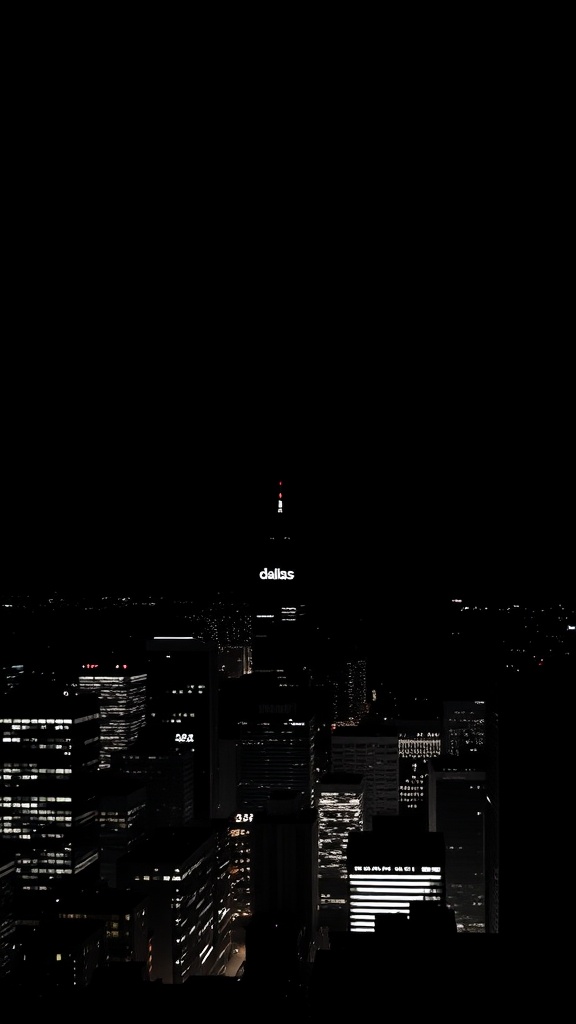
Green space improvements, park expansions, and riverfront activation projects are changing how residents experience the city.
New parks and trail connections support outdoor lifestyles and create hubs for community events. Cultural investments—museums, live music venues, and public art—help retain local character even as commercial development accelerates.
Challenges to watch
As Dallas appears in headlines for rapid growth, several challenges persist. Housing affordability and supply constraints are top concerns for many residents.
Infrastructure must keep pace with population and economic growth to avoid worsening congestion and service bottlenecks.
Public safety and equitable access to jobs and amenities are recurring issues in community discussions and local reporting.
Practical takeaways for residents and investors
– Track local planning meetings and zoning changes to anticipate development near your neighborhood.
– Consider proximity to transit, parks, and employment hubs when choosing a home or investment property.
– Follow reputable Dallas news outlets and neighborhood associations for timely updates on public projects and community concerns.
– Engage with community planning efforts to influence outcomes that balance growth with livability.
Dallas continues to make headlines as a dynamic urban center. Keeping informed about economic drivers, infrastructure projects, and neighborhood-level shifts helps residents and stakeholders make smarter decisions and stay connected to the city’s ongoing transformation.