Dallas in Transition: Trinity River Revival, Downtown Office Conversions, Housing Affordability and Transit Trends to Watch

Dallas is evolving fast, and headlines reflect a city balancing big-city growth with neighborhood character. From riverfront redevelopment to shifting office markets and a vibrant cultural scene, several storylines are shaping local news and the everyday experience of residents and visitors.
Trinity River and public space
One of the most visible changes is along the Trinity River corridor. Investments in parks, trails, and flood mitigation continue to transform a long-underused waterfront into a major recreational asset. New segments of trail and greenway improve connectivity between downtown neighborhoods and more suburban areas, making the riverfront a destination for walking, cycling, and outdoor events. Coverage often highlights how these public-space upgrades boost property values, spur small-business activity near river entrances, and create a more walkable urban core.
Downtown real estate and office conversions
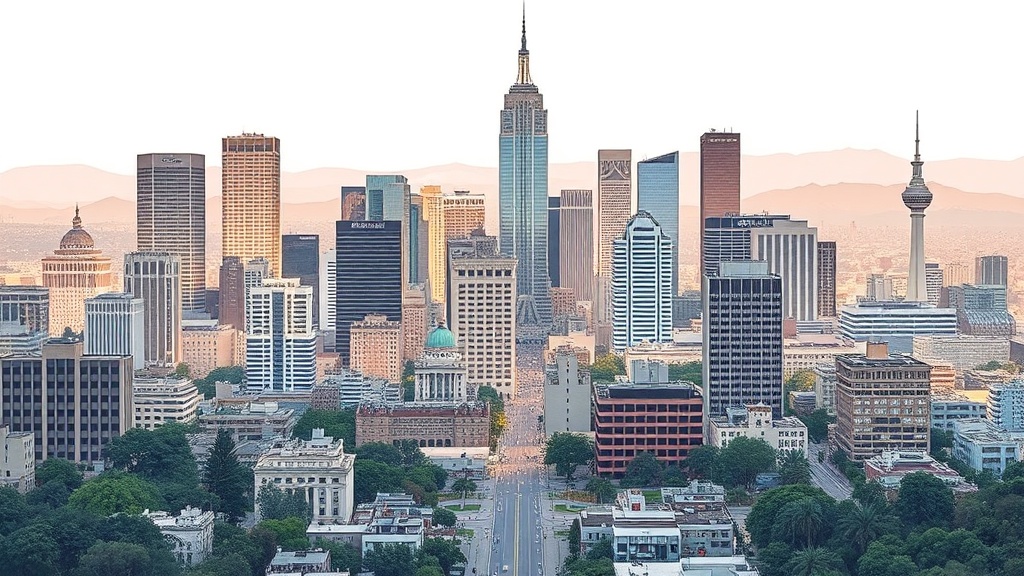
The office market remains a frequent topic in Dallas news. As companies reassess space needs, an increasing number of older office buildings are being reimagined for residential use, creative office space, or mixed-use projects. Developers and city planners are responding with incentives and zoning flexibility to encourage conversions that add housing options downtown while preserving architectural character. These moves aim to bring more residents into the city center, supporting restaurants, retailers, and nightlife that rely on a steady local population.
Housing affordability and neighborhood change
Affordability and equitable development continue to be pressing issues. Rising demand has pushed up prices in many neighborhoods, prompting conversations about supply, transit-oriented development, and policies to preserve affordable units.
Community groups and city officials often feature in coverage advocating for balanced approaches—preserving neighborhood identity while accommodating growth. Programs focused on infill development and accessory dwelling units are increasingly part of the policy mix being discussed.
Transit and mobility improvements
Public transit and mobility solutions are another recurring focus. Regional transit agencies and local governments continue to explore ways to expand service, improve first-and-last-mile connections, and prioritize bike and pedestrian infrastructure. News stories typically examine the cost-benefit dynamics of light-rail extensions, bus rapid transit routes, and microtransit pilots aimed at reducing car dependency and easing congestion on major corridors.
Cultural scene and event economy
Dallas’s cultural calendar keeps the city in the headlines. Museums, theaters, and music venues bring both residents and visitors together, while annual festivals and neighborhood block parties highlight the city’s diversity. Cultural institutions often partner with public and private sectors to activate underused spaces and host programming that fosters inclusivity and tourism. Coverage frequently emphasizes how arts and events contribute to economic resilience, especially for small businesses in entertainment districts.
Sports and civic identity
Sports remain central to local identity, with professional teams and college programs generating ongoing interest. Beyond game results, reporting often explores stadium-area development, traffic management, and the local economic impacts of major sporting events.
Sports coverage also intersects with community stories—from youth programs to stadium-led neighborhood investments.
What to watch in local headlines
Expect continued focus on riverfront activation, creative reuse of office buildings, housing affordability solutions, and transit investments. Community voices and neighborhood-level reporting will keep these stories grounded, ensuring that growth decisions reflect the priorities of long-time residents as well as newcomers.
For readers tracking Dallas news, look for updates on public meetings, planning commission agendas, and community forums—those venues often signal the next wave of projects and policies that will shape the city’s trajectory.