Dallas Real Estate: Neighborhoods, Market Trends & Investor Tips

Dallas real estate continues to attract attention for its blend of affordability, job-driven demand, and diverse neighborhood options. Whether you’re a first-time buyer, an investor, or relocating from another region, understanding the forces shaping the market helps you make smarter decisions.
Why Dallas stays in demand
A steady flow of job opportunities and corporate expansion keeps housing demand high across the metro area.
That demand is paired with a relatively lower cost per square foot than many coastal metros, appealing to buyers seeking value without sacrificing urban amenities. Suburban communities are also growing as buyers prioritize space, good schools, and quick commutes to key employment centers.
Neighborhoods to watch
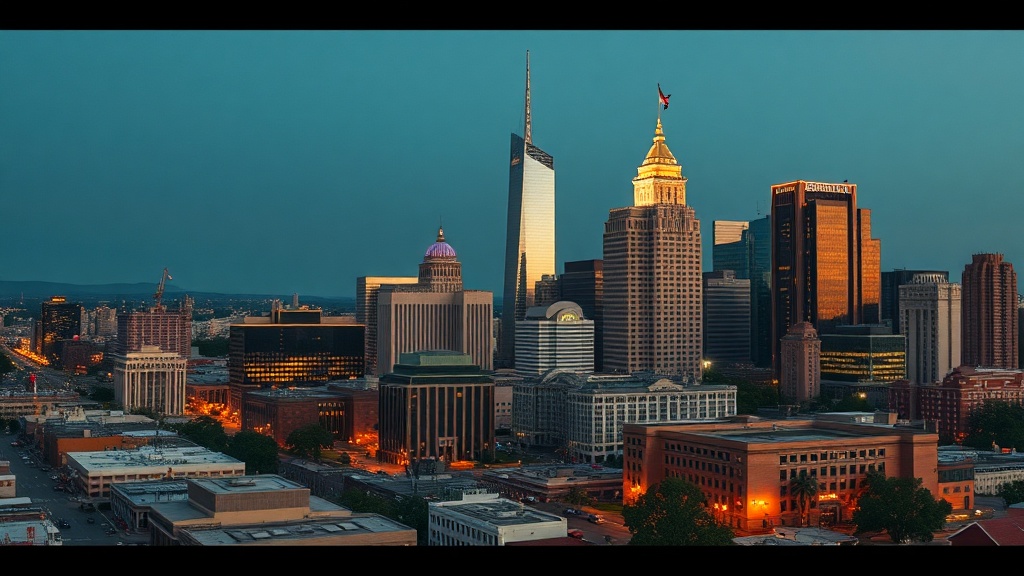
Core urban neighborhoods—such as Uptown, Deep Ellum, Oak Lawn, and Bishop Arts—remain attractive for residents who want walkability, nightlife, and proximity to downtown.
Emerging areas like Trinity Groves and portions of West Dallas are gaining momentum thanks to restaurant, arts, and mixed-use development.
Fast-growing suburbs on the northern corridor offer master-planned communities, newer schools, and attractive resale value.
These suburbs also draw families and professionals who want bigger yards and newer construction while still accessing city jobs and amenities.
Trends shaping decisions
– Supply and inventory: Inventory levels are a key factor for pricing. When inventory tightens, sellers gain leverage; when it loosens, buyers have more choice and negotiating power. Pay attention to new-build completions and how quickly they absorb into the market.
– Interest rates and affordability: Mortgage rates influence monthly payments and buyer budgets.
Even small rate changes can shift what buyers can comfortably afford, so lock in financing when terms align with your goals.
– Rental market strength: Strong job growth and migration patterns keep rental demand robust.
Build-to-rent communities and professionally managed single-family rentals are increasingly common, offering steady cash-flow opportunities for investors.
– Office-to-residential conversions: With shifting workplace patterns, some older office buildings near downtown and transit hubs are being repurposed for housing, which can spark neighborhood revitalization and increased walkability.
Smart buying and selling tips
– Do neighborhood research beyond headlines: Check school ratings, commute times, walkability, and planned infrastructure projects.
These factors influence long-term value.
– Work with a local agent: Local market knowledge—pricing trends, pocket listings, HOA quirks—makes a measurable difference in negotiation and timing.
– Prioritize inspections: With older homes and varied construction quality across neighborhoods, inspections uncover costly issues that affect purchase decisions.
– Stage and price competitively when selling: Proper pricing and professional staging often shorten time on market and increase net proceeds.
– Consider total cost of ownership: Property taxes, insurance, HOA fees, and maintenance matter as much as mortgage payments when evaluating affordability.
Opportunities for investors
Look for neighborhoods with job access, transit options, and strong rental demand. Consider properties that benefit from cosmetic upgrades rather than structural overhauls to maximize ROI. Multifamily and single-family rentals each have distinct risk-reward profiles—diversify based on your investment horizon and management capacity.
Dallas real estate offers a mix of urban excitement and suburban stability. Understanding local dynamics—inventory trends, financing conditions, and neighborhood trajectories—lets buyers and investors capitalize on opportunities while minimizing risk. If you’re planning a move or portfolio adjustment, grounding decisions in local data and experienced guidance will pay off.