How Office-to-Residential Conversions Are Transforming Downtown Dallas

Dallas’ downtown is undergoing a visible transformation as office towers make way for new apartments, mixed-use complexes, and cultural venues. What started as a pragmatic response to shifting work patterns has become a broader urban renaissance that’s reshaping how people live, work, and spend leisure time in the city core.
Why conversions are happening
A blend of demand and opportunity is driving conversions from office to residential. Changing workplace dynamics have left many mid-century office buildings underused, while growing interest in urban living has created demand for centrally located housing. Developers see potential in sturdy, well-situated structures that can be reimagined for modern residents. Tax incentives, adaptive reuse zoning, and favorable financing options often make conversions more feasible than building new structures from the ground up.
What residents can expect
Converted properties tend to offer larger floor plates than typical condos, full-floor layouts, and preserved architectural character—features that appeal to buyers and renters seeking unique urban homes.
Many projects incorporate modern amenities such as co-working lounges, fitness centers, rooftop decks, and curated retail at street level to support everyday convenience.
Neighborhood impact
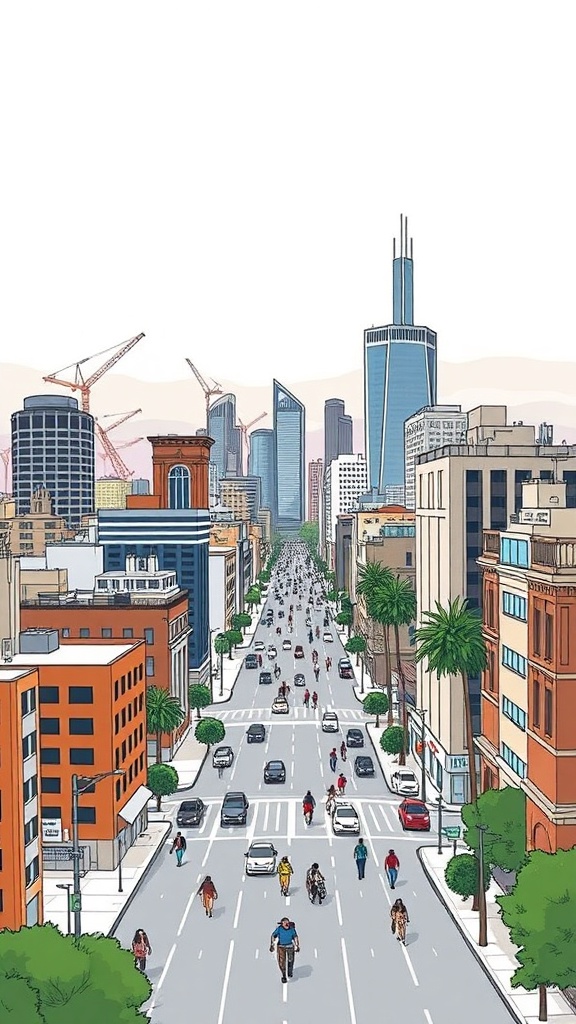
As residential density increases, street-level activity revives. Cafes, independent retailers, and services return to corridors that once felt vacant after business hours. Increased foot traffic supports public transit, which benefits from a more consistent ridership throughout the day and evening. Public spaces—parks, plazas, and pedestrian-friendly streets—are increasingly emphasized in redevelopment plans to create inviting neighborhoods rather than isolated towers.
Economic and cultural ripple effects
Adaptive reuse often preserves historic façades and character, maintaining the city’s architectural narrative while injecting new life into old buildings. The influx of residents supports local restaurants, galleries, and event venues, creating a more diverse cultural scene. At the same time, city leaders and developers are collaborating on incentives to attract retail that serves residents, not just daytime office workers.
Challenges to watch
Affordability is a central concern. Conversion costs and desirable downtown locations can push rents and prices upward. To preserve diverse communities, some projects incorporate affordable units or partner with city programs to mitigate displacement. Parking and traffic management present logistical challenges, particularly in areas designed originally for office commuters. Transit connectivity and active mobility options play a crucial role in addressing these issues.
Tips for prospective residents
– Check building history: adaptive reuse projects vary widely in construction quality and amenities. Look for buildings with clear renovation plans and strong developer reputations.
– Evaluate transit and walkability: downtown living shines when daily needs and transit are easily accessible.
– Review HOA or building rules: converted properties can have unique governance structures that affect rental policies, renovations, and fees.
– Consider lifestyle fit: some conversions emphasize quiet residential living, while others prioritize nightlife and retail energy—choose what aligns with daily routines.
What to watch next
Projects that activate underused parcels, improve pedestrian infrastructure, or expand transit options will shape the next wave of growth. Collaboration between civic leaders, preservationists, and developers will determine whether downtown becomes more inclusive and resilient as it evolves.
Living downtown is no longer just for a niche group of urban enthusiasts. With thoughtful planning, the conversion trend can create a vibrant, 24/7 core that supports businesses, culture, and a variety of housing needs—if attention to affordability and infrastructure keeps pace with development.