What to Watch in Dallas: Transit Expansion, Downtown Revitalization, Housing & Jobs

Dallas is shaping up as one of the nation’s most closely watched urban narratives — a city balancing rapid growth, ambitious infrastructure projects, and a vibrant cultural resurgence. For readers following Dallas news, the biggest storylines connect around transit expansion, downtown and neighborhood revitalization, housing dynamics, and a thriving jobs market that’s reshaping how people live, work, and play across the metro area.
Transit and connectivity remain central. Local transit agencies are expanding light rail and commuter-rail options, improving links between neighborhoods, employment centers, and the region’s major airport hub. These projects aim to reduce commute times, spur transit-oriented development, and make car-free living more feasible for a growing population.
Expect continued attention on station-area planning and public-private partnerships that will influence where new housing and retail locate.
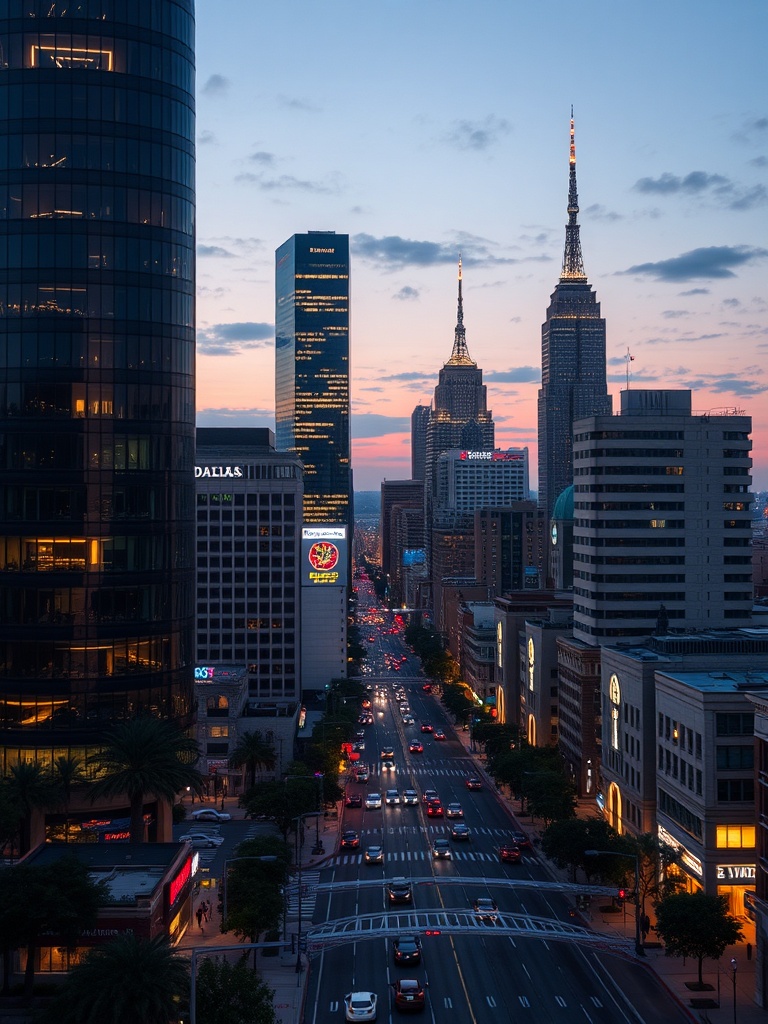
Downtown Dallas and surrounding neighborhoods are experiencing renewed investment. Mixed-use developments, adaptive reuse of older commercial buildings, and new residential projects are increasing downtown’s 24/7 appeal. Neighborhoods such as Deep Ellum, Bishop Arts, Oak Cliff, and Trinity Groves continue to be creative and entertainment anchors, with restaurants, galleries, and nightlife attracting both locals and visitors. This cultural vitality supports a growing hospitality sector while also driving interest from office tenants seeking urban amenities.
Housing affordability is a persistent conversation in Dallas news coverage.
The city has been exploring zoning and density changes intended to expand choices beyond single-family homes, including duplexes, small multifamily buildings, and accessory dwelling units. These policy discussions are about more than supply — they aim to balance neighborhood character with the need to keep housing attainable as demand grows. Developers, community groups, and city leaders are often in debate about the pace and scale of new construction and where it should be concentrated.
Economic growth in Dallas is broad-based. The metro area’s central location, major airport connectivity, and business-friendly climate keep it attractive for corporate headquarters, logistics, financial services, and an increasingly visible tech scene. That economic diversity helps cushion the region against industry-specific downturns and supports job creation across skill levels.
Workforce development programs and partnerships between employers and educational institutions are trending as priorities to ensure local talent pipelines remain robust.
Public space and environmental planning are also part of the narrative. Large-scale riverfront and park initiatives are promoting access to green space, improving flood control, and creating new recreation corridors that tie neighborhoods together. These projects are often designed to complement economic development while prioritizing resilience and community amenities.
What to watch in local coverage:
– Transit project timelines and budget updates, especially for light rail and regional rail expansions
– Downtown and neighborhood redevelopment deals and major commercial leases
– City policy shifts around zoning, density, and affordable housing incentives
– New corporate relocations or expansions that affect job growth
– Major public-space or riverfront initiatives and community engagement outcomes
For residents and visitors, these trends mean more options for transit, dining, and cultural activities — plus continued debate over how growth should be managed. Keeping an eye on city council decisions, planning commission meetings, and local reporting will provide the best window into how Dallas will balance investment with livability as it evolves.