Dallas Riverfront Revival: Your Guide to the Trinity River Corridor’s Parks, Trails & Eats

Dallas is reshaping how people live, work, and play along its waterways, turning a once-underused river corridor into one of the city’s most vibrant public spaces. The Trinity River corridor and adjoining neighborhoods now anchor a mix of outdoor recreation, creative commerce, and forward-looking development that appeals to residents, visitors, and investors alike.
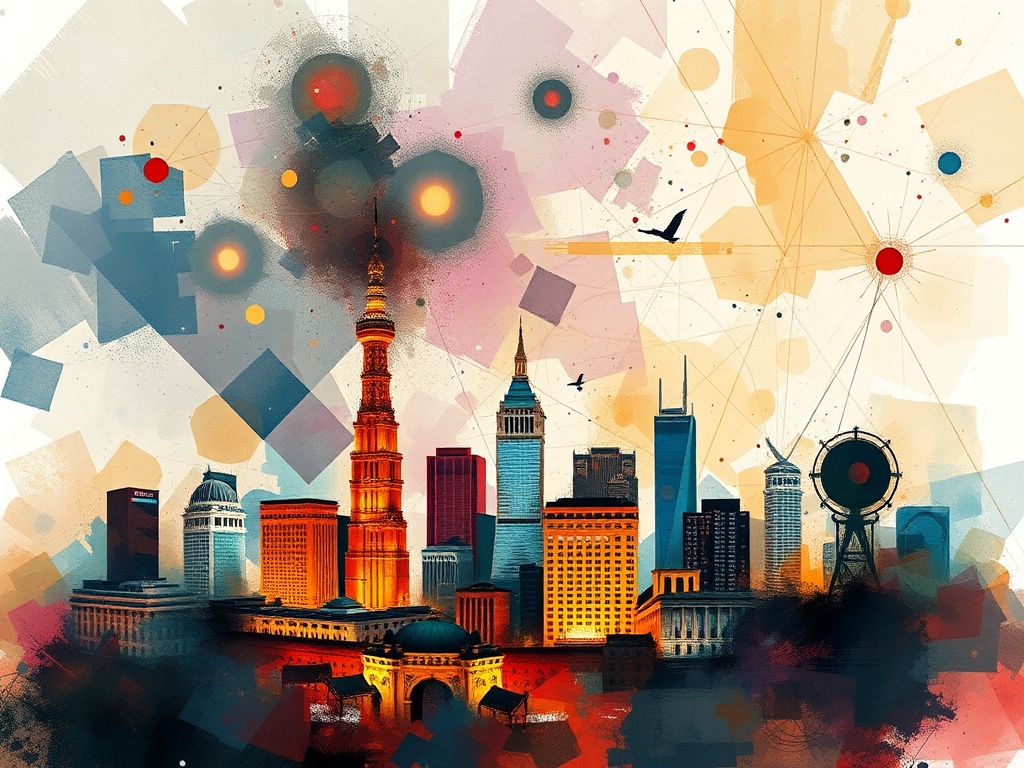
A new kind of riverfront
What makes Dallas’s riverfront stand out is the balance between urban energy and green space. Trails and multiuse paths thread together neighborhoods, connecting downtown to emerging districts.
Iconic structures and pedestrian bridges create memorable skyline views while making the river corridor genuinely walkable.
The result is a continuous public realm that encourages active transit—walking, running, and cycling—rather than just driving.
Recreation and outdoor life
Outdoor amenities around the river draw people year-round. Paddling, kayaking, and guided river tours offer a water-level perspective of the city, while extensive trail networks invite casual and serious cyclists.
Nearby lakes and parks provide additional options for picnics, birdwatching, and community gatherings. These green assets not only improve quality of life but also support public health and local tourism.
Neighborhoods and creative hubs
Adjacent neighborhoods have seen steady momentum. Riverside restaurants, coffee shops, galleries, and creative workspace clusters make it easy to spend a whole day exploring.
Food halls and markets add culinary diversity, with everything from elevated Southern comfort food to global flavors. Smaller commercial districts and independent retailers are thriving as people look for unique experiences rather than cookie-cutter chains.
Economic and environmental planning
Development along the river is paired with environmental restoration and flood resilience projects. Designers and planners are prioritizing native plantings, wetlands, and stormwater management to reduce urban runoff and protect habitat. At the same time, mixed-use developments are bringing housing, retail, and office space closer to parks and transit, promoting a more compact, sustainable urban form.
Getting around and what to expect
Public transit and micromobility options make the riverfront more accessible. Light rail and transit connections link major employment centers and neighborhoods, while bike-share and scooters help cover shorter trips. Parking can be limited during big events, so consider transit or bike options when planning a visit.
Tips for visitors
– Start at a major landmark to orient yourself, then follow the multiuse trails to discover nearby parks and dining spots.
– Pack comfortable shoes and a light daypack—some of the best experiences are uncovered on foot.
– Check local event calendars for outdoor concerts, markets, and community fitness classes that often take place along the riverfront.
– Support local businesses by choosing independently owned restaurants, breweries, and shops.
Why it matters
Transforming the riverfront is about more than aesthetics; it’s about resilience, equity, and economic opportunity. Accessible public spaces create room for community activity, spur neighborhood investment, and provide critical green infrastructure that benefits everyone. For residents and visitors looking to experience Dallas beyond its downtown towers and stadiums, the river corridor offers a lively, human-centered slice of the city.
Explore a stretch of the riverfront on foot or by bike to see how these public spaces are shaping daily life—then grab a meal at a nearby restaurant and join the ongoing conversation about what urban renewal should feel like.