Dallas’ Urban Transformation: Transit, Housing, and Neighborhood Revitalization Driving Sustainable Growth

Dallas is evolving into a model of modern urban growth, mixing business expansion, transit upgrades, and neighborhood revitalization in ways that are drawing attention across the region. Readers following Dallas news will find the city’s trajectory offers useful lessons for growing metros balancing economic opportunity with quality of life.
A business-friendly environment continues to attract corporations and startups, creating a steady demand for office space, tech talent, and supporting services. That demand is prompting adaptive reuse of older buildings and targeted new construction near transit corridors, which helps reduce commute times and supports a more walkable downtown.
Developers are increasingly focused on mixed-use projects that combine housing, retail, and green space to create 24/7 neighborhoods rather than 9-to-5 districts.
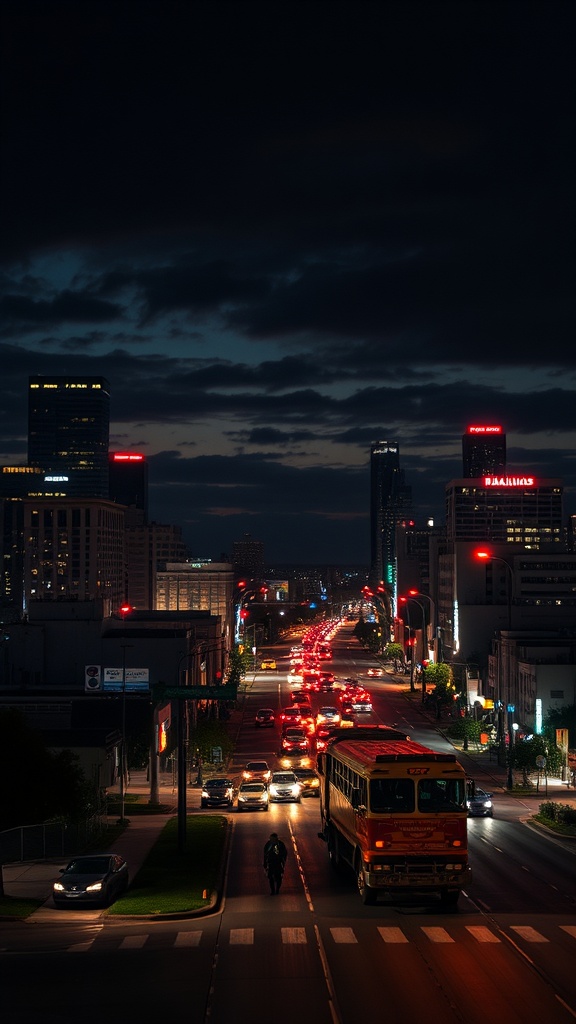
Transit and mobility are central to Dallas’s urban story. Investments in rail expansion, improved bus service, and first-/last-mile connections are shaping commuting patterns. Expanding transit options supports denser development near stations and encourages alternatives to single-occupancy driving. Bike lanes, improved pedestrian paths, and scooter-sharing programs are also helping connect neighborhoods and make short trips easier without a car.
Public spaces are getting renewed attention. Improvements to riverfronts, parks, and plazas are not just aesthetic upgrades — they are strategic amenities that boost property values, encourage tourism, and provide resilience benefits.
River and watershed projects that integrate flood mitigation with recreation are particularly valuable, offering both safety and leisure. Urban greening projects, such as expanded tree canopy and native plant landscaping, temper urban heat islands and enhance stormwater absorption.
Housing remains a top concern for residents and policymakers.
Rising rents and limited inventory near job centers have pushed housing affordability into the headlines. Solutions being explored include more flexible zoning to allow gentle density (duplexes, triplexes, accessory dwelling units), incentives for affordable housing in new developments, and preservation programs for existing affordable units. Increasing supply near transit — often called “transit-oriented development” — can be part of a strategy to lower transportation costs and reduce the time people spend commuting.
Cultural institutions and the food scene continue to be a magnet for visitors and new residents. Museums, performance venues, and a thriving culinary landscape add to the city’s competitive edge, attracting talent who value lifestyle as much as opportunity. Neighborhood-level revitalization that preserves local character while adding thoughtful amenities tends to get the best reaction from longtime residents and newcomers alike.
Sustainability and resilience are now woven into many projects.
Energy-efficient building standards, water-wise landscaping, and smarter stormwater infrastructure are becoming standard considerations rather than optional add-ons. These measures help manage long-term costs and stabilize neighborhoods against extreme weather events.
What to watch next in Dallas news: how public-private partnerships deliver on major infrastructure promises, whether zoning reforms produce new housing options near transit, and how cultural and recreational investments shape the city’s identity.
For residents and investors alike, Dallas is an example of how focused planning, diverse development strategies, and community engagement can create a more connected, resilient, and livable city.