Downtown Dallas Reimagined: Office-to-Residential Conversions, Transit Upgrades, and New Public Spaces

Dallas is undergoing a visible transformation as planners, developers, and community leaders push to reimagine the city’s core.
What started as a focus on corporate towers and single-use districts is shifting toward mixed-use neighborhoods, office-to-residential conversions, and public-space investments that aim to make downtown more livable, walkable, and resilient.
Office buildings are being repurposed at a faster clip, responding to changing work patterns and rising demand for central-city housing. Historic high-rises and underused midcentury towers are finding new life as apartments, condos, and boutique hotels. These conversions help diversify housing options, preserve architectural character, and activate street-level retail. For residents, that means more housing choices close to entertainment, dining, and cultural institutions.
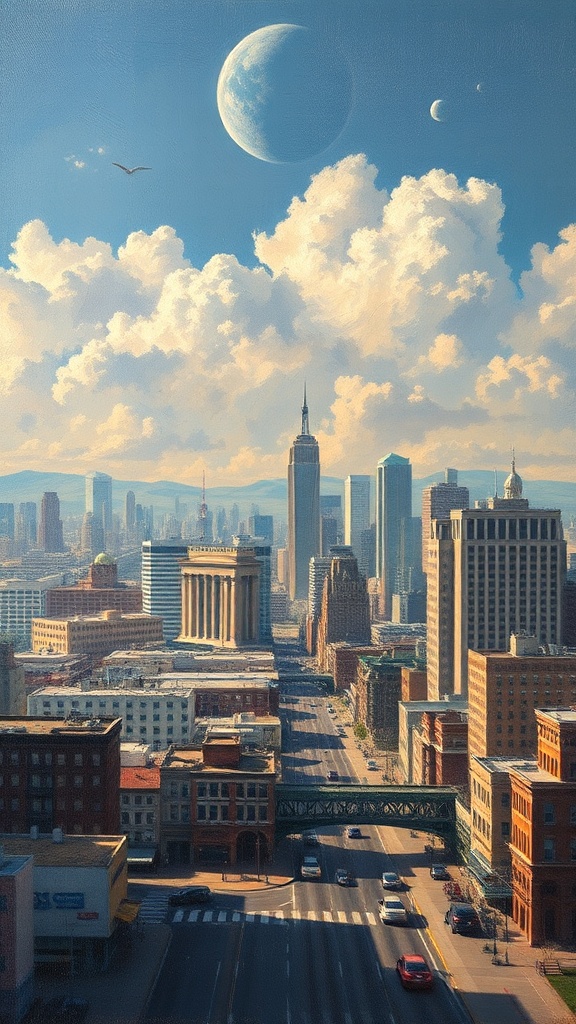
Public-space projects are central to the downtown revival. The Trinity River corridor remains a focal point for parks, trails, and flood-plain improvements that connect neighborhoods and expand recreational options. New plazas, pocket parks, and protected bike lanes are making it easier to get around without a car, while programming — from outdoor concerts to farmers markets — is bringing steady foot traffic to streets that once went quiet after business hours.
Transit plays a pivotal role in the city’s future. Investment in light rail, bus service upgrades, and first/last-mile solutions aims to knit the broader Dallas-Fort Worth region together and reduce commute pressures.
Transit-oriented development is encouraging higher-density housing and retail near major stations, creating more choices for people who want to live with transit access rather than depend solely on driving.
Affordability remains a top concern. While new developments create opportunities, they can also accelerate displacement if not paired with strong policy tools. Local leaders and community organizations are working to preserve affordable units, incentivize inclusionary housing, and explore land trusts and other community-led approaches. Residents who want to support equitable growth can follow city planning meetings, engage with neighborhood associations, and advocate for policies that balance development with affordability.
Retail and hospitality are adapting too. As more people live downtown, small businesses are tailoring offerings to serve local residents as well as visitors. Expect more neighborhood cafés, service-oriented shops, and locally owned eateries alongside larger entertainment venues. This mix helps create a 24/7 urban environment where streets feel safer and more vibrant at all hours.
Civic engagement remains critical to shaping Dallas’s trajectory. City hall decisions on zoning, incentives, and public investments determine whether redevelopment benefits a broad cross-section of residents.
Community input can influence design choices, park programming, and the prioritization of affordable housing. Staying informed and participating in public comment periods gives residents a meaningful voice in how their neighborhoods evolve.
How to keep up with Dallas news and developments:
– Subscribe to local news outlets and neighborhood newsletters for project updates and meeting notices.
– Attend planning commission and city council sessions, or watch them online.
– Follow neighborhood organizations and local advocacy groups on social platforms.
– Visit new public spaces and businesses to support community-driven growth.
Dallas’s downtown is becoming more than a place to work — it’s transforming into a place to live, play, and connect. The pace of change brings both opportunity and challenges, and the city’s future will be shaped by the choices residents and leaders make today.