Dallas Cowboys Breakdown: Playmakers, Defensive Identity & Roster Strategy

The Dallas Cowboys remain one of the most watched and debated franchises in football, blending high expectations, star power, and a fanbase that stretches beyond Texas. For anyone following the team, several themes continue to shape how the Cowboys are built, how they play, and how they connect with fans.
Offense built around playmakers
The offense centers on a dynamic skill group that can change a game with a single play.
A top-tier wide receiver serves as the primary playmaker, capable of beating man coverage, creating yards after catch, and drawing attention that opens opportunities for teammates. The quarterback, a proven leader with a strong arm and mobility, is tasked with maximizing that talent while managing pressure and protecting the ball.
The running game and offensive line remain critical areas where consistency can elevate the entire unit—when the line controls the line of scrimmage, play-action and sustained drives become much easier to execute.
Defensive identity and impact players
On defense, speed and versatility are prized. A disruptive edge rusher who can win one-on-one matchups and a sideline-to-sideline linebacker who creates chaos in both run and pass game form the backbone of the defensive plan. Young talent has emerged as a core component, and when scheme and personnel align, the Cowboys’ defense can flip momentum quickly with sacks, turnovers, and explosive plays.
Front office balance: cap, draft, and veteran additions
Roster construction for the Cowboys has been a balancing act between signing veteran talent and investing in the draft. Salary cap management is always front and center—free-agent splashes can provide immediate impact, but smart drafting and player development protect long-term competitiveness. The front office’s decisions on contract structure and draft priorities often determine whether the team remains a Super Bowl contender or chases elite teams in its division.
Coaching and adaptability
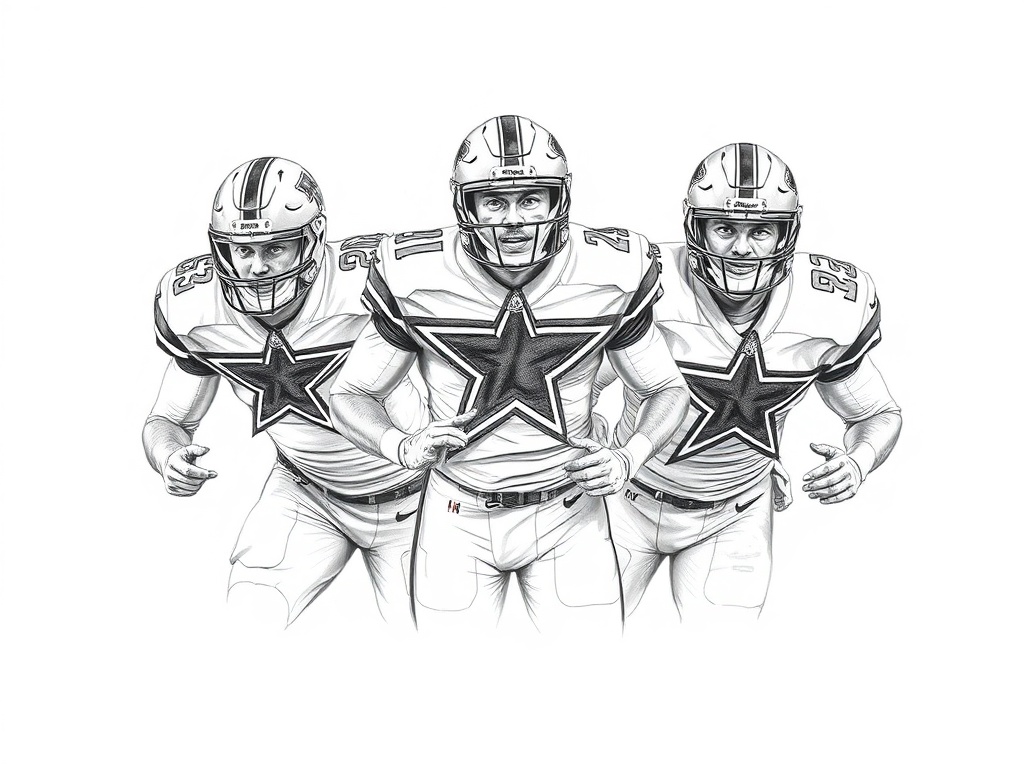
Coaching philosophy emphasizes flexibility. Game plans that adjust to opponent weaknesses—whether committing more to the run, leaning on quick passing to neutralize pressure, or rotating defensive packages to force mismatches—tend to fare better. Communication between coaches and players, especially in high-pressure moments, separates consistent teams from inconsistent ones.
Fan culture and AT&T Stadium experience
Dallas Cowboys game days are a spectacle. AT&T Stadium offers a combination of massive capacity, high-end entertainment, and a global merchandising machine. Tailgating culture, star treatment, and the “America’s Team” brand keep national interest high. For fans who can’t attend, broadcast and digital engagement remain robust, with the team leveraging social platforms to amplify highlights and exclusive content.
What to watch moving forward
Key indicators to watch include offensive line health and play, the quarterback’s decision-making under pressure, continued production from top skill players, and the defense’s ability to generate takeaways. How the front office balances immediate upgrades with long-term roster health will influence the team’s competitiveness.
For supporters and observers alike, the Cowboys offer a compelling mix of star talent, strategic challenges, and cultural relevance. With thoughtful roster moves, tactical flexibility, and sustained player development, the franchise has the components to make deep playoff pushes and maintain its status as one of the sport’s most polarizing and popular teams.