Balancing Growth in Dallas: Transit Expansion, Housing Affordability, and Neighborhood Revitalization

Dallas is transforming quickly, and local news is full of stories about how growth is reshaping neighborhoods, transportation, and the housing market. With sustained population and job gains, community leaders and residents are working to balance economic opportunity with livability—focusing on transit expansion, downtown revitalization, and housing affordability.
Transit and mobility: a city linking neighborhoods
Public transit investment is a central piece of Dallas’ growth strategy. Expanded commuter rail and bus service aim to connect more suburbs to the urban core, reduce congestion, and support walkable, transit-oriented development. Projects that link major employment centers, airports, and entertainment districts are drawing attention from commuters and developers alike. As the city expands service and upgrades stations, expect more mixed-use developments within easy reach of transit hubs, and rising interest from people who want to live near reliable train and bus lines.
Housing affordability and urban change
Housing affordability remains one of the most discussed issues in Dallas news. Rising rents and home prices in many neighborhoods have sparked debates about gentrification, displacement, and how to preserve community character. City leaders, non-profits, and developers are increasingly exploring tools like inclusionary zoning incentives, public-private partnerships, and preservation of naturally affordable housing to increase the supply of lower-cost units.
Neighborhoods that were once overlooked are seeing new investment, which can bring improved amenities and safety but also pressures longtime residents. Successful approaches combine new development with targeted protections—rental assistance programs, tenant right-to-return policies for redevelopment projects, and funding for community land trusts that keep housing permanently affordable.
Downtown and neighborhood revitalization
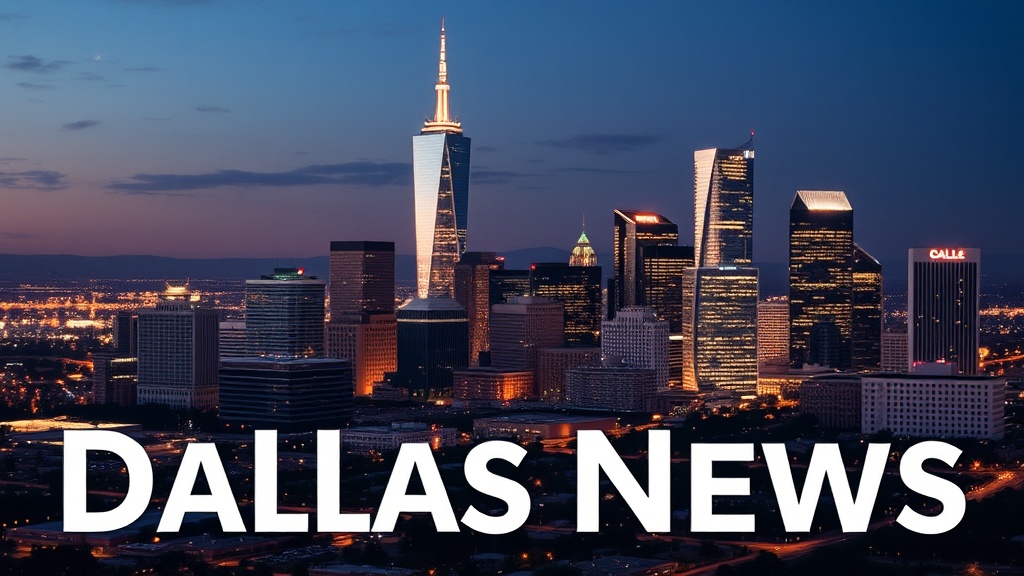
Downtown Dallas continues to reinvent itself with adaptive reuse of older office buildings into apartments, expanded cultural offerings, and new hospitality projects that draw visitors and residents.
Neighborhood corridors—like arts districts and historic areas—are benefiting from façade improvements, small business grants, and pedestrian-focused streetscape upgrades. These efforts help create vibrant, 24/7 neighborhoods where shops, restaurants, and public spaces anchor daily life.
Economic development: attracting businesses without losing local character
Dallas remains attractive to companies seeking to tap a large metro workforce and central location.
Incentive packages and infrastructure investments help recruit employers, but community advocates increasingly call for deals that prioritize local hiring, workforce training, and support for small businesses. Thoughtful economic development balances corporate growth with policies that ensure local residents benefit from new jobs and career pathways.
Community engagement and equity
Community input is shaping many planning decisions.
City council discussions, neighborhood association meetings, and public workshops offer opportunities for residents to influence zoning changes, transportation priorities, and affordable housing strategies. Equity-focused planning—targeting investment to underserved neighborhoods and providing services that reduce displacement risk—is a recurring theme in local reporting.
How residents can stay involved
– Follow local coverage and city announcements to track projects and public hearings.
– Attend neighborhood association and city council meetings to share priorities.
– Support or learn about community land trusts and nonprofit developers working to preserve affordable housing.
– Engage with transit surveys and outreach to influence route planning and station design.
Dallas’ trajectory depends on balancing growth with inclusive policies. As transit improvements, downtown revitalization, and housing initiatives evolve, the choices made by leaders and residents will shape how livable and equitable the city remains for all communities.