How Downtown Dallas’ Office-to-Residential Conversions and Transit Upgrades Are Reshaping Neighborhoods and Real Estate

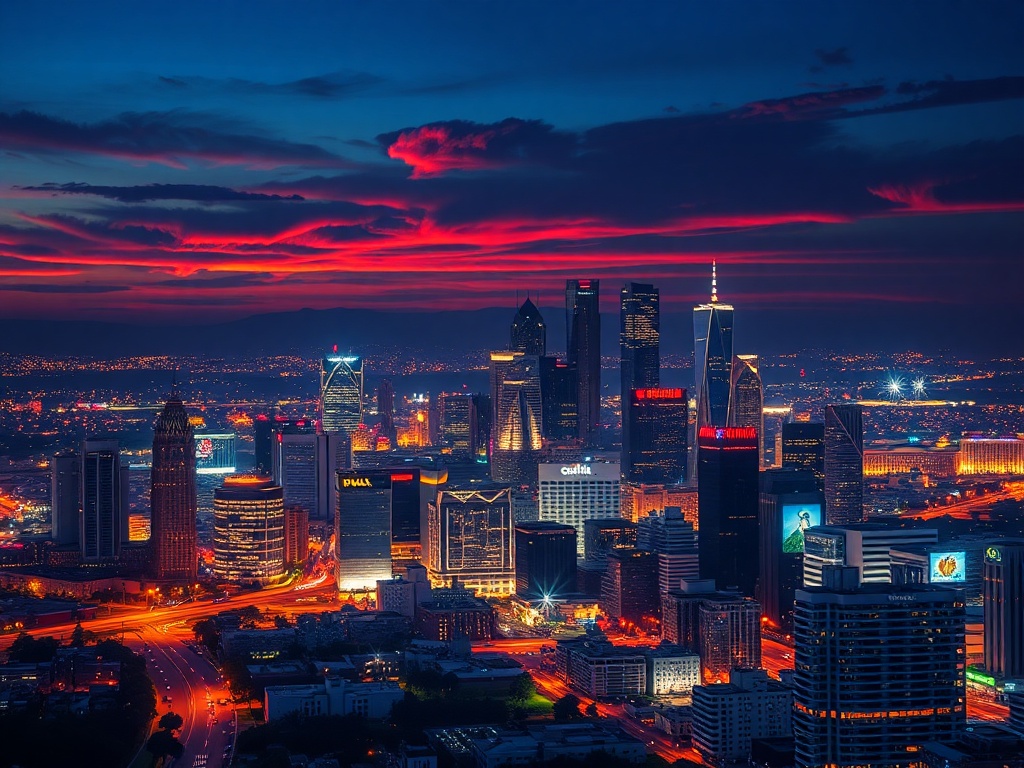
Dallas is in the middle of a visible urban reset — a blend of office-to-residential conversions, public-space upgrades, and neighborhood reinvention that’s reshaping how people live, work, and play in the city. That transformation is driven by changing workplace habits, continued corporate growth, and sustained interest in walkable urban neighborhoods.
Why downtown is changing
Many downtown office buildings are finding new life as apartments, condos, boutique hotels, or creative work-and-retail hubs. This shift responds to a demand for centrally located housing and a desire for mixed-use blocks that combine living, dining, and entertainment within short walks.
City incentives and adaptive-reuse policies are encouraging developers to convert aging office stock rather than build from scratch, reducing vacancy while boosting urban vibrancy.
Neighborhoods to watch
– Uptown and the Arts District continue to draw professionals seeking nightlife, restaurants, and park access.
– Deep Ellum and lower Greenville remain cultural anchors with a strong live-music and independent-restaurant scene that attracts both residents and visitors.
– Bishop Arts and Oak Cliff are popular for boutique retail, creative studio spaces, and an eclectic street-level experience.
– Areas along the Trinity River corridor are benefiting from trail improvements and park upgrades that enhance outdoor lifestyle options and property values.
Transportation and access
Transit improvements are central to long-term growth. Light rail and expanded bus services connect neighborhoods to downtown job centers and entertainment districts, while major thoroughfares and new bike and pedestrian infrastructure make short commutes more practical. For residents and investors, proximity to DART stations and trail networks increasingly factors into neighborhood desirability.
Economic catalysts
Corporate relocations and expansions continue to feed the labor market, especially in tech, finance, and health care sectors.
Hospitals and research campuses anchor long-term job growth, while local universities supply talent and create demand for housing close to campus.
Those economic drivers keep rental demand strong even as supply increases through conversions.
What buyers and renters should consider
– Lifestyle fit: Decide if you want the energy of a dense urban core or the quieter feel of a nearby neighborhood with quick transit access.
– Transit and commute options: Access to light rail, major corridors, and bike routes can reduce reliance on a car.
– Flood risk and insurance: Properties near the Trinity River have improved flood mitigation, but it’s still important to check floodplain maps and insurance requirements.
– Building condition and adaptive reuse: Converted office buildings can offer large windows, high ceilings, and modern finishes, but check for building systems upgrades and warranty coverage.
– Local policies and incentives: Tax abatements and historic-preservation incentives may affect renovation costs and timelines.
What investors and community planners should watch
– Zoning changes and land-use policy discussions that open up more flexible residential options in formerly commercial zones.
– Public-private partnerships that deliver parks, trail extensions, and community anchors which increase neighborhood appeal.
– Retail and street-level activation strategies that help sustain local businesses as population density rises.
Whether you’re moving to Dallas, investing in property, or just watching the city evolve, the current pattern reflects a broader shift toward mixed-use, transit-friendly urban living.
Tracking city planning meetings, development permits, and transit expansion plans is a practical way to anticipate neighborhood changes and make informed real estate choices.